
When The Roster Falls Apart At Midnight
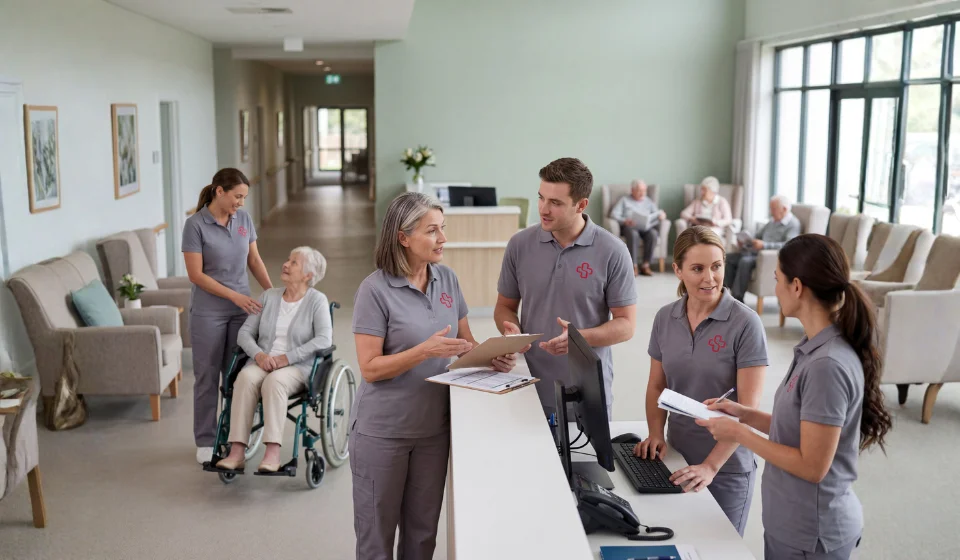
How NurseLink Healthcare Delivered A Full Workforce Solution For A Large Aged Care Facility In Victoria Introduction Running a large aged care facility is an exercise in managing the unmanageable. Resident care cannot pause. Clinical standards cannot slip. Rosters must be filled regardless of what the morning brings – a sudden sick call at 11pm, a wave of staff illness across a whole ward, a resignation that leaves a unit short with forty-eight hours’ notice. The operational pressure is relentless, and the consequences of getting it wrong are not administrative. They are clinical. For facility managers and Directors of Nursing, the staffing question is never truly resolved. It is simply managed, day by day, shift by shift, with the persistent knowledge that the next gap could open at any moment. When the agency a facility relies on to fill those gaps is slow, unreliable or unable to supply nurses with the right clinical competencies, the pressure falls back on permanent staff who are already stretched – driving burnout, increasing risk and ultimately making the staffing problem worse. What large aged care facilities need from a nursing agency is not a list of available names. It is a genuine workforce partner: one with the depth of clinical staff to cover any shift, the systems to respond at any hour and the judgement to send the right person for the clinical environment they are walking into. At NurseLink Healthcare, that is precisely what we are built to provide. This case study documents how our team became the primary workforce solution for a large aged care facility in Victoria, transforming a reactive, gap-filling relationship into a stable, proactive staffing partnership that measurably improved the facility’s ability to deliver safe, consistent care. The name and identifying details of the facility have been kept confidential throughout this case study. To protect the privacy of the client and his family, his name and all identifying details have been kept confidential throughout this case study. The Facility’s Background & Its Challenges The facility is a large, privately operated aged care provider in metropolitan Victoria, accommodating more than one hundred and fifty residents across several distinct care wings including high care, dementia-specific and palliative units. It operates around the clock, seven days a week, with a permanent clinical workforce supplemented by agency staff across all shifts. In the twelve months before engaging NurseLink Healthcare as its primary staffing partner, the facility had been managing a compounding workforce crisis. Permanent staff turnover had increased following a difficult period during which two senior nurses had resigned within the same month, creating a leadership vacuum on two units that took considerable time to stabilise. Agency usage had risen sharply as a result, but the provider the facility had been relying on had struggled to keep pace with the volume and, more critically, with the after-hours demand. The Director of Nursing described the situation plainly during the initial engagement conversation with NurseLink Healthcare. The agency they had been using was adequate during business hours. Outside of those hours – the late-night sick calls, the weekend emergencies, the public holiday gaps that opened with no warning – the response was slow, inconsistent and on several occasions had resulted in shifts that were not filled at all. Permanent staff had been called back on their days off more times than was acceptable, and the goodwill that practice erodes was running visibly low. Beyond the after-hours problem, the facility had concerns about clinical consistency. Agency nurses arriving for a shift in a dementia-specific unit without adequate orientation to the environment, the residents or the clinical protocols created risk. The facility needed nurses who were not only qualified but genuinely prepared for the setting they were entering. The facility’s operations manager had identified NurseLink Healthcare through a peer referral from a Director of Nursing at another Victorian facility. An initial meeting was arranged, and what followed was not a sales conversation but a structured assessment of the facility’s specific needs, shift patterns, clinical environments and after-hours exposure. Understanding What The Facility Actually Needed NurseLink Healthcare’s approach to a facility partnership of this scale begins with a thorough operational assessment before any staffing is placed. The facility’s shift structure, peak demand periods, units with the most complex clinical needs and historical patterns of gap openings were all reviewed in detail. Several things became clear from that process. The after-hours exposure was the most urgent and highest-risk element of the challenge. Gaps opening between 10pm and 6am on weekends and public holidays had been the most consistently problematic, and the consequences of unfilled shifts during those periods were the most clinically significant given reduced management presence. Any solution that did not directly and reliably address this window was not a solution. The dementia and high care units required nurses with specific competencies and, ideally, familiarity with the environment built over repeated placements rather than single visits. The facility had experienced the disruption caused by agency nurses who were clinically competent in general terms but underprepared for the specific demands of a dementia-specific care environment, and they were not willing to continue accepting that. The facility also needed a communication structure that matched its operational reality. Shift requests sent at midnight needed a response within minutes, not hours. The contact point needed to be a person, not a voicemail system. And when a nurse was confirmed for a shift, that confirmation needed to mean something – not be subject to a last-minute withdrawal that left the facility in a worse position than when the request was made. These requirements shaped everything about how NurseLink Healthcare structured the partnership that followed. The NurseLink Healthcare Solution Delivered A Dedicated After-Hours Response Capability The centrepiece of the NurseLink Healthcare solution was a dedicated after-hours response function built specifically around this facility’s exposure. A direct escalation line was established with guaranteed response times for shift requests received outside business hours, staffed by NurseLink Healthcare personnel with the authority and the roster depth
One Sick Call, One Struggling Ward
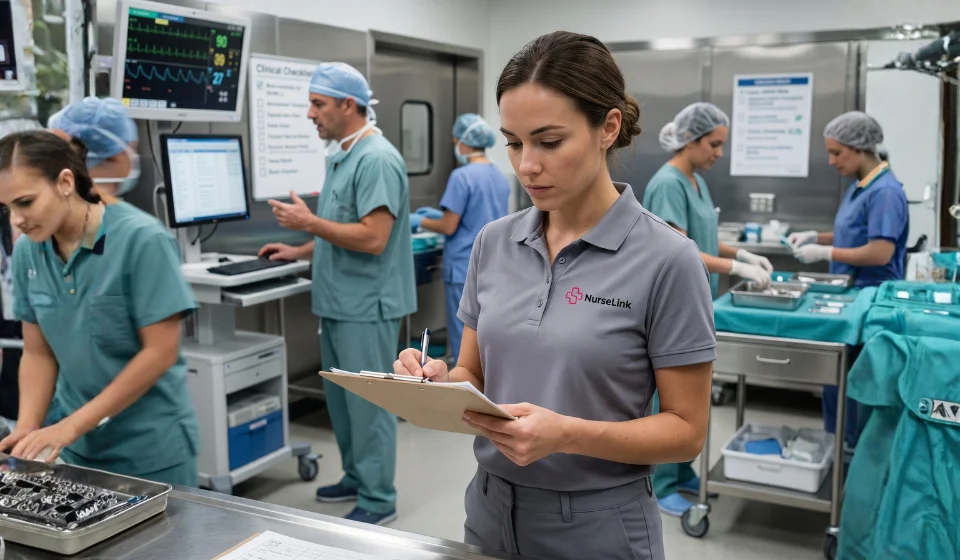
How NurseLink Healthcare Kept A Busy Surgical Unit Running Through A Staffing Crisis A Real-World Example Of Workforce Solutions Done Right Introduction Staffing shortfalls in healthcare settings do not announce themselves in advance. They happen on a Tuesday morning when two nurses call in sick, or on a public holiday weekend when a ward is running at reduced capacity and patient acuity is high. In those moments, the difference between a safe shift and a dangerous one often comes down to how quickly a facility can source qualified, experienced staff who can walk in and contribute from the first hour. For most healthcare facilities, the answer to that problem is an agency relationship. But not all agency relationships are equal. A phone call that goes unanswered at 5am, a staff member who arrives unfamiliar with the ward environment, or a replacement who lacks the clinical experience the situation demands can create as many problems as they solve. At NurseLink Healthcare, we built our workforce solutions service around the reality of how staffing crises actually unfold, not how they look on a planning document. This case study looks at how we supported a busy surgical unit in Victoria through a period of significant and sustained staffing pressure, and what made the difference between the unit coping and the unit struggling. To protect the privacy of the facility and its staff, all identifying details have been kept confidential throughout this case study. The Facility’s Background & Challenges The facility in this case is a private hospital located in metropolitan Victoria, operating a mid-sized surgical ward that handles a high volume of post-operative patients across a range of specialties. The ward runs across three shifts, seven days a week, and patient dependency levels mean that safe staffing ratios are not optional. They are a clinical and regulatory requirement. The challenge began during a particularly demanding stretch that coincided with a seasonal spike in elective surgeries, several long-term staff on approved leave and an unexpected cluster of sick leave notifications that hit within the same two-week period. What started as a manageable shortfall quickly became something the facility’s internal rostering team could not absorb. The ward manager was covering gaps personally. Permanent staff were being asked to extend shifts or take on additional days, which created fatigue and growing resentment within the team. Patient care was not yet compromised, but the margin for error was shrinking daily. The facility had a relationship with another agency at the time, but the response had been inconsistent. On some occasions, suitable staff arrived promptly. On others, the positions went unfilled until the morning of the shift, leaving the ward manager scrambling. On two occasions, agency staff arrived without the specific post-operative care experience the ward required, creating supervision burdens for already stretched permanent staff. The nursing unit manager raised the issue with the hospital’s operations team, and a decision was made to contact NurseLink Healthcare to discuss whether a more reliable arrangement could be put in place. Understanding What The Facility Actually Needed When NurseLink Healthcare was first engaged, we did not simply ask for a list of vacant shifts and start filling them. Our first step was to spend time properly understanding the ward’s environment, its patient population and the specific clinical expectations that any agency staff would need to meet. We met with the nursing unit manager and the facility’s workforce coordinator to map out the situation in full. This included understanding the ward’s typical patient profile and dependency levels, the specific clinical skills and experience required for post-operative nursing in that environment, the ward’s orientation and induction expectations for new staff, the shift structure and any preferences around consistency of staff across shifts, and the communication channels that worked best for the team when urgent needs arose. This conversation revealed something important. The facility’s previous agency had been sending staff who were qualified nurses but who lacked specific experience in surgical and post-operative settings. On a general ward, this might not have been an issue. On a high-acuity surgical unit, it meant that agency nurses needed hand-holding that permanent staff simply did not have the bandwidth to provide during a short-staffed shift. NurseLink Healthcare made a clear commitment at this stage. Every nurse we placed on this ward would have verifiable post-operative or surgical nursing experience. We would not fill a shift with a technically qualified nurse who lacked the specific background the role demanded, regardless of how urgent the need was. If we could not find the right person, we would say so early enough for the facility to make alternative arrangements, rather than sending someone unsuitable and hoping for the best. We also agreed on a direct communication line between the ward manager and a dedicated NurseLink Healthcare coordinator, available around the clock. No call centre queues, no emails into a general inbox. A direct number that was answered. The NurseLink Healthcare Solution Delivered Rapid Shift Coverage With The Right Experience Within the first week of the arrangement, NurseLink Healthcare filled eleven vacant shifts across the ward. Each staff member placed had been specifically matched to the ward’s requirements, with post-operative or surgical nursing experience confirmed before deployment. The ward manager reported that the standard of agency staff during this period was noticeably higher than what the facility had previously experienced. A Consistent Pool Of Familiar Faces One of the most disruptive aspects of relying on agency staff is the constant rotation of unfamiliar people through a ward. Every new face requires some level of orientation, takes time to understand the ward’s routines and systems, and may not know where things are kept or how the team communicates. We addressed this by building a dedicated pool of nurses who were familiar with this specific facility and rotated them through the available shifts. Within a fortnight, the ward manager noted that several of the NurseLink nurses were being requested by name by permanent staff who had found them easy to work alongside.
When The Ambulance Left, The Real Work Started.

How NurseLink Healthcare Provided Emergency On-Site Nursing Support To A Corporate Facility Following A Critical Workplace Incident A Real-World Example Of Clinical Workforce Deployment Outside A Traditional Healthcare Setting Introduction Nursing agencies are most commonly associated with hospitals, aged care facilities and homecare. What is less often discussed is the growing demand for skilled nursing support in settings that have nothing to do with traditional healthcare, and the very real consequences when that support is not available at the moment it is needed most. Corporate and industrial workplaces face health emergencies too. A serious incident on a worksite does not resolve itself once the ambulance leaves. The people who witnessed it, the colleagues who responded and the workers directly involved all carry the aftermath into the days that follow. Managing that safely requires clinical expertise that most organisations simply do not have in-house. At NurseLink Healthcare, we deploy skilled nursing staff into environments well outside the conventional healthcare setting. This case study documents how we responded to an urgent request from a large corporate facility in Victoria following a serious workplace incident, providing on-site nursing support that addressed both the immediate clinical needs and the broader wellbeing of a workforce in shock. To protect the privacy of the organisation and individuals involved, all identifying details have been kept confidential. To protect the privacy of the organisation, its staff and the individuals directly involved in the incident, all names, identifying details and location specifics have been kept confidential throughout this case study. The Organisation’s Background & The Incident The organisation is a large-scale manufacturing and logistics facility in regional Victoria, employing several hundred workers across multiple shifts. The facility had existing first aid infrastructure in place, including trained first aid officers and a basic on-site medical room. On a weekday morning during a regular production shift, a conveyor system in one of the facility’s main packaging areas malfunctioned without warning. A mechanical component failed under load, causing part of the machinery to give way suddenly. Two workers who were operating in close proximity were struck and sustained serious injuries. Emergency services were called immediately, and both workers were transported to hospital by ambulance. The affected section of the production floor was shut down and secured pending a formal WorkSafe investigation. Within the hour, it became clear that the impact extended well beyond those physically injured. The malfunction had been loud, sudden and visible to a large portion of the surrounding workforce. Dozens of colleagues had either witnessed the moment it happened or rushed to the scene in the immediate aftermath. The combination of the noise, the speed of the event and the visible distress of the injured workers left a significant number of people in a state of acute shock. Workers across the facility were visibly affected. Some were refusing to return to their work areas, unable to walk past the section of the floor where the incident had occurred. Others were presenting to the first aid room with symptoms the first aid officers were not equipped to manage, including trembling, shortness of breath, acute anxiety and in several cases what appeared to be early signs of psychological shock. The production environment, which had been running at full capacity just hours earlier, had come to a near standstill. The first aid officers were doing their best but were trained for physical injuries, not the complex health needs now presenting across the workforce. The HR team had no clinical capacity to support what was unfolding. The facility’s general manager contacted their WorkSafe insurer, who recommended they seek qualified nursing support immediately. NurseLink Healthcare received the call just after midday. Clinical staff were needed on site by early afternoon. Understanding What The Facility Actually Needed When the call came in, it was not entirely clear even to the facility what kind of nursing support they were asking for. Our team asked the right questions quickly. How many workers were directly involved and what were their injuries? How many others had witnessed the event? What was the current state of the broader workforce? What clinical resources were already on site? Was the employee assistance programme active? What was expected over the remainder of the shift and into the following days? From this, a clear picture emerged. The immediate need was for registered nurses who could assess and support workers presenting with stress-related symptoms, triage those needing further care, support the overwhelmed first aid officers, maintain a visible and reassuring clinical presence across the facility and document everything accurately given the WorkSafe investigation now under way. Beyond the day of the incident, the facility also needed a plan for the days that followed. Workers returning to a site where something serious had happened would need continued support. Some would manage the transition without difficulty. Others would not. NurseLink Healthcare committed to having two registered nurses on site within two hours and outlined a proposed support framework for the following week. The facility agreed and our team began mobilising immediately. The NurseLink Healthcare Solution Delivered Rapid On-Site Deployment Two experienced registered nurses arrived at the facility that afternoon within the committed timeframe. Both had occupational health and workplace wellbeing backgrounds, directly relevant to the environment they were walking into. They were briefed during transit, arrived with a clear understanding of the situation and reported directly to the HR manager and general manager on arrival. They oriented quickly to the on-site medical room and began receiving workers within the first thirty minutes. Clinical Assessment Across The Workforce Throughout the remainder of that first day, the NurseLink nurses worked through a significant volume of worker presentations. Each person who came forward was assessed individually, with notes taken and clinical judgements made about the appropriate level of support or referral. Several workers were identified as requiring same-day referral to their GP or a mental health professional, and the HR team was briefed with appropriate clinical context to support those referrals. For the majority, the support took the form
Reliable Nursing Support At Home
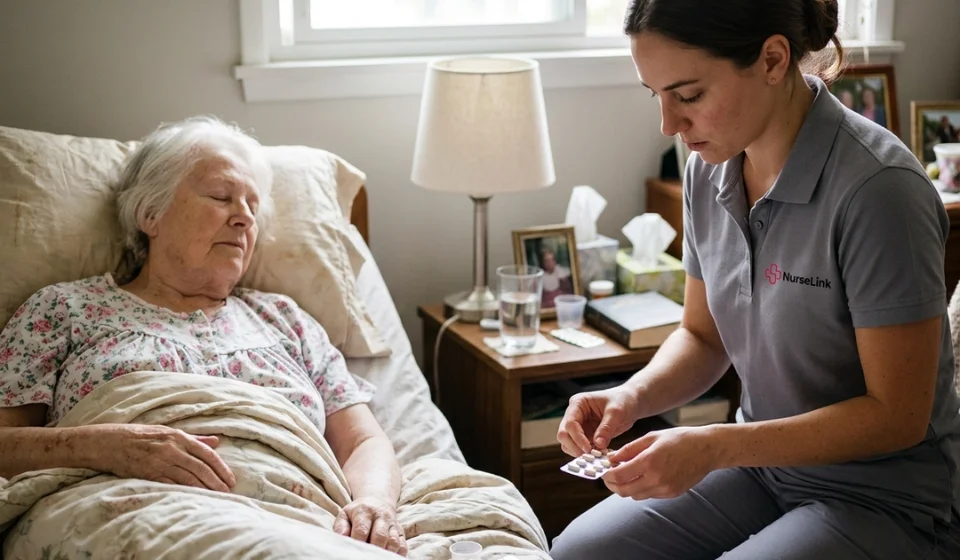
How Agency Nursing Services Improved Safety, Stability And Quality Of Life Introduction The transition from hospital to home represents a critical phase in the patient care journey. While discharge indicates that a patient is medically stable enough to leave an acute care setting, it does not necessarily mean that the need for clinical support has ended. In many cases, patients continue to require structured care, monitoring, and assistance to ensure a safe and effective recovery. Nursing agency services play an essential role in bridging this gap. By delivering skilled clinical care within the home environment, agency nurses extend the continuum of care beyond hospital walls. This model allows patients to recover in familiar surroundings while still receiving professional support tailored to their specific medical and personal needs. Without appropriate nursing support, patients may face a range of risks. These include medication mismanagement, delayed recognition of complications, reduced adherence to treatment plans, and increased likelihood of hospital readmission. For families, the responsibility of managing complex care without professional guidance can also lead to stress, uncertainty, and caregiver fatigue. This case study explores how structured nursing agency services supported a high-needs patient following hospital discharge. It demonstrates how a coordinated, patient-centred approach to in-home care can improve clinical outcomes, enhance safety, and support both physical and emotional recovery. Note: All names and identifying details have been changed to protect client privacy. The Client’s Background & Challenges The client was a 64-year-old individual residing in suburban Victoria who had recently been discharged from hospital after treatment for a severe infection that required surgical intervention and ongoing wound management. Although the acute phase of treatment had been successfully completed, the client’s recovery was still in a vulnerable stage. The surgical wound required regular dressing changes, close monitoring for signs of infection, and adherence to strict hygiene protocols. In addition, the client had been prescribed a complex medication regimen that needed to be followed accurately to support healing and prevent complications. Physically, the client experienced reduced mobility and general fatigue. Movements such as standing, walking, or bending caused discomfort, and there was an increased risk of falls due to weakness and instability. These limitations made it difficult to carry out daily activities independently. The home environment presented additional challenges. While generally safe, it had not been adapted to accommodate the client’s temporary mobility restrictions. Tasks such as accessing the bathroom, preparing meals, and maintaining personal hygiene required assistance. Family members were available and willing to help, but they lacked the clinical knowledge and training required for wound care and medication management. There was also concern about their ability to recognise early warning signs of complications such as infection, delayed healing, or adverse medication reactions. Emotionally, the client reported feelings of anxiety and uncertainty. The shift from a hospital environment, where care was readily available, to a home setting created a sense of vulnerability. The client expressed concerns about managing recovery independently and feared potential setbacks. Given these factors, the healthcare team recommended engaging a professional nursing agency to provide ongoing support and ensure a safe recovery process. Assessing The Right Care Plan The development of an effective care plan began with a comprehensive in-home assessment conducted by the nursing agency. This assessment was designed to evaluate the client’s clinical needs, functional abilities, and environmental factors. The assessment focused on several key areas: The current stage of recovery and overall medical condition. Wound characteristics, healing progress, and infection risk. Medication schedule, complexity, and potential side effects. Mobility limitations and fall risk. Home layout and accessibility. Emotional wellbeing and support systems. The assessment process also involved communication with the client’s treating doctor and hospital team to ensure alignment with the existing care plan. Based on these insights, a personalised and structured care plan was developed. The plan aimed to provide comprehensive support while encouraging gradual independence. Key components included: Scheduled nursing visits for wound care and clinical monitoring. Medication administration and adherence support. Assistance with mobility and safe movement within the home. Education for both the client and family members. Ongoing reassessment to adapt care as recovery progressed. Flexibility was a central element of the plan, allowing adjustments based on changes in the client’s condition and evolving care needs. The Nursing Solution Delivered Skilled Clinical Care Qualified nurses conducted regular visits to manage wound care using evidence-based practices. Dressings were changed under sterile conditions, and the wound was assessed for signs of infection, inflammation, or delayed healing. Detailed documentation was maintained to track progress and inform any necessary adjustments to the care plan. Medication Management The nursing team played a key role in ensuring medication adherence. This included organising medications, administering doses when required, and monitoring for potential side effects. Clear explanations were provided to help the client understand the purpose of each medication, promoting confidence and engagement in their own care. Monitoring And Early Intervention Routine health observations were conducted during each visit. Nurses monitored vital signs, pain levels, and overall condition, allowing for early identification of any changes. If concerns were identified, timely communication with the healthcare team enabled prompt intervention, preventing escalation of issues. Mobility And Functional Support Support was provided to assist the client with safe movement around the home. Nurses offered guidance on positioning, transferring, and using mobility aids effectively. This reduced the risk of falls and helped the client regain confidence in performing daily activities. Home Environment Optimisation Recommendations were made to improve safety within the home. This included minor adjustments such as rearranging furniture, improving accessibility, and reducing fall hazards. These changes contributed to a more supportive and recovery-focused environment. Emotional Support And Reassurance In addition to clinical care, nurses provided consistent emotional support. They took time to listen to the client’s concerns, answer questions, and offer reassurance. This human connection played a significant role in reducing anxiety and improving overall wellbeing. Outcomes & Impact Improved Clinical Stability The presence of skilled nursing care ensured that the client’s condition remained stable throughout the recovery period. Early detection of potential
Ensuring Continuity Of Care With Nursing Agency Support

Supporting Facilities During Critical Staffing Shortages Maintaining Quality Care With Nursing Agency Support Introduction Healthcare facilities rely heavily on consistent, skilled nursing staff to deliver safe and high-quality patient care. However, staffing shortages, unexpected absences and fluctuating patient demand can create significant challenges for aged care homes and healthcare providers. In such situations, nursing agencies play a crucial role in maintaining continuity of care. By providing qualified professionals on short notice, agencies help facilities manage workforce gaps without compromising patient safety or service quality. This case study explores how a leading aged care facility in Victoria partnered with a professional nursing agency to address ongoing staffing challenges. It highlights how structured workforce support, qualified professionals and responsive coordination helped ensure uninterrupted care delivery. The Facility’s Background & Staffing Challenges The client in this case was a mid-sized aged care facility located in metropolitan Victoria. The facility provided residential care for elderly individuals with varying levels of dependency, including residents with complex medical conditions and dementia-related care needs. Like many aged care providers, the facility faced increasing pressure due to workforce shortages. Several factors contributed to this challenge: Unplanned staff absences due to illness and burnout. Difficulty recruiting permanent nursing staff. Increased demand for care services. Regulatory requirements for staffing ratios. These challenges began to affect daily operations. Existing staff members were required to work additional shifts, leading to fatigue and reduced morale. At times, the facility struggled to fill critical shifts, particularly during weekends and night hours. This created concerns around maintaining appropriate staff-to-resident ratios and ensuring safe care delivery. Management also faced administrative pressure in coordinating last-minute replacements. Traditional recruitment processes were too slow to address urgent staffing gaps. Recognising the need for a flexible and reliable solution, the facility decided to engage a professional nursing agency Assessing The Right Workforce Solution The facility partnered with a trusted provider, NurseLink Healthcare Nursing Agency, known for delivering nationwide nursing support and flexible staffing solutions. A detailed consultation was conducted to understand the facility’s requirements. This included: Types of roles required (Registered Nurses, Enrolled Nurses, Personal Care Assistants). Shift patterns and peak demand periods. Specific clinical skills needed. Compliance and documentation standards. The nursing agency adopted a tailored staffing approach, ensuring that professionals were matched based on both clinical expertise and suitability for the facility environment. One of the key priorities was to ensure that agency staff could integrate smoothly into existing teams without disrupting workflows. The agency also established a clear communication channel with facility management, allowing rapid response to urgent staffing requests. The Nursing Agency Solution Delivered Following the assessment, a structured staffing solution was implemented. Rapid Staff Deployment The agency provided qualified nursing professionals on short notice, ensuring that urgent staffing gaps were filled promptly. This included coverage for day, evening and night shifts. Access To Skilled Healthcare Professionals All staff supplied were pre-screened, qualified and experienced in aged care environments. The agency ensured that nurses met strict professional standards and were capable of delivering high-quality care. Flexible Staffing Support The facility was able to request staff based on real-time needs. Whether for short-term absences or ongoing support, the agency provided flexibility without long-term commitment. Seamless Integration With Facility Teams Agency staff were briefed prior to each shift, ensuring they understood facility protocols, resident needs and documentation processes. This allowed them to integrate smoothly into the existing workforce. Ongoing Coordination And Communication The agency maintained continuous communication with the facility, ensuring transparency and quick resolution of any issues. Shift confirmations, updates and feedback were managed efficiently. Outcomes & Impact The introduction of nursing agency support led to significant improvements across multiple areas. Improved Staffing Stability The facility was able to maintain consistent staffing levels, even during periods of high demand or unexpected absences. Enhanced Quality Of Care With qualified professionals available at all times, residents continued to receive safe and attentive care. There were no disruptions to daily routines or clinical services. Reduced Staff Burnout Permanent staff experienced a reduced workload, allowing them to maintain better work-life balance and overall wellbeing. Operational Efficiency Management no longer needed to handle last-minute staffing crises. The agency’s responsive system streamlined workforce planning and reduced administrative burden. Regulatory Compliance Maintaining appropriate staffing ratios ensured that the facility remained compliant with aged care standards and regulations. Client Feedback The facility management later shared their experience: “Partnering with a reliable nursing agency has transformed how we manage staffing. We now have peace of mind knowing that qualified professionals are always available when needed.” Key Takeaways From This Case Study This case study highlights the critical role of nursing agencies in modern healthcare systems. One of the key insights is that flexible staffing solutions are essential in managing workforce challenges. Healthcare demand is unpredictable, and facilities must be able to adapt quickly. The importance of qualified and pre-screened professionals is another major takeaway. Agencies ensure that staff meet required standards, reducing risks associated with rushed hiring. This case also demonstrates the value of strong communication and coordination. A responsive agency can significantly reduce operational stress for healthcare providers. Finally, the study reinforces that nursing agencies are not just a temporary solution—they are a strategic partner in maintaining quality care and operational efficiency. Conclusion Staffing challenges are an ongoing reality in the healthcare sector, particularly in aged care environments. However, with the right support, these challenges can be effectively managed. This case study demonstrates how a professional nursing agency can provide reliable, flexible and high-quality staffing solutions. By ensuring continuity of care, supporting existing teams and maintaining operational stability, nursing agencies play a vital role in strengthening healthcare delivery. For healthcare providers, partnering with a trusted nursing agency is not just about filling shifts—it is about ensuring that every patient continues to receive the care, dignity and attention they deserve. Latest Post
Restoring Stability In Aged Care

Supporting An Aged Care Facility During A Critical Workforce Shortage The Challenge For aged care providers, maintaining consistent staffing levels is essential to ensure residents receive safe, attentive, and high-quality care. When staffing levels suddenly drop, the impact can quickly affect both the well-being of residents and the workload of existing staff. This was the situation faced by a regional aged care facility in Victoria during the peak winter months. Like many healthcare services during the colder season, the facility experienced an unexpected staffing shortage when several nurses and care staff required extended leave at the same time. Within a short period, the facility found itself struggling to cover essential shifts across multiple days and nights. The team working on site were dedicated and committed to their residents, but the pressure was growing. Permanent staff were taking on extra shifts, workloads were increasing, and managers were concerned about the long term impact on staff wellbeing. Most importantly, the facility leadership wanted to ensure that the quality of care provided to residents remained consistent and safe. For older people living in aged care, familiar routines and reliable support are vital to their health and comfort. Any disruption to staffing can create uncertainty and place additional strain on the system. The management team knew they needed a solution quickly. They required experienced nurses who could step in immediately, work collaboratively with existing staff, and maintain the high standards of care expected in aged care environments. After reviewing their options, the facility contacted NurseLink Healthcare for urgent workforce support. Understanding The Urgency At NurseLink Healthcare, we understand that healthcare staffing challenges require both speed and careful coordination. When a facility experiences a sudden workforce shortage, the goal is not simply to fill shifts. It is to ensure that the right clinicians are placed in the right environment so that care remains safe, consistent, and compassionate. Once the request was received, our clinical staffing team worked closely with the facility management to understand the situation in detail. The facility required both Registered Nurses and Personal Care Assistants to cover critical shifts across day, evening, and overnight rosters. Some residents required complex care management, including medication administration and ongoing clinical monitoring. In addition to meeting staffing numbers, the incoming workforce needed to integrate smoothly with the existing team. The goal was to restore stability while maintaining continuity of care for residents. Rapid Workforce Deployment One of the first priorities was ensuring that urgent staffing gaps were addressed as quickly as possible. Within forty eight hours of receiving the request, NurseLink Healthcare had coordinated the deployment of qualified Registered Nurses and Personal Care Assistants to cover the most critical shifts. These professionals were carefully selected based on their experience working in aged care environments and their ability to adapt quickly to new clinical settings. Each nurse was briefed on the facility’s care protocols, resident needs, and operational expectations before their shift began. This preparation helped ensure that the transition into the facility environment was smooth and efficient. For the existing staff, the arrival of additional support provided immediate relief. A Flexible Staffing Model Healthcare environments are dynamic, and staffing needs can change quickly. To support the facility effectively, NurseLink Healthcare implemented a flexible staffing approach that allowed coverage across multiple shifts. Registered Nurses were assigned to roles requiring clinical expertise, including medication management, resident health monitoring, and coordination with healthcare providers. Personal Care Assistants supported residents with daily activities such as mobility assistance, personal hygiene, and meal support. This combination of clinical and practical care ensured that residents continued receiving the attention and assistance they needed throughout the day and night. The flexible model also allowed the facility to adjust staffing levels as required while maintaining consistent support. Matching The Right Skills To The Right Environment In aged care settings, clinical competency is critical. Many residents require specialised support that involves medication administration, chronic condition monitoring, and coordinated care planning. For this reason, NurseLink Healthcare prioritised careful competency matching when assigning staff to the facility. Registered Nurses selected for the shifts had extensive experience in aged care clinical environments. They were confident managing medication schedules, supporting residents with complex health needs, and working collaboratively with multidisciplinary teams. Personal Care Assistants were also selected based on their familiarity with aged care routines and their ability to provide compassionate and respectful support to residents. This careful selection process ensured that every professional placed within the facility was well-equipped to contribute positively from their very first shift. Supporting Collaboration With Existing Staff Introducing agency staff into an established care environment requires strong communication and teamwork. From the beginning, NurseLink nurses worked closely with the facility’s permanent staff to maintain continuity of care. Clear handovers, shared documentation practices, and open communication helped ensure that resident needs were fully understood. Rather than operating separately, the agency staff integrated with the existing team and contributed to maintaining the facility’s daily routines. Residents continued to see familiar caregivers alongside the new professionals, which helped preserve a sense of stability and comfort. For residents living in aged care, this sense of consistency is essential. Stabilising Workforce Operations Over the following weeks, NurseLink Healthcare continued supporting the facility by filling additional shifts and maintaining consistent staffing coverage. This ongoing support allowed the facility to stabilise its workforce while permanent staff members returned from leave and recruitment processes continued. Managers reported that having reliable agency support allowed them to focus on long term workforce planning rather than daily staffing emergencies. Staff morale also improved as workloads became more manageable. Healthcare professionals perform their best work when they are supported and not overwhelmed. By restoring balanced staffing levels, the facility was able to create a healthier working environment for its team. The Results Within two weeks of implementing the staffing solution, the facility experienced a significant improvement in operational stability. Full staffing coverage was restored across all essential shifts, ensuring that residents continued receiving attentive and reliable care. Permanent staff were able to return to their
Nursing Agency Staffing Solution (Aged Care Facility)
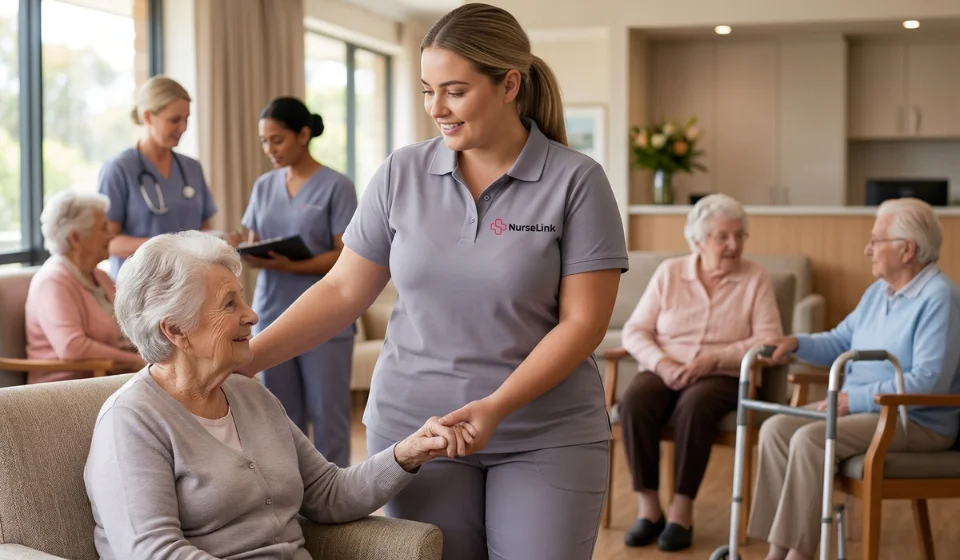
BlueHaven’s Journey It was 9:15 on a Tuesday evening when the call came through to NurseLink Healthcare. On the other end of the line was a senior manager from BlueHaven Aged Care, a respected facility in Melbourne’s western suburbs, and the urgency in her voice was unmistakable. What she was facing wasn’t just a staffing challenge – it was a full-blown crisis that affected the safety and wellbeing of every resident in her care. A rapid-onset flu outbreak had swept through the facility with devastating efficiency. Within just 48 hours, twenty-seven staff members – nurses, enrolled nurses, and personal care attendants – were not available. The timing couldn’t have been worse. Night shifts were approaching with dangerously inadequate coverage. Medication rounds needed qualified registered nurses. Residents requiring complex care couldn’t be left without proper support. Infection control protocols needed immediate implementation to prevent further spread. For the management team at BlueHaven, the situation was nothing short of terrifying. They were staring down the barrel of potentially unsafe staffing ratios, possible regulatory breaches, and most critically, the very real risk of harm to vulnerable residents who depended on them for every aspect of their care. The weight of responsibility was crushing, and the clock was ticking. In aged care, staffing shortages aren’t just operational inconveniences – they’re potentially life-threatening situations. Medications must be administered on time. Falls prevention requires adequate supervision. Continence care can’t wait. Meals need to be served. And through it all, infection control measures must be maintained to protect residents whose immune systems are already compromised. The manager at BlueHaven had already made several calls to other agencies that evening. Some didn’t answer. Others said they’d “see what they could do” and get back to her in the morning. One agency promised two carers but couldn’t guarantee registered nurses – leaving the critical medication and clinical care gaps unfilled. With each failed call, the panic grew. What would happen during the night shift? Who would administer medications? How could they possibly provide safe care with less than half their usual staff? When she dialed NurseLink Healthcare, it was more than a business call – it was a plea for help. What happened next would change not just that crisis night, but BlueHaven’s entire approach to workforce management. Our Response At NurseLink Healthcare, we understand that in aged care, emergencies don’t wait for business hours. Our commitment to our partner facilities means being ready to respond with speed, professionalism, and clinical excellence – no matter when the call comes. What Made The Difference From the moment that call came through at 9:15pm, our rostering team moved into action with precision and purpose. This wasn’t about scrambling to find any available bodies to fill shifts – it was about mobilising the right qualified professionals who could step into a crisis situation and provide safe, competent care immediately. Within twenty minutes six shift confirmations were sent to BlueHaven’s operations manager. Six qualified healthcare professionals who were ready, willing, and able to be there when the facility needed them most. For a manager who had spent hours making frantic calls with little success, those confirmations landing in her inbox felt like a lifeline being thrown to a drowning person. But we didn’t stop there. Twenty minutes gave BlueHaven immediate relief and hope, but we knew they needed comprehensive coverage, not just a band-aid solution. The Progress Throughout that night, while residents slept and the skeleton staff at BlueHaven worked double-time to provide care, our team continued coordinating. We were making calls, confirming availability, matching skills to needs, and ensuring that by morning, BlueHaven would have the workforce they needed to provide safe, quality care. By 7:00am the next morning – less than fourteen hours after that initial desperate call – BlueHaven had complete coverage: three Registered Nurses, including one specifically trained in infection control (critical for managing the outbreak), two Enrolled Nurses ready to support clinical care across the facility, and five Personal Care Attendants to ensure residents’ daily living needs were met with dignity and attention. This wasn’t just adequate staffing – this was the right mix of skills and experience to not only maintain care standards but to actively address the outbreak that had caused the crisis in the first place. Actions Beyond Staffing What set Nurselink’s response apart wasn’t just the speed or the numbers – it was the quality and initiative of the professionals we provided. Infection Control Excellence The infection control-trained RN we deployed immediately took a leadership role that went far beyond typical agency nursing. Upon arrival, she conducted a rapid assessment of the facility’s current infection control measures and implemented enhanced protocols that would contain the outbreak and protect both residents and remaining staff. She established clear isolation zones to separate affected residents and prevent cross-contamination, set up properly stocked PPE stations at strategic locations throughout the facility, conducted hand-hygiene audits and provided real-time education to staff on proper technique, and developed outbreak management protocols tailored to BlueHaven’s specific layout and resident needs. This wasn’t in her job description. She wasn’t asked to do this. But at Nurselink Healthcare, we hire and deploy professionals who see needs and take initiative – people who understand that in aged care, going above and beyond isn’t optional, it’s essential. Comprehensive Clinical Support Throughout the outbreak period, our team of nurses and care staff provided seamless integration with BlueHaven’s existing operations. They weren’t “just agency staff” – they became part of the team, committed to the residents’ wellbeing and the facility’s success. Our RNs conducted thorough medication rounds with meticulous attention to resident-specific needs and preferences, reviewed and treated wounds according to care plans, monitored residents with behavioral challenges and adjusted approaches as needed, coordinated COVID and flu swabbing to identify cases quickly and implement appropriate isolation, and completed comprehensive documentation that maintained continuity of care. Our ENs and PCAs provided personal care with dignity and respect, supported meal times ensuring adequate nutrition and hydration, maintained residents’ comfort
Letting Them Finally Sleep
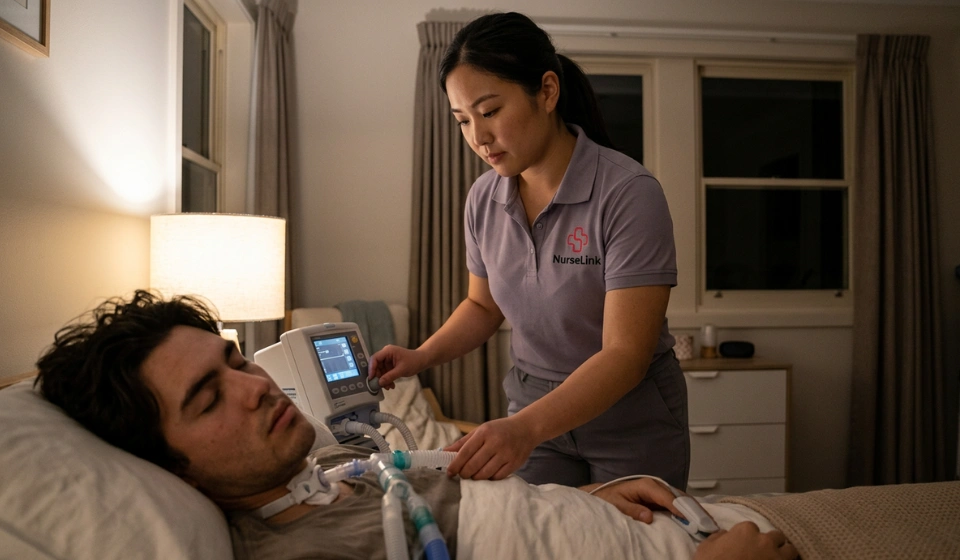
See How NurseLink’s Overnight Ventilator Nursing Helped After Their Son’s Serious Accident A Case Study In Skilled Overnight Nursing That Protected A Family’s Capacity To Keep Going Introduction There is a specific and cumulative exhaustion that comes from being the person responsible, night after night, for someone else’s breathing. Parents managing a ventilator-dependent adult child at home do not get the ordinary mercy of an uninterrupted night’s sleep, because a ventilator alarm, a tracheostomy that needs suctioning, a subtle change in colour or breathing pattern that only a trained eye would catch quickly enough, does not wait for a convenient hour. It happens whenever it happens, and someone has to be awake and competent enough to respond. For families managing this kind of care in the early months after a serious accident, the days are often, paradoxically, more manageable than the nights. During the day there is structure, other people, therapy appointments, distraction. At night there is only the family, the equipment, and the accumulating fatigue of parents who are trying to hold together their own health, their marriage, their other children and their jobs, on top of managing complex overnight medical care that would exhaust even a trained nurse working a single shift, let alone parents doing it indefinitely on no sleep at all. Overnight nursing support exists to break this specific and unsustainable pattern. It does not remove a family’s love or their involvement in their child’s care. It gives them back the one thing that chronic sleep deprivation makes it impossible to sustain: their own capacity to keep functioning, for as long as their son or daughter’s recovery requires them to. This case study documents how NurseLink Healthcare provided overnight ventilator nursing for a young man in his early twenties in Perth, following a serious accident that left him tracheostomy and ventilator dependent, and how consistent, skilled overnight nursing gave his parents their sleep, and by extension their capacity to keep going, back. To protect the privacy of the client and his family, all names and identifying details have been kept confidential throughout this case study. The Client And His Family The client is a man who was twenty-two at the time of his accident, living in Perth’s southern suburbs with his parents, having recently returned home after a period living independently while studying, a common enough arrangement for a young adult navigating the early stages of adulthood. He was involved in a serious motor vehicle accident that resulted in significant chest and airway trauma, requiring an extended period in intensive care followed by a lengthy inpatient rehabilitation admission before he was assessed as medically stable enough for discharge home. He was discharged with a tracheostomy and ongoing ventilator support required overnight, alongside daytime respiratory needs that were, by the time of discharge, more manageable but still required careful monitoring. His parents, both of whom had taken extended leave from work during the acute phase of his recovery, had undergone training through the hospital’s discharge planning process to manage his tracheostomy and ventilator care themselves, understanding that his ongoing recovery would require this care indefinitely, or at least for a period measured in months rather than weeks. The first several weeks at home had gone, by his parents’ own account, about as well as could be expected clinically, but had come at a cost that had become impossible to ignore. Neither parent had slept a full night since his discharge. They had split overnight monitoring between them in rotating shifts, each managing several hours of vigilance before waking the other, a system that meant neither of them was ever getting genuinely restorative sleep, and both were showing signs, by the time they contacted NurseLink Healthcare, of the kind of exhaustion that begins to compromise judgement and health in its own right. His mother described, in the initial conversation, a particular moment that had prompted her to finally seek outside support. She had, during a night shift several weeks into his care, dozed off briefly beside his bed and woken in a state of panic, uncertain for several disorienting seconds whether anything had happened during the time she had been asleep. Nothing had. But the fear of what might have, combined with the accumulated exhaustion of the preceding weeks, made clear to both parents that the current arrangement, however devoted, was not sustainable and was beginning to introduce its own risks alongside the ones it was meant to prevent. Understanding What The Family Actually Needed The initial assessment NurseLink Healthcare conducted with the family involved both parents and, for part of the conversation, the client himself, who was clear, despite his significant injuries, that he wanted to remain involved in decisions about his own care and did not want to be spoken about as though he were not present in the room. The family needed a qualified registered nurse, experienced specifically in tracheostomy and ventilator management, present overnight every night, competent to manage routine suctioning and equipment checks, respond immediately and correctly to any ventilator alarms or respiratory changes, and make sound clinical judgements about when a change in his condition warranted escalation. This needed to be reliable enough, night after night, that his parents could genuinely sleep through the night rather than remaining in a state of anxious semi-alertness even with a nurse present, which meant the nursing arrangement needed to establish real trust quickly. His parents also needed, though it took a slightly longer conversation to articulate clearly, a nurse who would respect that this was still their son and their home, and who would keep them appropriately informed each morning without needing to wake them for anything short of a genuine concern, so that the overnight coverage functioned as real relief rather than a source of new anxiety about being kept in the dark. The client, for his part, was direct that he wanted overnight nurses who would let him sleep when he was genuinely tired rather than waking him unnecessarily for routine checks