
Palliative Care Vs. Hospice Care: 5 Crucial Differences You Must Know
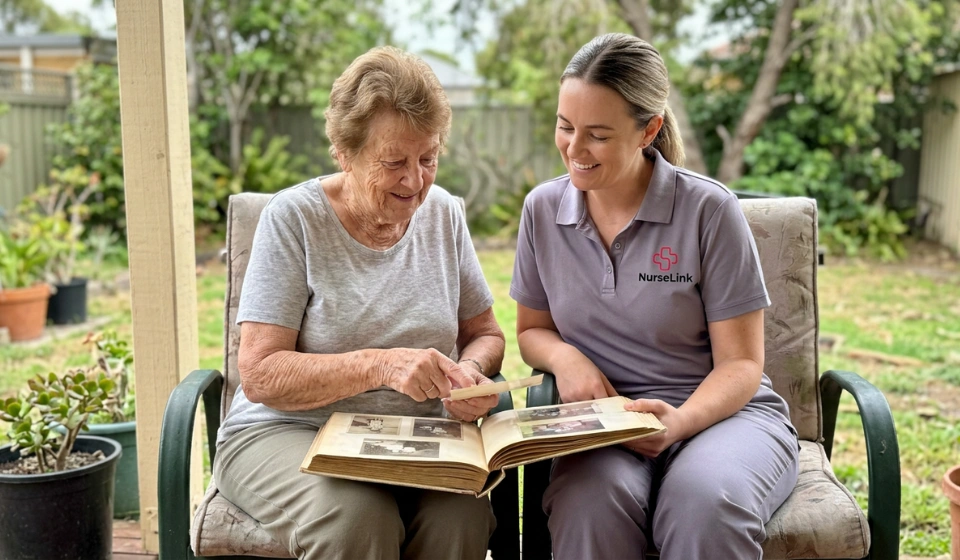
Palliative care provides specialised support for people living with serious or life-limiting illness, while hospice care generally focuses on comfort and quality of life towards the end of life. The difference between hospice and palliative care can be confusing because both involve symptom management, emotional support and family assistance. Understanding their differences helps individuals make informed care decisions. The five key differences involve timing, treatment goals, eligibility, scope of support and service delivery. What Is Palliative Care & Who Can Benefit From It? Palliative care is specialised healthcare that helps people manage symptoms, improve quality of life and cope with the physical, emotional, social and spiritual effects of serious illness. It can begin at different stages and may be provided alongside treatment for the underlying condition. What is palliative care and why is it important? It is important because it considers the whole person rather than focusing only on a diagnosis. People living with cancer, advanced heart or lung disease, neurological conditions and other serious illnesses may benefit. Palliative care does not automatically mean that disease-directed treatment has stopped. Palliative care may include: Pain and symptom management. Emotional and psychological support. Social and practical assistance. Spiritual support where appropriate. Coordination between healthcare professionals, patients, families and carers. Care may be provided in hospitals, clinics, residential aged care facilities or at home. What does palliative care do? It helps address the effects of serious illness while supporting comfort, personal goals and quality of life. What Is Hospice Care & When Is It Appropriate? Hospice care is supportive care primarily focused on comfort, dignity and quality of life for people approaching the end of life. Instead of concentrating mainly on disease-directed treatment, hospice generally prioritises relief from distressing symptoms and support for the individual and family. Understanding the concept of hospice care helps explain its role. Hospice may become appropriate when an illness has progressed and care goals have shifted towards comfort and end-of-life support. Exact eligibility and service arrangements vary between providers and circumstances. Hospice care may involve: Managing pain and other distressing symptoms. Providing emotional and practical support. Respecting personal preferences and maintaining dignity. Supporting family members and informal carers. Coordinating nurses, doctors, allied health professionals and other services. Hospice care may be provided in a dedicated facility, hospital, residential setting or, where available, at home. What does hospice care do? It supports comfort and quality of life when end-of-life needs become the central focus of care. Palliative Care vs. Hospice Care: 5 Crucial Differences Palliative care vs hospice care can be understood through five practical differences. Although the approaches overlap considerably, their timing, goals, eligibility, support and delivery can differ. Timing of Care Timing is a major difference between palliative and hospice care. Palliative care can begin at various stages of serious illness and may continue while a person receives treatment for the underlying condition. Hospice care is generally considered when the illness has progressed and comfort becomes the primary care goal. Treatment Goals Palliative care may be provided alongside treatments intended to manage, control or slow an illness. Hospice care generally places greater emphasis on comfort rather than disease-directed treatment when a person is nearing the end of life. Care goals can change as health circumstances develop. Eligibility and Care Requirements Eligibility depends on the service, provider, clinical circumstances and location. Palliative care may be available to people with serious illnesses who need symptom management and supportive care. Hospice programs can have more specific clinical requirements. Individual assessment is therefore important when determining appropriate services. Scope of Support Both approaches can address physical symptoms as well as emotional, social and practical needs. Palliative care may provide support throughout serious illness, while hospice care commonly addresses these needs during end-of-life care. Family and carer support can form an important part of both approaches. Care Setting and Service Delivery Palliative care may be delivered in hospitals, clinics, residential aged care facilities and homes. Hospice services may operate through dedicated facilities, hospitals, residential settings or home-based programs. Nurses, doctors, allied health professionals and other providers can work together to coordinate person-centred care. How Palliative & Hospice Care Support Patients 7 Families Palliative and hospice care support patients and families by addressing physical symptoms alongside emotional, social, practical and, where appropriate, spiritual needs. This whole-person approach recognises that serious illness can affect everyone involved in care. Patients may receive help with pain, breathlessness, nausea and other symptoms while maintaining dignity, comfort and personal preferences. Families and informal carers can receive information, guidance and practical support as needs change. Communication is particularly important. Healthcare professionals can explain available options, discuss care goals and support advance care planning. Depending on the service, family support may also extend into bereavement. Coordinated care can help keep the person’s priorities central while reducing confusion between different providers. Choosing The Right Type Of Care For Your Needs Choosing between palliative and hospice care should be based on the person’s medical circumstances, care goals, preferences and available services. A doctor, nurse or other qualified healthcare professional can help explain which options may be suitable. Consider: The person’s diagnosis, symptoms and treatment goals. Whether symptom management can occur alongside ongoing treatment. Preferred care environments, including home-based care where available. Eligibility, services, costs and care coordination. Changing needs and the preferences of the person receiving care. Families should also consider their own support needs. Care plans may need to change as a person’s condition develops. Is hospice and palliative care the same? No. They overlap, but their usual timing and goals can differ. Does palliative care mean someone is dying? Not necessarily, because it can begin while someone is receiving treatment for a serious illness. Key Takeaways Palliative care and hospice care both prioritise comfort, dignity and quality of life, but they can differ in timing, goals, eligibility, scope and delivery. Palliative care may accompany treatment for serious illness, while hospice generally focuses more specifically on end-of-life comfort. Both can support patients, families and carers. The appropriate option depends on
The Relationship Between Mental Illness Vs Disability

Mental illness and disability can overlap, but having a mental illness does not automatically mean a person has a disability. Mental illness describes a health condition, while disability focuses on how an impairment affects a person’s ability to manage everyday activities and participate in society. Psychosocial disability is disability associated with the effects of a mental health condition. Understanding this difference can help individuals, families and carers identify appropriate support and understand how Australian disability services, including the National Disability Insurance Scheme (NDIS), may apply. What Is Mental Illness & What Is A Disability? Mental illness is a health condition that can affect a person’s thinking, emotions, behaviour or ability to function. The term covers a broad range of conditions, including anxiety disorders, depression, bipolar disorder, schizophrenia and post-traumatic stress disorder. The severity and duration of symptoms can vary considerably between individuals, and some conditions may be episodic rather than continuously present. Disability describes the impact of an impairment on a person’s ability to perform activities or participate in everyday life. The types of disabilities can include physical, sensory, intellectual, learning and psychosocial disabilities. The important distinction is that a diagnosis and a disability are not automatically the same thing. A health condition may exist without substantially limiting daily functioning, while another person’s condition may create ongoing difficulties with communication, social interaction, learning, self-care, mobility or managing daily life. What Is The Relationship Between Mental Illness & Disability? Mental illness can become associated with disability when its effects substantially and persistently interfere with a person’s everyday functioning and participation. For example, a severe mental health condition may make it difficult to maintain employment, manage household responsibilities, communicate with others, maintain relationships or participate independently in community activities. The impact can also affect physical wellbeing when difficulties with routines, self-care or accessing healthcare continue over time. Psychosocial disability describes disability that arises from the effects of a mental health condition. It is not simply another name for mental illness. A person may have a diagnosed mental health condition but experience little or no disability, while another person with a similar diagnosis may experience substantial restrictions in daily life. AIHW notes that not everyone with a mental health condition will have a psychosocial disability. This distinction is important because disability is concerned with functional impact. Mental health conditions can affect a person’s ability to work, study, socialise, maintain housing, manage personal care or make everyday decisions. Support may therefore focus on improving independence, participation and capacity rather than treating the underlying mental illness itself. Types Of Disabilities & Mental Health Conditions Disability can affect different areas of functioning, and Australian disability data commonly recognises groups such as physical, sensory or speech, learning and understanding, psychosocial, acquired brain injury and other long-term conditions. These categories are not necessarily exclusive, meaning a person can experience more than one type of disability. Common type of mental illnesses include anxiety disorders, depression, bipolar disorder, schizophrenia, obsessive-compulsive disorder and post-traumatic stress disorder. However, the diagnosis itself does not determine whether someone experiences disability. The functional effects may be more relevant to understanding support needs. For example, one person may manage work and daily routines independently, while another may require ongoing assistance with social interaction, self-care, communication or community participation. When considering disabilities and mental health, individual circumstances matter. Symptoms, severity, duration, treatment response, available support and the person’s environment can all influence functioning. This is why support assessments generally consider what a person can do, what difficulties they experience and what assistance they need, rather than relying on a diagnosis alone. Is Mental Illness Considered A Disability In Australia? Mental health disorders can be associated with disability in Australia when their effects result in significant and ongoing restrictions in everyday functioning. However, having a mental health diagnosis does not automatically mean that a person meets a formal definition of disability or qualifies for a particular disability support program. Psychosocial disability is the term commonly used when the effects of a mental health condition create substantial difficulties with everyday life and participation. These difficulties can involve communicating, socialising, learning, managing personal care, maintaining employment or managing daily activities. The Australian Institute of Health and Welfare identifies psychosocial disability as disability arising from mental health conditions and notes that it can be episodic or persistent. So, is being mentally ill a disability? Not necessarily. A person can experience mental illness without having a disability, while another person may experience significant functional limitations associated with their mental health condition. Australian disability support systems therefore focus on relevant functional limitations and eligibility requirements. For someone considering support, professional assessment and current government guidance are more useful than assuming that a diagnosis automatically determines eligibility. Mental Health & The NDIS: Eligibility & Support Mental health conditions can be relevant to NDIS access when they result in a psychosocial disability that meets the Scheme’s eligibility requirements. The NDIS does not fund clinical mental health treatment simply because a person has a mental health diagnosis. Instead, the Scheme focuses on disability-related supports for eligible people whose impairment has the required level of functional impact. The NDIS criteria for mental health include requirements relating to impairment, permanence, functional capacity and support needs. Current NDIS guidance states that, under the disability requirements, a person’s impairment must be permanent or likely to be permanent, substantially reduce their ability to perform everyday activities, affect areas such as communication, socialising, learning, mobility, self-care or managing life, and mean they are likely to require NDIS supports for their lifetime. The NDIS also recognises psychosocial disability within its disability requirements. For eligible participants, disability-related supports may assist with daily living, social and community participation, building independence, managing routines and other approved goals. These supports are different from clinical mental health services such as psychiatric treatment or community mental health care, which sit within the health system. Understanding this distinction can help people seek the right type of assistance for their circumstances. Key Takeaways Mental illness and disability are connected but
Cardiac Arrest: Causes, Early Signs, Symptoms & First Aid Steps
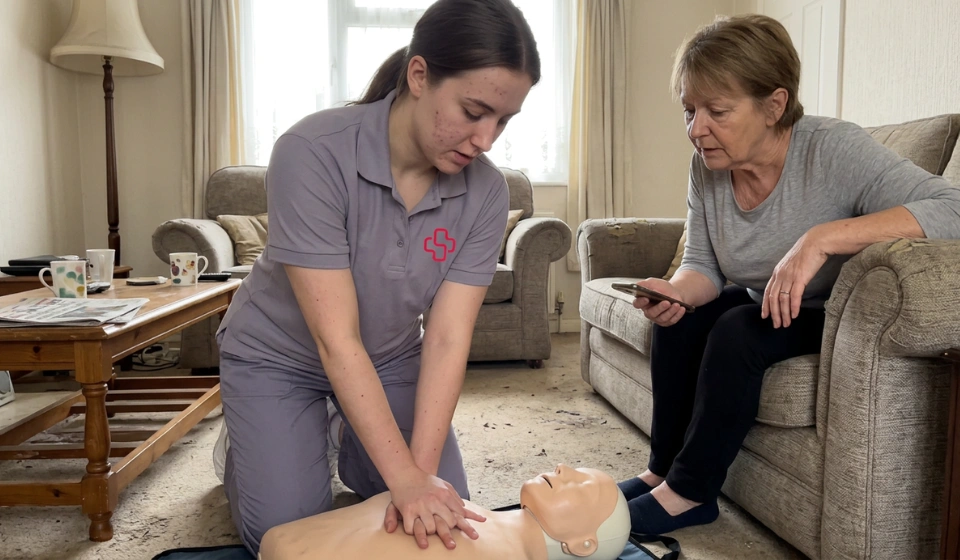
Cardiac arrest is a life-threatening emergency in which the heart suddenly stops pumping blood effectively. Recognising the signs, calling 000, starting CPR and using an automated external defibrillator (AED) quickly can help maintain circulation and improve the chance of survival while emergency medical care is on the way. What Is Cardiac Arrest & How Does It Affect The Body? Cardiac arrest occurs when the heart suddenly stops pumping blood effectively. As circulation stops, the brain and other organs are deprived of oxygen. The person usually becomes unconscious and stops breathing normally. Without rapid treatment, cardiac arrest can cause severe organ damage and may be fatal. During cardiac arrest: Effective blood circulation stops. The brain loses its oxygen supply. The person loses consciousness. Normal breathing stops or becomes abnormal. CPR and defibrillation may help restore circulation. CPR helps maintain blood flow until professional help arrives, while an AED can analyse the heart rhythm and deliver a shock when appropriate. Cardiac arrest is different from a heart attack, although a heart attack can sometimes trigger cardiac arrest. What Causes Cardiac Arrest? Understanding The Risk Factors Cardiac arrest causes are often associated with a dangerous electrical disturbance in the heart and underlying cardiovascular disease. Coronary artery disease, previous heart attacks, abnormal heart rhythms, cardiomyopathy, heart failure and certain inherited heart conditions can increase the risk. Other possible causes and risk factors include: Severe breathing problems or lack of oxygen Electrocution, poisoning or drug overdose Major trauma or severe blood loss High blood pressure, high cholesterol or diabetes Smoking, older age and family history of heart disease Risk factors increase the likelihood of cardiac arrest but do not mean it will definitely occur. Some people experience sudden cardiac arrest without knowing they have an underlying heart condition. Medical assessment can help identify potential causes and contributing conditions. What Are The Early Signs & Symptoms Of Cardiac Arrest? The main cardiac arrest symptoms are sudden collapse, unresponsiveness and abnormal or absent breathing. Unlike many medical conditions, cardiac arrest can happen with little or no warning. Gasping or irregular breaths should not be mistaken for normal breathing. Possible warning symptoms before cardiac arrest can include: Chest discomfort Shortness of breath Palpitations Dizziness or fainting Sudden weakness These symptoms do not always occur, and they can have many other causes. If a person suddenly collapses, does not respond and is not breathing normally, call 000 immediately and begin CPR. Acting quickly is critical because prolonged interruption of blood flow can cause serious brain and organ damage. Cardiac Arrest Vs Heart Attack: What Is The Difference? The difference between sudden cardiac arrest and a heart attack is primarily what causes each condition. A heart attack involves restricted blood flow to the heart muscle, while cardiac arrest occurs when the heart suddenly loses effective pumping activity. Although they are different conditions, a heart attack can sometimes lead to cardiac arrest. What Is A Heart Attack? A heart attack occurs when blood flow through a coronary artery becomes blocked, preventing sufficient oxygen from reaching part of the heart muscle. The heart usually continues beating. Symptoms can include chest pressure or discomfort, shortness of breath, sweating, nausea and pain that may spread to the arm, back, neck or jaw. What Is Cardiac Arrest? Cardiac arrest occurs when the heart suddenly stops pumping effectively, usually because of a dangerous electrical rhythm. Blood circulation stops, causing the person to become unconscious and stop breathing normally. Immediate CPR, an AED when available and emergency medical assistance are essential. Can A Heart Attack Cause Cardiac Arrest? Yes. A heart attack can damage the heart muscle and interfere with its electrical system. This can produce a dangerous rhythm that results in cardiac arrest. Therefore, serious symptoms of a heart attack also require immediate emergency attention. What Should You Do During Cardiac Arrest? First Aid & CPR Steps During suspected cardiac arrest, check the person, call 000, start CPR and use an AED if one is available. These first aid steps can help maintain circulation until emergency professionals arrive. Check For Responsiveness Speak to the person and check whether they respond. If they are unresponsive and not breathing normally, treat the situation as cardiac arrest. Gasping or occasional abnormal breaths should not be considered normal breathing. Call Emergency Services Call triple zero, or 000, and request an ambulance. If someone else is present, ask them to make the call while you begin CPR. Put the phone on speaker if possible and follow the emergency operator’s instructions. Start CPR Begin chest compressions in the centre of the chest. Push hard and fast and allow the chest to recoil between compressions. Continue CPR until emergency professionals take over, the person shows clear signs of recovery or an AED instructs you to stop. Use An AED An automated external defibrillator analyses the person’s heart rhythm and can deliver an electric shock when appropriate. Turn the device on, attach the pads as directed and follow its voice or visual instructions. Do not touch the person while the AED is analysing the rhythm or delivering a shock. Continue Care Until Help Arrives Continue CPR and follow the AED’s instructions until professional help arrives. If another trained person is available, they can take over chest compressions when necessary. Suspected cardiac arrest always requires emergency medical care. Conclusion Cardiac arrest is a life-threatening emergency involving the sudden loss of effective heart function. Recognising collapse, unresponsiveness and abnormal or absent breathing is essential. Calling 000, beginning CPR and using an AED quickly can provide critical support while emergency services respond. Learning basic CPR and knowing where AEDs are located can help people respond confidently when immediate action is needed. Frequently Asked Questions How Quickly Do You Lose Consciousness After Cardiac Arrest? Consciousness is usually lost very quickly after cardiac arrest because blood flow to the brain stops. A person may collapse within seconds and become unresponsive. Gasping is not normal breathing. If someone is unresponsive and not breathing normally, call 000 immediately and start
Everything You Need To Know About Managing Cardiovascular Health

Cardiovascular health refers to the health and function of the heart and blood vessels, which work together to circulate blood, oxygen and nutrients throughout the body. Because the cardiovascular system supports almost every organ, maintaining its health is an important part of overall wellbeing. Cardiovascular problems can sometimes develop gradually and may not cause obvious symptoms in the early stages, making prevention and regular health checks particularly important. Understanding the factors that influence heart health can help people make informed choices and recognise when professional advice may be needed. This guide explores common cardiovascular conditions, warning signs, health checks, prevention strategies and ways to manage cardiovascular health over the long term. Understanding Cardiovascular Health & Why It Matters Cardiovascular health describes how well the heart and blood vessels function together. The heart pumps blood around the body through an extensive network of arteries and veins, delivering oxygen and nutrients while helping remove waste products. When this system functions effectively, it supports physical activity, energy levels and the healthy functioning of other organs. A person’s cardiovascular health can be influenced by many factors. Age and genetics can affect risk, while lifestyle choices, existing health conditions and environmental factors can also play a role. Maintaining heart health is therefore important at every stage of adulthood, whether someone is focused on prevention or managing an existing cardiovascular condition. What Can Affect Cardiovascular Health? Several factors can influence cardiovascular wellbeing. Physical inactivity, smoking, an unhealthy diet and excessive alcohol consumption can increase cardiovascular risk over time. These factors may contribute to high blood pressure, unhealthy cholesterol levels and excess weight. Health conditions such as diabetes, obesity, high blood pressure and high cholesterol can also affect the heart and blood vessels. Family history and increasing age may further increase risk. While some factors cannot be changed, many lifestyle and health-related factors can be managed with appropriate support and regular monitoring. Common Cardiovascular Diseases & Their Risk Factors Cardiovascular disease refers to a broad group of conditions affecting the heart and blood vessels. These conditions can interfere with blood flow, heart function or the supply of oxygen to different parts of the body. Some develop gradually, while others can result in sudden and potentially serious events. Coronary heart disease occurs when the blood vessels supplying the heart become narrowed or blocked, which can restrict blood flow to the heart muscle. Heart failure occurs when the heart cannot pump blood effectively enough to meet the body’s needs. Stroke occurs when blood supply to part of the brain is interrupted or bleeding occurs in the brain. Peripheral artery disease affects blood vessels outside the heart and brain, commonly involving reduced blood flow to the limbs. The risk factors for cardiovascular disease vary between conditions. Some can be modified through lifestyle changes and medical management, while others, such as age and family history, cannot be changed. Understanding individual risk can help people take appropriate preventive steps. Common Risk Factors To Be Aware Of Common cardiovascular risk factors include: High blood pressure High cholesterol Smoking Physical inactivity Unhealthy diet Diabetes Excess weight Family history and increasing age Having a risk factor does not necessarily mean that someone will develop cardiovascular disease. However, several risk factors occurring together can increase overall risk, which is why regular health assessments are valuable. Signs & Symptoms Of Cardiovascular Problems To Watch For The signs and symptoms of cardiovascular disease can vary depending on the condition and its severity. Some people may experience noticeable symptoms during physical activity, while others may experience them while resting. Common warning signs can include chest discomfort, shortness of breath, unusual tiredness, dizziness and a sensation of a rapid or irregular heartbeat. Other symptoms may include reduced exercise tolerance, swelling in the legs or ankles and discomfort that develops during physical activity and improves with rest. However, some cardiovascular conditions can develop without obvious symptoms, particularly in their earlier stages. Regular health checks can therefore be important even when a person feels well. When Should You Seek Urgent Medical Attention? Certain symptoms require urgent medical attention. Severe or persistent chest pain or pressure, significant difficulty breathing, fainting or sudden weakness should not be ignored. Symptoms such as sudden facial drooping, weakness or numbness on one side of the body, difficulty speaking or sudden confusion may indicate a stroke. If symptoms suggest a heart attack, stroke or another medical emergency, call emergency services immediately. Prompt treatment can be critical, and people should not attempt to diagnose or manage serious symptoms themselves. Cardiovascular Health Checks & Diagnostic Tests Regular cardiovascular health checks can help identify risk factors before they contribute to more serious problems. A healthcare professional may assess blood pressure, cholesterol, blood glucose, weight and other relevant health measures. They may also discuss lifestyle habits, existing medical conditions and family history. The types of cardiovascular tests recommended depend on a person’s symptoms, health history and risk profile. Common investigations can include blood tests, an electrocardiogram (ECG), echocardiogram and exercise or stress testing. Further investigations may be recommended if initial assessments identify concerns or if symptoms require more detailed investigation. What Happens During A Heart Health Check? A heart health assessment generally begins with a conversation about overall health. A healthcare professional may ask about symptoms, physical activity, diet, smoking, alcohol consumption, medications and family history of cardiovascular disease. Physical measurements such as blood pressure and heart rate may be taken, and blood tests may be recommended. Depending on the findings, additional tests or specialist assessment may be appropriate. Being open about symptoms and lifestyle habits helps healthcare professionals develop a more accurate understanding of cardiovascular risk. How To Prevent Cardiovascular Disease & Protect Heart Health The prevention of cardiovascular disease involves reducing manageable risk factors and making choices that support long-term heart health. Regular physical activity, a balanced diet and maintaining a healthy weight can contribute to cardiovascular wellbeing. Avoiding smoking is particularly important, while limiting alcohol consumption can also support overall health. Managing existing conditions is equally important. People
Reasons Why Nursing Qualifications Matter

Reasons Why Nursing Qualifications Matter Nursing qualifications play a critical role in modern healthcare, shaping the quality, safety and consistency of care delivered across Australia. As healthcare needs become more complex, formal education, professional registration and recognised certifications ensure nurses are equipped to provide safe, ethical and effective support. Qualifications influence every aspect of nursing practice, from clinical decision-making to patient outcomes and professional accountability. In Australia, regulatory bodies oversee standards and ongoing training requirements, helping to maintain public trust while supporting nurses to keep their knowledge current and relevant in an evolving healthcare environment. Patient Safety & Evidence-Based Clinical Practice Patient safety sits at the core of nursing practice, and qualifications are one of the strongest safeguards in healthcare delivery. Nurses with appropriate education and training are better prepared to assess risks, follow clinical guidelines and respond appropriately to changing patient needs. Formal qualifications provide the foundation for evidence-based practice, allowing nurses to apply current research and best-practice standards in real-world care settings. Clinical education also supports critical thinking and sound judgement, both of which are essential in preventing errors and improving patient outcomes. When nurses understand the science behind their practice, they are more confident in making informed decisions and escalating concerns when needed. This is particularly important in high-pressure environments such as hospitals, aged care facilities and community-based care. Qualified nurses are trained to follow established clinical protocols and safety standards. Formal education reduces the risk of medication errors and procedural mistakes. Evidence-based training supports accurate patient assessments and care planning. Nurses learn to recognise early signs of deterioration and act promptly. Clinical knowledge enables safer wound care, infection control and medication management. Education supports consistent documentation and clear communication. Ongoing training ensures care aligns with current clinical guidelines. Skilled nurses contribute to reduced hospital readmissions. Patient outcomes improve when care is delivered by qualified professionals. Trust is strengthened when patients know their care is provided by trained nurses. Regulatory Compliance & Professional Registration Australia has a well-defined regulatory framework designed to protect patients and uphold professional standards. Nursing qualifications are central to meeting these requirements, as registration ensures nurses meet nationally recognised education and competency benchmarks. Regulatory compliance is not simply a formality; it underpins ethical practice, accountability and public confidence in healthcare services. Professional registration confirms that nurses have completed approved education pathways and met the nursing requirements in Australia. It also ensures practitioners adhere to codes of conduct, professional standards and continuing professional development obligations. These requirements apply across all healthcare settings, from in-home support to complex clinical environments. Failure to meet regulatory standards can have serious consequences for both nurses and healthcare providers. Without appropriate qualifications and registration, organisations may face legal risks, loss of accreditation and reputational damage. For nurses, non-compliance can lead to restrictions on practice or loss of professional standing. Registration confirms that qualifications for nursing in Australia meet national standards. Licensing requirements help ensure ethical and lawful practice. Regulatory oversight protects vulnerable patients and communities. Employers rely on registration to verify professional competence. Compliance supports consistent care across the healthcare system. Clinical Competency & Scope of Practice Nursing qualifications define what a nurse is authorised and competent to do in clinical practice. Scope of practice refers to the activities a nurse is educated, trained and legally permitted to perform, and this scope varies significantly depending on qualification level. Clear boundaries help protect patients while supporting nurses to work confidently within their expertise. Enrolled nurses, registered nurses and nurse practitioners each have distinct roles shaped by their education and training. Enrolled nurses provide essential care under supervision, while registered nurses take on broader clinical responsibilities, including care planning and coordination. Nurse practitioners operate at an advanced level, often diagnosing conditions, prescribing medications and leading complex care decisions in line with nurse practitioner requirements. Maintaining clinical competency is an ongoing responsibility. Continued education and professional development allow nurses to refine their skills, adapt to new technologies and respond to emerging healthcare challenges. This commitment to learning ensures practice remains safe, current and aligned with professional standards. Specialised Nursing Roles & Advanced Qualifications Healthcare increasingly relies on specialised nursing roles to meet complex and diverse patient needs. Advanced qualifications support nurses working in areas such as primary care, mental health, chronic disease management and community health. These roles demand deeper clinical knowledge, advanced assessment skills and a strong understanding of healthcare systems. Nurse practitioner qualifications, for example, prepare nurses to deliver advanced care with greater autonomy. This includes meeting nurse practitioner curriculum requirements and completing recognised education pathways that support advanced clinical reasoning. Additional certification processes, including nurse practitioner certification requirements and nurse practitioner license requirements, ensure practitioners are appropriately credentialed to practise at this level. Advanced education supports complex decision-making by strengthening diagnostic skills, pharmacological knowledge and leadership capability. Credentialing processes also reassure patients and employers that specialised nurses meet rigorous professional standards and are equipped to deliver high-quality care in specialised settings. Workforce Standards Across Healthcare Settings Consistent workforce standards are essential for maintaining quality across Australia’s healthcare system. Nursing qualifications help establish a baseline of competence that applies across hospitals, aged care services, disability support and community health settings. This consistency allows healthcare organisations to deliver reliable care regardless of location or service type. Qualified nurses play a key role in multidisciplinary teams, working alongside doctors, allied health professionals and support workers. Their training enables effective collaboration, clear communication and coordinated care planning. In aged care and disability services, qualifications also support person-centred approaches that respect individual needs, preferences and goals. Employers and accreditation bodies rely on qualifications to meet service standards and funding requirements. Having a qualified workforce supports compliance, improves service quality and reinforces organisational credibility across healthcare sectors. Career Development & Professional Recognition Nursing qualifications do more than support patient care; they also shape professional growth and career progression. Formal education opens pathways to advanced roles, leadership positions and specialised practice areas. Nurses with recognised qualifications often have access to broader employment opportunities and increased
Role Of Nurses In Chronic Disease Management

Chronic diseases are among the most significant ongoing health challenges, requiring people to manage symptoms, treatments and lifestyle changes over long periods. Unlike short-term illnesses that may resolve after treatment, chronic conditions often require regular monitoring and coordinated care. This can place practical and emotional demands on individuals, families and healthcare teams. Nurses play a central role in this ongoing process because they often have regular contact with patients and can provide continuity between different aspects of care. They monitor changes, support treatment plans, explain health information and help patients develop practical skills for managing their condition. This article explores the role of nurses in chronic disease management and how their contribution can support better health outcomes and quality of life. Understanding Chronic Disease Management When considering what is a chronic disease management approach, it involves more than treating symptoms when they appear. Chronic disease management is a coordinated process focused on monitoring a long-term condition, reducing complications, supporting treatment adherence and helping people maintain their health and independence. It may involve medical treatment, lifestyle changes, regular assessments, education and ongoing communication between healthcare professionals. Common chronic conditions include diabetes, cardiovascular disease, chronic obstructive pulmonary disease (COPD), arthritis and some long-term neurological conditions. Each condition has different requirements, but many involve regular appointments, medication, symptom monitoring and lifestyle adjustments. Continuous care helps healthcare professionals identify changes earlier and adjust treatment when necessary, while coordinated support helps prevent gaps between different healthcare services. Key Responsibilities Of Nurses In Chronic Care Nurses contribute to chronic care in several practical ways. Their responsibilities can change according to the patient’s condition, care setting and treatment plan, but regular assessment, treatment support and individualised planning remain important components of their work. Monitoring & Assessing Patient Health Regular monitoring allows nurses to identify changes in a patient’s health and communicate relevant concerns to the wider healthcare team. Depending on the condition, this may involve checking vital signs, reviewing symptoms, observing physical changes and discussing how the patient has been managing at home. Consistent symptom tracking can help identify patterns that may otherwise be overlooked. Nurses can also encourage patients to report changes promptly rather than waiting until symptoms become more difficult to manage. This ongoing observation supports informed clinical decision-making and can contribute to earlier intervention when concerns arise. Administering Treatments & Medications Nurses may administer prescribed treatments, support medication routines and monitor how patients respond to treatment. They can explain when and how medicines should be taken, discuss potential concerns and reinforce instructions provided by doctors or other authorised healthcare professionals. Medication management is particularly important when patients take several medicines or have complex treatment schedules. Nurses can help identify practical difficulties, such as confusion about instructions or challenges following a routine, and communicate these concerns to the appropriate healthcare professional. Developing Individualised Care Plans Chronic conditions affect people differently, so care should reflect individual circumstances rather than relying on a standard approach. Nurses can contribute to care planning by considering a patient’s symptoms, abilities, lifestyle, preferences and personal goals. An effective care plan may include treatment routines, monitoring requirements, education, lifestyle goals and follow-up arrangements. Involving patients in these decisions can make plans more realistic and encourage greater participation in their own care. How Nurses Support Patient Education & Self-Management Education is one of the most valuable aspects of long-term nursing care. Patients may receive information from several healthcare professionals, and nurses can help translate that information into practical steps that make sense in everyday life. Teaching Disease Management Skills Nurses can explain the nature of a condition, common symptoms, treatment requirements and warning signs that may require medical attention. They can also demonstrate practical skills relevant to a patient’s care and check whether the person feels confident performing them independently. Clear communication is particularly important when health information is complex. Nurses can adapt explanations to the patient’s level of understanding and encourage questions rather than assuming that instructions have been understood. Encouraging Lifestyle & Behavioural Changes Lifestyle choices can influence the management of many chronic conditions. Nurses may provide guidance within their scope of practice around areas such as nutrition, physical activity, sleep, smoking cessation and medication adherence, while working alongside other healthcare professionals when specialised advice is required. Small, achievable changes are often easier to maintain than unrealistic goals. Nurses can help patients identify practical strategies that fit their routines and circumstances, then review progress during follow-up care. Building Patient Confidence & Independence Long-term care should not mean that patients become dependent on healthcare professionals for every decision. Nurses can help individuals develop the knowledge and confidence needed to manage appropriate aspects of their condition day to day. Encouraging patients to recognise symptoms, follow agreed treatment routines, prepare for appointments and communicate concerns can strengthen self-management. Greater confidence can also help people become active participants in decisions about their health. Coordinating Care Across The Healthcare Team Chronic disease management often involves several professionals, including general practitioners, specialists, allied health professionals, pharmacists and community care teams. Nurses can help connect these different parts of the care pathway and reduce the risk of important information being missed. Liaising With Doctors & Specialists Nurses communicate relevant observations and patient concerns to doctors and specialists, helping ensure that treatment decisions reflect current information. They may also reinforce agreed recommendations and monitor whether patients are experiencing difficulties with the treatment plan. Consistent communication can be particularly valuable when a patient sees multiple specialists. Sharing appropriate information helps support continuity and reduces unnecessary duplication or confusion. Involving Family & Caregivers Family members and caregivers can provide valuable practical support, particularly when a person has complex care needs or requires assistance at home. With the patient’s consent and where appropriate, nurses can help caregivers understand relevant routines, warning signs and care requirements. Keeping support networks informed can create greater consistency between professional care and daily routines. It can also help caregivers recognise when additional professional assistance may be required. Managing Referrals & Follow-Up Care Patients may move between
How Many Hours Do Nurses Work? A Guide To Nursing Shifts

Nursing is shaped by changing patient needs and the requirement to provide care around the clock. Unlike many office-based roles, nursing schedules can include mornings, evenings, overnight shifts, weekends and public holidays. Hours can therefore vary depending on the role, workplace and employment arrangement. Understanding nursing schedules is useful for both nurses and patients alike across different healthcare settings today. Nurses need to know how different rosters may affect rest, family commitments and long-term wellbeing, while patients benefit from knowing why care teams work across different shifts. This guide explores common shift lengths, scheduling patterns, factors that influence nurse working hours, overtime, on-call duties and practical ways to manage demanding rosters. Standard Nursing Shift Lengths Explained Nursing shifts vary across Australia, with many workplaces using shifts of around eight or 10 hours, while some services use 12-hour shifts. A roster may include a combination of these depending on staffing requirements, patient demand and the type of service being provided. Hospitals and residential facilities commonly operate continuously, requiring nurses to cover morning, afternoon and overnight periods. Employment status also affects expected hours. Full-time nurses generally work an agreed number of hours each week, while part-time nurses work fewer hours on a regular basis. Casual nurses may have greater flexibility, although available shifts can vary. The exact arrangement depends on the employer, contract, award and workplace policies. Common Shift Patterns: 8-Hour Vs 12-Hour Shifts There is no universal schedule for nurses. Some healthcare services rely primarily on shorter shifts, while others use longer shifts to provide continuity and reduce the number of daily handovers. The choice can also depend on department requirements. 8-Hour Shifts An eight-hour roster commonly divides a 24-hour period into morning, afternoon and night shifts. Exact nursing shift times vary between facilities, but a typical structure may involve an early morning start, an afternoon or evening period and an overnight shift. Nurses may work several shifts across a week according to their roster. Shorter shifts can make individual working days more manageable and may provide more opportunities for regular handovers between teams. They can suit facilities requiring frequent staffing changes. However, nurses may work more days during the week to reach their contracted hours. 12-Hour Shifts A 12-hour roster generally divides the day into a day shift and a night shift. For example, a nurse may work during the day for one rostered period and later have a sequence of overnight shifts, depending on the facility’s scheduling system. The main attraction can be fewer working days and longer breaks between rostered shifts. This may provide additional time for personal commitments. However, a 12-hour shift can be demanding, so adequate breaks, recovery time and safe staffing are important. Choosing Between The Two Nurses and facilities consider several factors when selecting a shift structure. These can include patient needs, staffing availability, continuity of care, fatigue management, clinical workload and employee preferences. A schedule that works well in one department may not suit another, so rosters are designed around the specific service. Factors That Influence Nurses’ Working Hours The number of hours a nurse works is shaped by more than their employment status. The setting, department, patient population and staffing model can all affect the roster. These factors explain why nurses with similar qualifications may have different weekly schedules. Facility Type & Department Hospitals require continuous staffing across emergency departments, wards, theatres, intensive care and other units. Aged care facilities also need nurses across different times of day, while community health services may have more conventional daytime schedules. Specialty units can have additional requirements based on patient acuity and the type of care provided. Staffing Levels & Patient Demand Staffing levels can influence both the number and distribution of shifts. When patient demand increases or staffing is limited, nurses may be asked to take additional shifts or work longer than originally planned, subject to applicable workplace rules and agreements. Adequate staffing is important because workload and fatigue can affect both staff wellbeing and the quality of patient care. Location & Regulatory Guidelines Nursing rosters are also influenced by Australian workplace laws, industrial awards, enterprise agreements and organisational policies. Requirements can differ depending on the state or territory, employer and healthcare setting. Nurses should check their employment agreement and applicable award for information about ordinary hours, breaks, overtime, penalties and rosters. Overtime, On-Call Duties, & Shift Flexibility Nursing can require flexibility when patient needs or staffing circumstances change. Overtime, on-call responsibilities and shift swaps may form part of some nursing roles, although they are not universal. Understanding these arrangements can help nurses make informed decisions about availability and workload. Understanding Overtime In Nursing Overtime can occur when a nurse works beyond their ordinary rostered hours or is required to stay beyond the scheduled end of a shift. It may be needed because of unexpected patient needs, staff shortages, delayed handovers or other operational issues. Whether overtime is available, approved or paid at a different rate depends on the relevant workplace arrangements. On-Call Responsibilities On-call nursing means being available to respond if the workplace requires additional staff or urgent support during a specified period. The nurse may need to remain contactable and able to attend work within an agreed timeframe. On-call arrangements and compensation vary, so nurses should clarify expectations, availability requirements and applicable payments with their employer. Flexible & Rotating Shift Options Some workplaces offer self-scheduling, shift swaps or part-time arrangements. Nurses may be able to request particular days, exchange shifts with colleagues or select available work within their employment arrangement. Rotating rosters can provide broader experience but may require adjustment when moving between day and night work. Tips For Managing Long Shifts & Avoiding Burnout Long or changing rosters can affect energy, sleep and personal routines. Nurses can reduce some of these pressures by treating recovery and personal wellbeing as important parts of maintaining a sustainable career. Prioritising Rest & Recovery Adequate sleep is essential, particularly when working overnight shifts. Nurses should aim for a consistent sleep routine where possible and
6 Causes Of Acquired Epilepsy & The Symptoms To Watch For
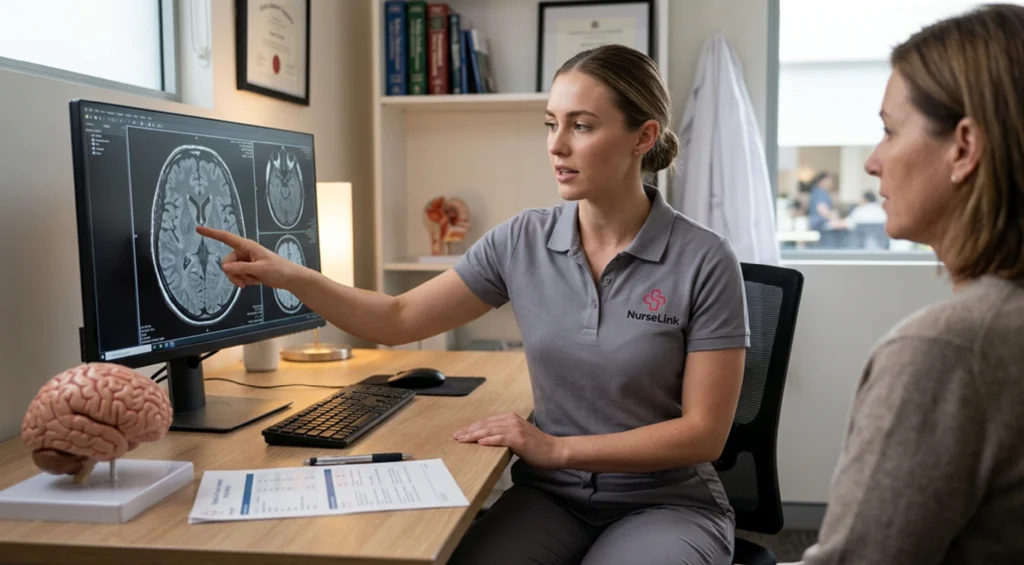
Acquired epilepsy refers to epilepsy that develops later in life due to damage, injury, or changes in the brain, rather than being present from birth or inherited genetically. It occurs when something disrupts the brain’s normal electrical activity after a person is born, leading to recurring seizures. Understanding the causes and recognising the symptoms early can make a real difference in getting the right diagnosis and support, so let’s take a closer look at what acquired epilepsy involves. What Is Acquired Epilepsy? In simple terms, acquired epilepsy is a form of epilepsy that develops as a result of an identifiable event or condition affecting the brain, such as an injury, infection, or illness. When the brain sustains damage, the way nerve cells communicate can be altered, sometimes leading to abnormal electrical activity that triggers seizures. It is worth noting that not everyone who experiences a brain injury, infection, or similar condition will go on to develop epilepsy. The risk depends on factors like the severity of the damage, the area of the brain affected, and individual differences in how the brain responds and heals. How Is Acquired Epilepsy Different From Genetic Epilepsy? Genetic epilepsy is typically linked to inherited gene mutations and often appears earlier in life, sometimes with a family history of seizures. Acquired epilepsy, on the other hand, develops because of an external cause or medical event, and it can occur at any age depending on when the underlying injury or illness takes place. While the seizure symptoms themselves may look similar, understanding the type of epilepsy someone has is important for guiding diagnosis and treatment. 6 Common Causes Of Acquired Epilepsy There are several medical conditions and injuries that can lead to acquired epilepsy. Here are six of the most common causes to be aware of. 1. Traumatic Brain Injury (TBI) Head injuries from falls, car accidents, or sports related impacts are among the most well known causes of acquired epilepsy. When the brain experiences trauma, scar tissue or structural changes can form, which may interfere with normal electrical signalling and increase the likelihood of seizures developing, sometimes months or even years after the initial injury. 2. Stroke Stroke is considered one of the leading causes of acquired epilepsy in adults, particularly older adults. When blood flow to part of the brain is disrupted, brain tissue can become damaged. This damage may create areas of abnormal electrical activity, raising the risk of seizures during recovery or later in life. 3. Brain Infections Infections such as meningitis and encephalitis can cause significant inflammation within the brain. This inflammation can affect how brain cells function and communicate with one another, and in some cases, the resulting damage can lead to the development of epilepsy after the infection has cleared. 4. Brain Tumours Both benign and malignant brain tumours have the potential to trigger seizures. As a tumour grows, it can press on surrounding brain tissue or disrupt normal electrical pathways, which may result in seizure activity even before other symptoms of the tumour become obvious. 5. Lack Of Oxygen To The Brain Events that cause the brain to be deprived of oxygen, such as complications during birth, cardiac arrest, or a near drowning experience, can lead to lasting neurological damage. Depending on how long the brain was without adequate oxygen, this can result in long-term effects, including an increased risk of developing epilepsy. 6. Neurodegenerative Diseases Conditions such as Alzheimer’s disease and other progressive neurological disorders can also contribute to acquired epilepsy. As these conditions cause gradual changes in brain structure and function over time, the risk of seizures tends to increase, particularly in later stages of the disease. Symptoms Of Acquired Epilepsy To Watch For Epilepsy symptoms can vary quite a bit from person to person, largely depending on the type of seizure experienced and which part of the brain is affected. Recognising the signs and symptoms of epilepsy is an important step toward getting timely support. Common Seizure Symptoms Some of the most recognisable seizure symptoms include a loss of consciousness, muscle jerking or stiffness, and blank staring episodes where a person seems unresponsive for a short period. Others may experience confusion or memory lapses, sudden falls without warning, or unusual sensations and involuntary movements that seem to come out of nowhere. Because there are different types of epilepsy, symptoms can present quite differently between individuals. Symptoms Before Or After A Seizure Many people experience warning signs, often referred to as an aura, in the moments leading up to a seizure. This might include unusual sensations, a sense of unease, or changes in vision or smell. After a seizure, it is common to feel fatigued, experience a headache, or have temporary confusion. Some people also notice short-term difficulties with speech or memory as their brain recovers from the seizure activity. When Should You Seek Medical Advice? Anyone experiencing a first-time seizure should seek medical assessment as soon as possible, even if the episode was brief or seemed to resolve quickly on its own. Recurring or unexplained seizures should also be evaluated by a healthcare professional without delay. Early diagnosis plays a significant role in effective management, helping to identify the underlying cause and reduce the risk of further complications. How Acquired Epilepsy Is Diagnosed Diagnosis typically begins with a detailed medical history and a thorough neurological examination. From there, healthcare providers may recommend an electroencephalogram (EEG) to measure the brain’s electrical activity, along with imaging tests such as an MRI or CT scan to check for structural changes, injuries, or other abnormalities that could be contributing to the seizures. Can Acquired Epilepsy Be Managed? While a diagnosis of epilepsy can feel overwhelming at first, it is worth knowing that many people go on to manage the condition successfully with the right care and support in place. Treatment Options Anti-seizure medications are often the first line of treatment and can be highly effective in reducing or preventing seizures for many people. In some cases, surgery may be
8 Ethical Principles Of Nursing In Australia
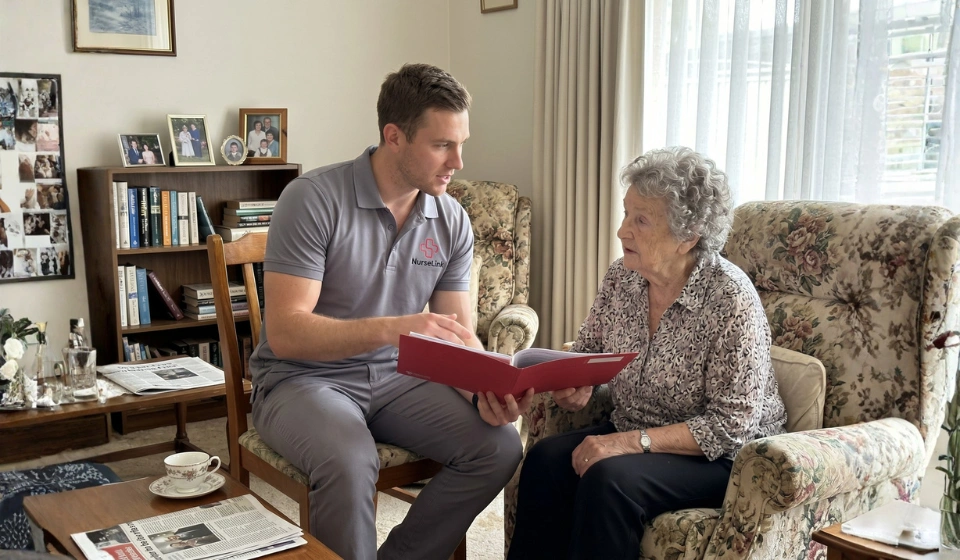
Nursing is built on trust, and trust doesn’t happen by accident. Every interaction a nurse has with a patient, every decision made at the bedside, and every judgement call in a busy ward is shaped by a set of ethical standards that guide the profession as a whole. Ethics in nursing isn’t an abstract concept reserved for textbooks, it’s the foundation that supports safe, respectful, and person-centred care in practice, every single day. In Australia, this foundation is formalised through a nationally recognised nursing code of ethics, one that applies across every setting nurses work in. In this article, we’ll look at what this code involves, why ethical principles in nursing matter so much, and unpack the eight core values that guide nursing practice across the country. What Is The Code Of Ethics For Nurses In Australia? The Code of Ethics for Nurses in Australia sets out the ethical standards that guide professional conduct and decision-making across the nursing profession. It exists to give nurses a clear, shared framework for navigating the complex situations they encounter, helping ensure that care remains safe, respectful, and centred on the person receiving it, regardless of the circumstances involved. This code works alongside the Nursing and Midwifery Board of Australia’s (NMBA) Code of Conduct and broader professional standards, together forming the ethical and professional backbone of nursing practice. Where the Code of Conduct focuses more on professional behaviour and accountability, the Code of Ethics speaks directly to the values that should underpin every decision a nurse makes, reinforcing why nursing ethics in Australia carries such weight across the healthcare system. Who Does The Code Apply To? The code applies broadly across the profession, covering Registered Nurses (RNs), Enrolled Nurses (ENs), and nursing students who are working toward entering the profession. It’s relevant to anyone working within nursing practice, regardless of their specific role, and it applies consistently across every healthcare setting, whether that’s a hospital ward, an aged care facility, a community health service, or a patient’s own home. Why Ethics Matters In Nursing Practice At its core, ethical practice is what allows trust to exist between nurses and the people they care for. Patients and families need to know that the person looking after them is guided by genuine care, honesty, and respect, not just clinical competence. This trust becomes the basis for open communication, cooperation, and ultimately, better health outcomes. Beyond the individual relationship, strong ethical grounding supports care that’s safe, compassionate, and equitable for everyone, regardless of background or circumstance. Nursing is also a profession that regularly involves difficult, sometimes ambiguous situations, and this is where the importance of ethics in nursing practice becomes especially clear. A solid ethical framework gives nurses the tools to navigate these moments thoughtfully, protecting patient rights, dignity, and autonomy along the way. It also reinforces professionalism and accountability more broadly, helping maintain the standard of care the public rightly expects from the nursing profession as a whole. The 8 Core Values Of Nursing Ethics In Australia These eight core values sit at the heart of the nursing code of ethics, shaping how care is delivered across Australia in practical, everyday ways. Valuing Quality Nursing Care For All People This value centres on delivering care that is safe, evidence-based, and genuinely centred on the person receiving it. It also reflects a commitment to continuous improvement, with nurses expected to maintain and build on their professional competence throughout their careers, rather than treating their initial training as the finish line. Valuing Respect & Kindness For Self & Others Respect and compassion sit at the centre of nursing practice, extending to patients, families, and colleagues alike. This value also recognises the importance of respectful professional relationships and, notably, self-care, acknowledging that nurses can only sustain compassionate care for others if they’re also looking after their own wellbeing. Valuing The Diversity Of People Australia’s healthcare system serves an incredibly diverse population, and this value reflects the need to respect cultural, social, religious, and individual differences in every care setting. In practice, this means delivering care that is culturally safe and genuinely inclusive, recognising that quality care looks different depending on the person receiving it. Valuing Access To Quality Nursing & Health Care For All Equity is a core part of ethical nursing, and this value speaks to promoting fair access to healthcare for everyone, regardless of their circumstances. It also involves actively advocating for people who face barriers to care, whether that’s due to location, financial hardship, disability, or other systemic challenges. Valuing Informed Decision-Making Patients have the right to understand their care and make choices about it, and this value supports informed consent and shared decision-making as standard practice. It reinforces the importance of respecting patient autonomy, ensuring individuals are genuinely involved in decisions that affect their own health and treatment. Valuing A Culture Of Safety In Nursing & Health Care Patient safety sits at the centre of this value, with an emphasis on preventing risk before it becomes harm. It also encourages open, honest communication within healthcare teams and a genuine commitment to continuous quality improvement, rather than treating safety as a box to tick. Valuing Ethical Management Of Information Confidentiality and privacy are fundamental to the trust patients place in their healthcare providers. This value focuses on handling health information responsibly and professionally at all times, recognising that how information is managed is itself an ethical responsibility, not just an administrative one. Valuing A Socially, Economically & Ecologically Sustainable Environment Ethical nursing extends beyond the individual patient interaction to consider the bigger picture. This value encourages sustainable healthcare practices and asks nurses to consider the broader social and environmental impact of healthcare decisions, recognising that responsible care today should also support a healthier system for the future. Key Takeaways The Code of Ethics for Nurses in Australia exists to guide professional conduct and support safe, respectful, and person-centred care across every setting nurses work in. The eight core values outlined here, from quality care and
Top 7 Tips For Effective Nursing Management

Stepping into a management role is one of the biggest shifts in a nursing career. You are still responsible for patient care, but now you are also responsible for the people delivering it. Rosters, budgets, recruitment, morale and clinical standards all land on your desk, often at the same time, and the skills that made you an excellent clinician are not always the same ones that make you an excellent leader. The encouraging news is that effective nursing management is a set of skills rather than a personality type. They can be learned, practised and refined over a career. This article explains what nursing management involves, why it matters so much for patients and staff alike, and seven practical tips to help you lead a team well. What Is Nursing Management? Nursing management covers the leadership roles that keep a clinical team and a unit running smoothly. The most familiar example is the nurse unit manager, who sits between frontline nurses and senior leadership and is often the person who sets the daily tone of a ward. Nurse unit manager responsibilities usually include: Organising day to day clinical activities and rosters. Leading, supporting and supervising the nursing team. Managing budgets, resources and equipment. Recruitment, onboarding and performance management. Maintaining clinical standards, safety and compliance. Acting as the link between staff, patients and executive management. In practice, the role is a constant balancing act. A nurse manager is accountable for the quality of care delivered and for the wellbeing of the team delivering it, while also answering to the priorities of the wider organisation. That mix of clinical, operational and people responsibilities is what makes the position so demanding, and so rewarding when it is done well. Why Effective Nursing Management Matters? Strong management is not just an administrative nicety. It shapes how safe, efficient and stable a unit is, and its effects reach every shift. Good nurse managers directly influence: Patient safety and quality of care Team morale and job satisfaction Staff retention, which lowers the cost of turnover and the risk of burnout Communication across shifts and between disciplines The 7 Tips For Effective Nursing Management These tips bring together the nursing leadership skills that make the biggest difference day to day. Lead by example and set clear standards Your team watches what you do far more closely than what you say. If you want punctuality, thorough handovers and patients put first, model those behaviours yourself every shift. Set expectations early and clearly, because standards defined upfront are far easier to maintain than ones you try to enforce after problems appear. Recognising good work matters too. A genuine thank you, or simply acknowledging a job done well, reinforces the culture you are trying to build. Communicate clearly and consistently Given how closely communication is tied to patient safety, this is arguably the core skill of the role. Be specific with your instructions, confirm they have been understood, and never assume a task is complete without checking. A few simple habits help: Ask team members to repeat key instructions back to confirm understanding. Keep shift handovers structured and complete, so nothing critical is lost between teams. Document what has been done rather than relying on memory or assumption. These small disciplines reduce the misunderstandings that quietly cause most errors. Hold your team accountable with constructive feedback Accountability is where many new managers hesitate, but avoiding difficult conversations only allows problems to grow. Address issues promptly while they are still small, keep feedback factual and focused on the behaviour rather than the person, and always explain what good looks like. The goal is to correct and support, not to criticise. Handled with fairness and consistency, accountability builds respect rather than resentment. Stay approachable and trustworthy People do their best work when they feel safe raising concerns. Make it easy for your team to come to you, whether the issue is clinical or personal, and respond with empathy rather than judgement. Remember that problems affecting someone’s work are not always work related, from a bereavement to burnout. Being discreet is just as important. Confidences shared with you should stay with you, and steering well clear of gossip protects the trust your role depends on. Master time management and delegation Two kinds of time management matter here: your own, and your team’s. Prioritise ruthlessly, set realistic time frames, and resist the urge to do everything yourself. If you are constantly time poor, it is usually a sign you are not delegating enough. Delegation is not offloading. It is matching the right task to the right person, so the work is done well and your team grows in the process. That frees you to focus on the bigger improvements only a manager can make. Invest in training and development It can feel quicker to skip proper training during a busy period, but well trained staff save time and reduce errors over the long run. Support nurses who want to upskill, share your knowledge generously, and treat developing people as part of how the whole profession sustains itself. Strong development also feeds retention, since people are far more likely to stay where they feel they are growing. If you enjoy teaching, this is often the most rewarding part of the job. Think critically and manage up Good managers question their own habits, not just their team’s. Look for processes that exist only out of routine and ask whether there is a better way, then test small changes and keep what works. Critical thinking lets you improve how an entire unit operates rather than just your own output. Part of the role is also managing up: advocating for your team and your patients with senior leadership, calmly and with evidence rather than emotion, so the people above you understand what your unit needs. How To Keep Developing As A Nurse Manager No one becomes a confident leader overnight. Learning how to be a good nurse manager is an ongoing process built on experience, reflection