Proper wound care is essential for preventing complications, reducing infection risks, and supporting faster recovery. Whether managing a minor injury, surgical wound, pressure injury, or chronic ulcer, effective treatment plays a major role in protecting overall health and wellbeing. Delayed or poor wound management can lead to pain, infection, tissue damage, and longer recovery times, particularly for elderly individuals or those living with chronic health conditions. Understanding the 5 principles of wound management helps patients, caregivers, and healthcare professionals take a more structured and evidence-based approach to wound healing while ensuring safer and more effective recovery outcomes.
The Importance Of Proper Wound Management
Wound management involves assessing, treating, and monitoring wounds to support safe healing while reducing the risk of infection and long-term complications. Effective care requires a combination of clinical assessment, hygiene practices, appropriate dressings, and ongoing monitoring tailored to the individual’s health condition and type of wound.
Wounds can vary significantly depending on their cause and severity. Acute wounds such as cuts, burns, or surgical incisions often heal within a predictable timeframe, while chronic wounds, including pressure injuries, diabetic ulcers, and venous leg ulcers, may require long-term care and professional intervention. Following the principles of wound management helps healthcare providers create treatment plans that improve healing outcomes and patient comfort.
- Proper wound management involves wound assessment, infection control, moisture balance, treatment selection, and ongoing care.
- Early treatment can reduce complications, improve healing time, and prevent further tissue damage or infection.
- Effective wound care supports patient comfort, mobility, emotional well-being, and overall quality of life.
Many healthcare professionals also follow Australian wound management guidelines and Australian standards for wound prevention and management to ensure wound care practices remain safe, consistent, and evidence-based.
Wound Assessment & Early Identification
Early assessment is one of the most important steps in wound care because it helps identify the severity of the wound and the most appropriate treatment approach. Prompt evaluation also allows healthcare professionals to detect signs of delayed healing or infection before complications become more serious.
- Assessing the wound early helps determine the type, cause, and severity of tissue damage.
- Measuring wound size, depth, colour, and surrounding skin condition supports accurate treatment planning.
- Monitoring swelling, redness, pain, drainage, and odour can help identify infection risks.
- Understanding medical history and underlying health conditions helps guide wound care decisions.
- Seeking professional medical attention is important if wounds become painful, swollen, infected, or fail to heal properly.
Accurate assessment creates the foundation for effective wound treatment and ongoing monitoring throughout the healing process.
Infection Prevention & Wound Cleaning
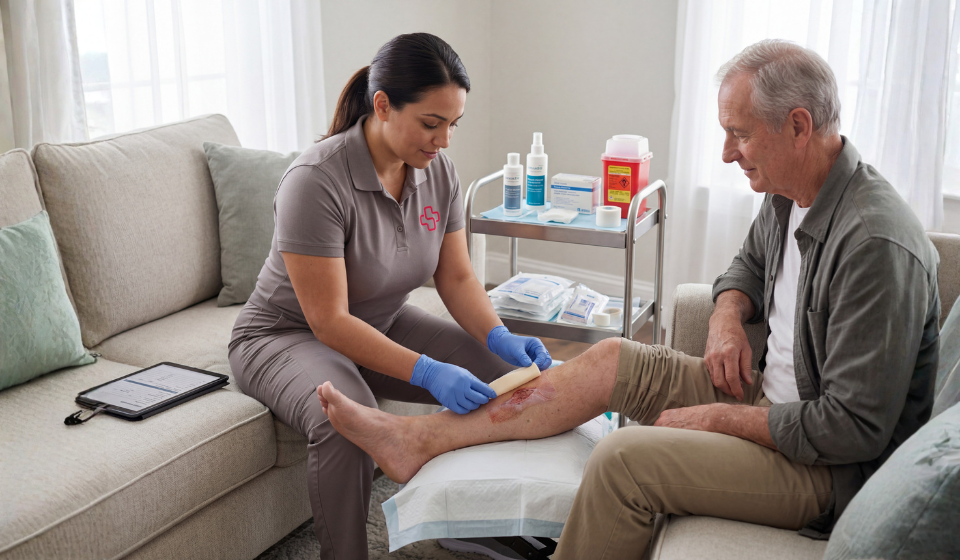
Keeping wounds clean and protected is essential for reducing infection risks and supporting healthy tissue repair. Wounds exposed to bacteria, poor hygiene, or improper dressing changes are more likely to become infected, which can delay healing and increase the risk of serious complications.
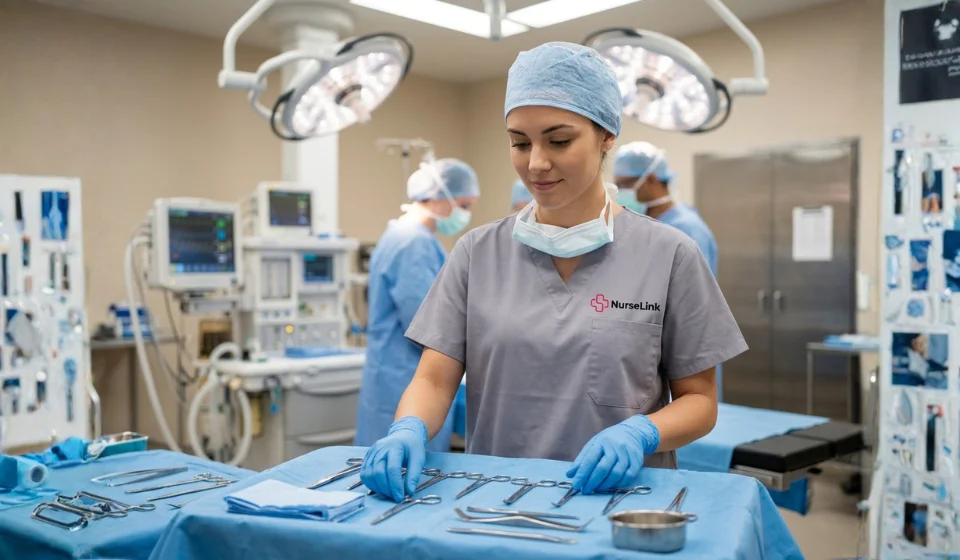
Healthcare professionals use safe cleaning methods and sterile techniques to minimise contamination and protect vulnerable tissue during wound care. Proper hand hygiene, clean equipment, and appropriate wound cleansing solutions all contribute to safer treatment outcomes.
- Cleaning wounds correctly helps remove bacteria, debris, and damaged tissue that may interfere with healing.
- Safe hygiene practices and sterile dressing techniques reduce the risk of wound contamination.
- Redness, swelling, heat, discharge, and increasing pain may indicate early signs of infection.
- Preventing cross-contamination during dressing changes protects both patients and caregivers.
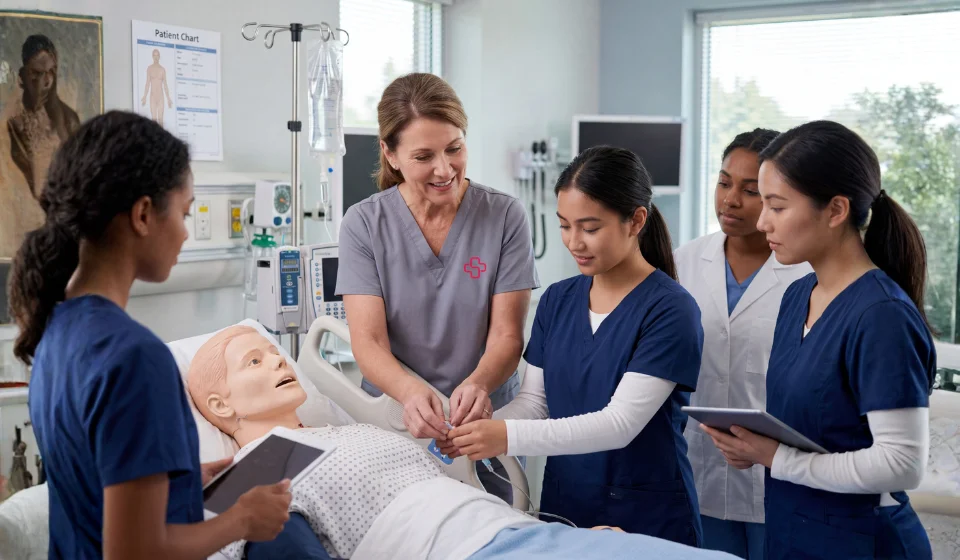
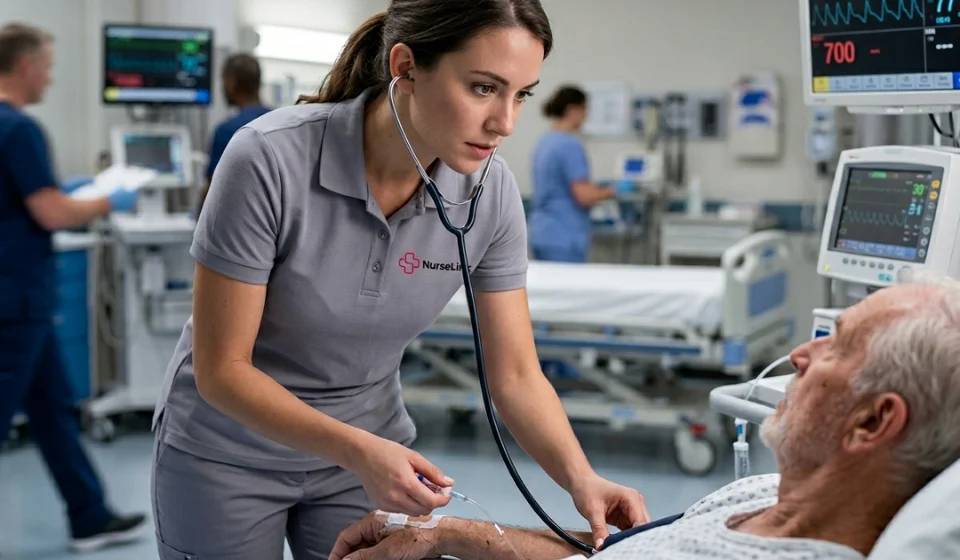
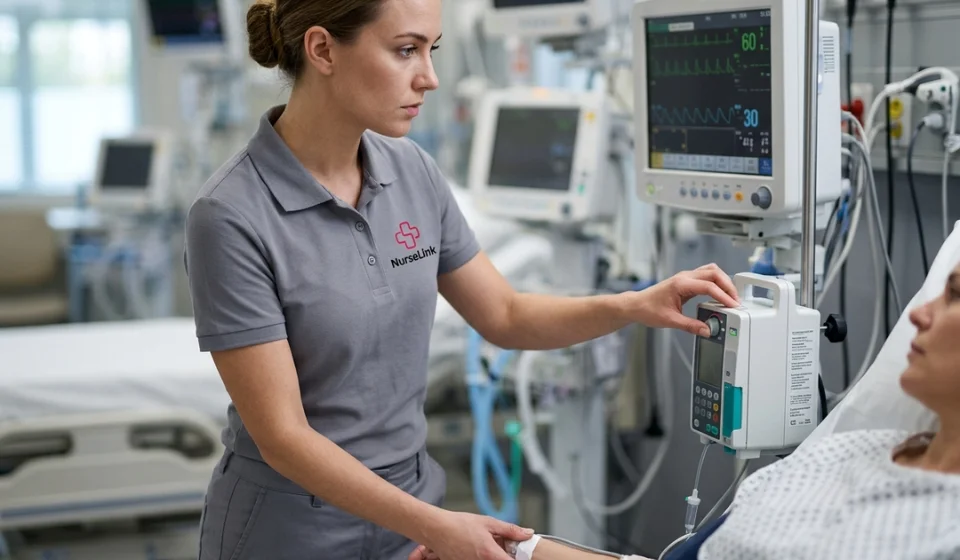
- Nurses and wound care specialists play an important role in monitoring infection risks and maintaining safe wound care practices.
Infection prevention is especially important for individuals with diabetes, weakened immune systems, poor circulation, or chronic medical conditions that may affect healing capacity.
Maintaining Moisture Balance For Healing
Moisture balance is another essential component of modern wound care. Wounds heal more effectively when the environment remains moist enough to support tissue repair without becoming excessively wet or dry.
If a wound becomes too dry, tissue repair may slow down and new skin growth can be disrupted. On the other hand, excessive moisture may damage surrounding skin, increase infection risks, and delay healing. Healthcare professionals carefully monitor wound drainage levels and choose dressings designed to maintain appropriate moisture balance throughout recovery.
- Balanced moisture levels support healthy tissue regeneration and skin repair.
- Dry wounds may crack or heal more slowly due to poor tissue hydration.
- Excessive moisture can damage surrounding skin and increase infection risks.
- Managing wound drainage and exudate helps maintain healthier healing conditions.
- Appropriate moisture balance promotes faster healing and improved patient comfort.
Different wound types require different moisture management strategies, which is why personalised care plans are often necessary for effective treatment.
Choosing The Right Wound Dressing & Treatment
Selecting the correct dressing and treatment approach is essential for protecting the wound while supporting healing. Different dressings are designed for specific wound types, drainage levels, infection risks, and healing stages.
Healthcare professionals assess each wound individually before deciding on the most suitable treatment option. Some wounds may require simple protective dressings, while others may benefit from advanced therapies such as antimicrobial dressings, compression therapy, or specialised wound care products.
- Foam, hydrocolloid, alginate, and antimicrobial dressings are commonly used for different wound types.
- Dressings should be selected according to wound severity, moisture levels, and infection risk.
- Personalised treatment plans help address individual health conditions and healing challenges.
- Advanced wound care therapies may be recommended for chronic or slow healing wounds.
- Nurses and healthcare providers help monitor wound progress and adjust treatment plans when needed.
The correct treatment approach not only improves healing outcomes but also enhances patient comfort and reduces the likelihood of complications.
Monitoring Healing Progress & Ongoing Care
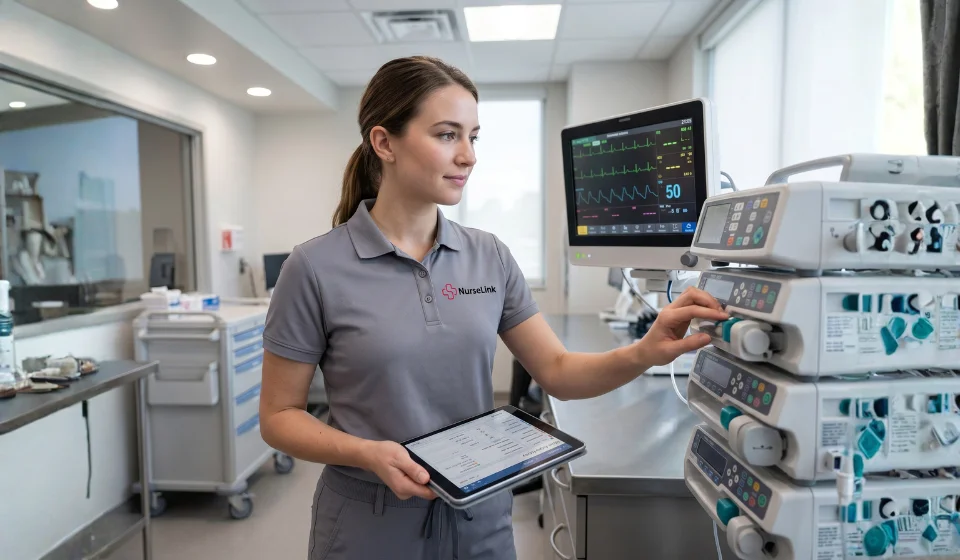
Ongoing monitoring is an important part of wound management because healing progress can change over time. Regular review allows healthcare professionals to identify improvements, detect complications early, and adjust treatment plans if necessary.
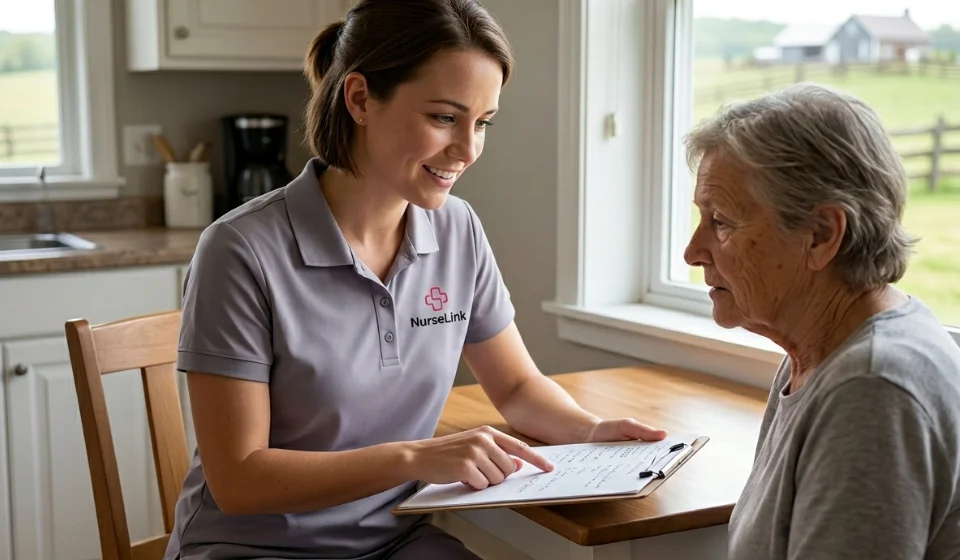
Patients and caregivers also play an important role in supporting recovery through consistent wound care routines, hygiene practices, and follow up appointments. Education about warning signs and proper dressing care can improve healing outcomes and help reduce preventable complications.
- Tracking wound size, colour, drainage, and tissue changes helps measure healing progress.
- Regular dressing changes and follow up care support cleaner and healthier wounds.
- Delayed healing, infection, or increased pain should be addressed as early as possible.
- Long term wound care supports skin integrity, mobility, and overall health outcomes.
- Educating patients and caregivers improves confidence and consistency in wound care routines.
Chronic wounds may require ongoing professional care and monitoring over extended periods, particularly for elderly individuals or those with underlying medical conditions.
Conclusion
Effective wound care requires a consistent and professional approach focused on assessment, infection prevention, moisture balance, appropriate treatment, and ongoing monitoring. Following the 5 principles of wound management helps reduce complications, improve healing outcomes, and support patient comfort throughout recovery. Early intervention and personalised care are especially important for preventing infection and long-term tissue damage. At NurseLink Healthcare, compassionate and evidence-based wound care services are designed to support individuals with safe, professional, and patient-focused healthcare tailored to their unique recovery needs.