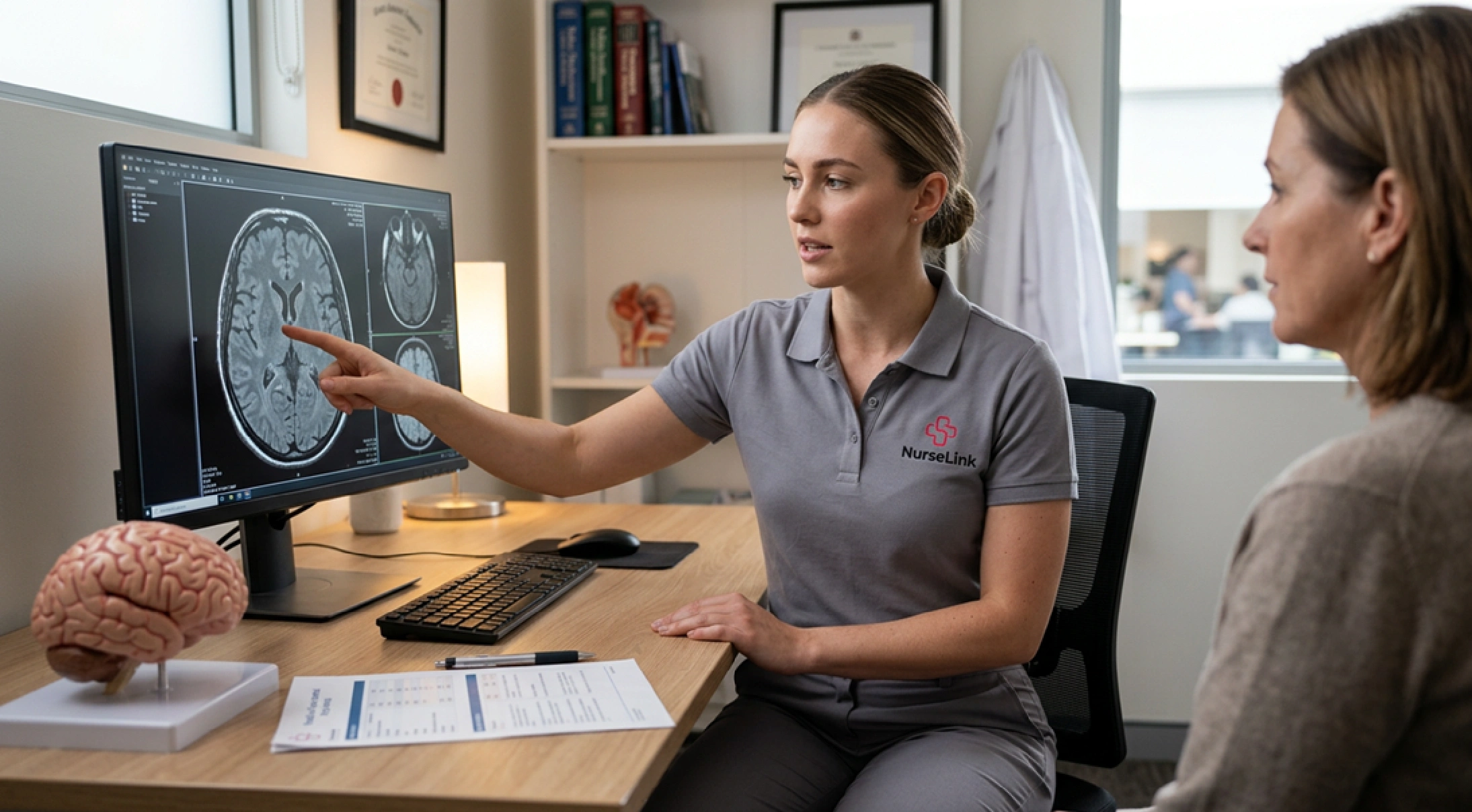
Acquired epilepsy refers to epilepsy that develops later in life due to damage, injury, or changes in the brain, rather than being present from birth or inherited genetically. It occurs when something disrupts the brain’s normal electrical activity after a person is born, leading to recurring seizures. Understanding the causes and recognising the symptoms early can make a real difference in getting the right diagnosis and support, so let’s take a closer look at what acquired epilepsy involves.
What Is Acquired Epilepsy?
In simple terms, acquired epilepsy is a form of epilepsy that develops as a result of an identifiable event or condition affecting the brain, such as an injury, infection, or illness. When the brain sustains damage, the way nerve cells communicate can be altered, sometimes leading to abnormal electrical activity that triggers seizures. It is worth noting that not everyone who experiences a brain injury, infection, or similar condition will go on to develop epilepsy. The risk depends on factors like the severity of the damage, the area of the brain affected, and individual differences in how the brain responds and heals.
How Is Acquired Epilepsy Different From Genetic Epilepsy?
Genetic epilepsy is typically linked to inherited gene mutations and often appears earlier in life, sometimes with a family history of seizures. Acquired epilepsy, on the other hand, develops because of an external cause or medical event, and it can occur at any age depending on when the underlying injury or illness takes place. While the seizure symptoms themselves may look similar, understanding the type of epilepsy someone has is important for guiding diagnosis and treatment.
6 Common Causes Of Acquired Epilepsy
There are several medical conditions and injuries that can lead to acquired epilepsy. Here are six of the most common causes to be aware of.
1. Traumatic Brain Injury (TBI)
Head injuries from falls, car accidents, or sports related impacts are among the most well known causes of acquired epilepsy. When the brain experiences trauma, scar tissue or structural changes can form, which may interfere with normal electrical signalling and increase the likelihood of seizures developing, sometimes months or even years after the initial injury.
2. Stroke
Stroke is considered one of the leading causes of acquired epilepsy in adults, particularly older adults. When blood flow to part of the brain is disrupted, brain tissue can become damaged. This damage may create areas of abnormal electrical activity, raising the risk of seizures during recovery or later in life.
3. Brain Infections
Infections such as meningitis and encephalitis can cause significant inflammation within the brain. This inflammation can affect how brain cells function and communicate with one another, and in some cases, the resulting damage can lead to the development of epilepsy after the infection has cleared.
4. Brain Tumours
Both benign and malignant brain tumours have the potential to trigger seizures. As a tumour grows, it can press on surrounding brain tissue or disrupt normal electrical pathways, which may result in seizure activity even before other symptoms of the tumour become obvious.
5. Lack Of Oxygen To The Brain
Events that cause the brain to be deprived of oxygen, such as complications during birth, cardiac arrest, or a near drowning experience, can lead to lasting neurological damage. Depending on how long the brain was without adequate oxygen, this can result in long-term effects, including an increased risk of developing epilepsy.
6. Neurodegenerative Diseases
Conditions such as Alzheimer’s disease and other progressive neurological disorders can also contribute to acquired epilepsy. As these conditions cause gradual changes in brain structure and function over time, the risk of seizures tends to increase, particularly in later stages of the disease.
Symptoms Of Acquired Epilepsy To Watch For
Epilepsy symptoms can vary quite a bit from person to person, largely depending on the type of seizure experienced and which part of the brain is affected. Recognising the signs and symptoms of epilepsy is an important step toward getting timely support.
Common Seizure Symptoms
Some of the most recognisable seizure symptoms include a loss of consciousness, muscle jerking or stiffness, and blank staring episodes where a person seems unresponsive for a short period. Others may experience confusion or memory lapses, sudden falls without warning, or unusual sensations and involuntary movements that seem to come out of nowhere. Because there are different types of epilepsy, symptoms can present quite differently between individuals.
Symptoms Before Or After A Seizure
Many people experience warning signs, often referred to as an aura, in the moments leading up to a seizure. This might include unusual sensations, a sense of unease, or changes in vision or smell. After a seizure, it is common to feel fatigued, experience a headache, or have temporary confusion. Some people also notice short-term difficulties with speech or memory as their brain recovers from the seizure activity.
When Should You Seek Medical Advice?
Anyone experiencing a first-time seizure should seek medical assessment as soon as possible, even if the episode was brief or seemed to resolve quickly on its own. Recurring or unexplained seizures should also be evaluated by a healthcare professional without delay. Early diagnosis plays a significant role in effective management, helping to identify the underlying cause and reduce the risk of further complications.
How Acquired Epilepsy Is Diagnosed
Diagnosis typically begins with a detailed medical history and a thorough neurological examination. From there, healthcare providers may recommend an electroencephalogram (EEG) to measure the brain’s electrical activity, along with imaging tests such as an MRI or CT scan to check for structural changes, injuries, or other abnormalities that could be contributing to the seizures.
Can Acquired Epilepsy Be Managed?
While a diagnosis of epilepsy can feel overwhelming at first, it is worth knowing that many people go on to manage the condition successfully with the right care and support in place.
Treatment Options
Anti-seizure medications are often the first line of treatment and can be highly effective in reducing or preventing seizures for many people. In some cases, surgery may be considered if seizures are linked to a specific, identifiable area of the brain and medication alone is not sufficient. Alongside medical treatment, lifestyle adjustments, such as maintaining a consistent sleep routine and managing stress, can also play a role in seizure management. Ongoing neurological care and regular check-ins with a healthcare provider help ensure that treatment remains effective over time and can be adjusted as needed.
Final Thoughts
Acquired epilepsy can develop as a result of several different causes, from traumatic brain injury and stroke to infections, tumours, oxygen deprivation, and neurodegenerative disease. Recognising the symptoms, whether it is a loss of consciousness, unusual movements, or changes before and after a seizure, is an important part of getting timely support. If you or someone you know experiences a first seizure or recurring unexplained episodes, it is important to seek medical advice promptly. Working closely with healthcare professionals allows for accurate diagnosis, appropriate treatment, and ongoing management, helping individuals and families feel more informed and supported along the way.