
Night Shift Vs Day Shift: Which Work Schedule Is Right for You?

Choosing the right work schedule can have a lasting impact on your health, wellbeing, and overall career satisfaction, yet it’s often a decision made without much thought. Across industries such as healthcare, hospitality, manufacturing, and emergency services, both day shifts and night shifts play essential roles in keeping operations running smoothly. While day shifts tend to align with traditional routines, night shifts offer their own set of advantages and challenges that suit different lifestyles. In this article, we’ll break down the key factors that influence the best shift choice, covering everything from health and productivity to income potential and work life balance, so you can make a decision that genuinely works for you. What Are Day Shifts & Night Shifts? Day shifts typically run during standard business hours, often starting anywhere between 6 am and 9 am and finishing in the late afternoon or early evening. These hours align closely with the natural rhythm of daily life, making them the most common schedule across many industries. Night shifts, on the other hand, generally begin in the evening and run through to early morning, often spanning from around 9pm to 7am, covering the hours when most people are asleep. Both shift types are essential across a wide range of sectors. Healthcare facilities rely on round the clock staffing, hospitality venues need overnight cover for guests, manufacturing plants often run continuous production lines, and emergency services must be available at all hours. The responsibilities, workplace environment, and staffing levels can differ significantly between the two, with night shifts often involving smaller teams and a quieter atmosphere. Day shifts usually fall within standard business hours, generally between early morning and early evening. Night shifts typically cover overnight hours, often starting in the evening and ending in the early morning. Industries such as healthcare, hospitality, manufacturing, and emergency services commonly require both shift types. Staffing levels are often higher during the day, while night shifts may run with leaner teams and reduced supervision. Many workplaces also offer rotating or flexible shifts, allowing employees to alternate between day and night schedules over time. The Benefits & Challenges Of Working Day Shifts For many people, day shifts feel like the more natural choice simply because they align with the body’s internal clock. Working during daylight hours supports a healthy sleep wake cycle, which can make it easier to maintain energy levels and overall wellbeing. Day shifts also tend to offer more opportunities to stay connected with family, friends, and the wider community. That said, day shifts come with their own set of challenges. Peak hour traffic, busier workplaces, and a higher volume of meetings or interruptions can sometimes make it harder to focus on individual tasks. Despite this, day shifts remain a popular choice for those who value routine and social connection. Working during the day supports natural sleep patterns, helping maintain consistent energy and alertness. Day shifts make it easier to spend time with family, attend social events, and access services like banks, schools, and medical appointments. Being present during standard hours often improves communication and collaboration with colleagues and management. Common challenges include peak traffic congestion, busier work environments, and frequent interruptions or distractions. Day shifts tend to suit people who thrive on routine, value social interaction, and prefer aligning their work hours with everyday life. The Pros & Cons Of Working Night Shifts Night shifts come with a unique mix of benefits and drawbacks that don’t suit everyone, but can be a great fit for the right person. One of the most appealing aspects is shift loading, which often means higher pay rates for working unsociable hours. Night shifts can also offer a quieter, less interrupted work environment and greater flexibility for those managing daytime commitments such as study or family care. Shift loading often results in higher pay, along with potential benefits like reduced commute times due to lighter traffic. Quieter workplaces with fewer distractions can suit people who prefer working independently or with minimal interruptions. Sleep disruption and changes to the body’s circadian rhythm are among the most significant challenges of night work. Long term night shift work can affect physical health, mental wellbeing, and the ability to maintain an active social life. Managing fatigue and staying alert throughout overnight hours often requires deliberate strategies, and night shifts tend to suit night owls, students, or those with daytime responsibilities. Key Factors To Consider Before Choosing A Shift Deciding between a day shift and a night shift ultimately comes down to understanding your own needs and priorities. From health considerations to financial goals, there are several factors worth weighing up before committing to a particular schedule, especially if you’re comparing day shift vs night shift hours for the first time. Consider your personal health, including how well you sleep and how your body responds to different schedules. Think about family responsibilities and how each shift type might affect time with loved ones. Factor in your career goals, including opportunities for advancement and potential pay differences between shifts. Consider your commute, the workplace culture, and the physical or mental demands of the job itself. Reflect on your ability to adapt to changing or rotating schedules, particularly if flexibility is required in your role. Practical Tips For Staying Healthy & Productive On Any Shift Regardless of which schedule you choose, there are practical steps you can take to support your health and productivity. Establishing a consistent sleep routine, even on days off, helps regulate your body clock and improve sleep quality. Eating balanced meals at regular intervals and staying hydrated throughout your shift can also make a noticeable difference to your energy levels and concentration. Incorporating regular physical activity, even short walks or stretches during breaks, can help combat fatigue and improve mood. Managing stress through relaxation techniques and setting clear boundaries between work and personal time supports a healthier work life balance. Using strategic breaks, dimming lights before sleep, and creating a restful sleep environment are all simple but effective ways to
Tips On Preparing Your Workplace For Flu Season
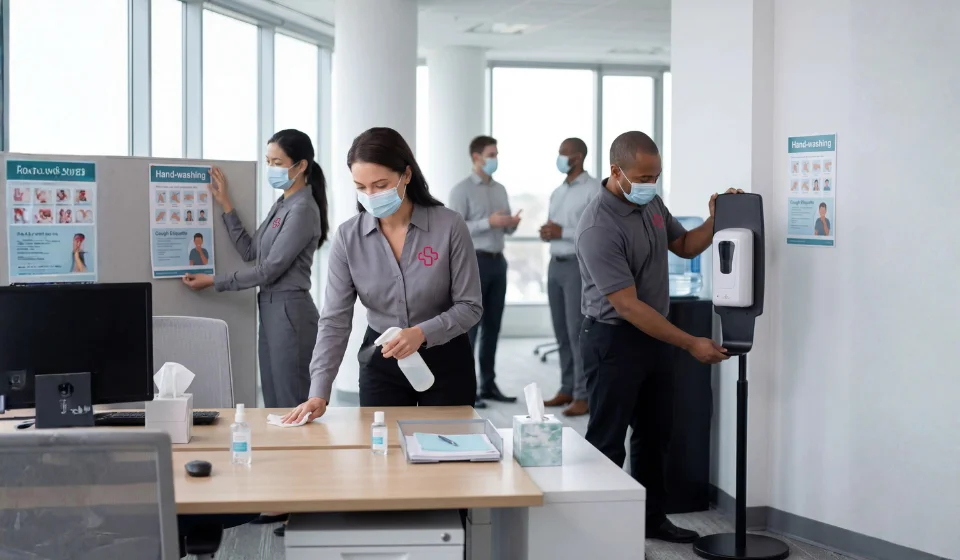
Flu season has a way of creeping into workplaces before most businesses are fully prepared for it. What begins with a few employees feeling slightly unwell can quickly turn into widespread absenteeism, reduced productivity and lower team morale across the organisation. Every year, Australian workplaces experience disruptions caused by seasonal influenza, particularly in industries where employees work closely together or interact directly with the public. Preparing early is far more effective than trying to manage outbreaks once they spread through the workplace. This guide explores practical strategies businesses can implement to improve flu prevention in the workplace, protect employees and minimise operational disruption throughout flu season. Recognising The Early Warning Signs Of Flu Early detection is one of the most important steps in reducing the spread of illness within any workplace. Influenza spreads quickly in shared environments, often before employees realise they are contagious. Open plan offices, communal kitchens, shared equipment and close interactions create ideal conditions for viruses to move rapidly between team members. Understanding the difference between a common cold and influenza is particularly important in workplace settings. While colds tend to develop gradually with milder symptoms, the flu usually appears suddenly and causes more severe fatigue, fever and body aches that can significantly affect a person’s ability to work safely and effectively. Symptoms To Watch For In Your Team Classic flu symptoms often include sudden fever, chills, muscle aches, exhaustion, headaches, sore throat and respiratory symptoms such as coughing or congestion. Unlike a mild cold, influenza can leave employees feeling physically drained for several days or longer. Many employees attempt to push through early symptoms and continue working, especially during busy periods. Unfortunately, this often increases the risk of infecting colleagues before symptoms fully develop. People with influenza may be contagious both before symptoms appear and for several days afterwards, making early action critical. Creating a workplace culture where employees feel comfortable reporting symptoms and staying home when unwell is one of the most effective flu season tips workplace leaders can implement. Staff should never feel pressured to attend work while sick out of fear of falling behind or disappointing management. Practical Steps To Boost Hygiene & Prevent Spread Workplace hygiene is one of the most immediate and controllable factors in reducing illness transmission. Shared workstations, communal spaces and poor airflow can all contribute to the rapid spread of viruses if preventative measures are not consistently maintained. Successful cold and flu prevention in the workplace relies on shared responsibility between employers and employees. Businesses can provide the right tools and systems, while staff members play an equally important role in maintaining healthy habits and workplace hygiene standards. Hygiene Measures Worth Implementing Now Providing hand sanitiser stations throughout the workplace is a simple but highly effective measure. Entrances, reception areas, meeting rooms, kitchens and shared desks should all have easily accessible sanitising products available for employees and visitors. High-touch surfaces such as keyboards, phones, door handles, lift buttons and shared equipment should be cleaned and disinfected regularly, particularly during peak flu periods. Improving ventilation and airflow in enclosed environments can also help reduce airborne transmission risks. Clear signage encouraging regular handwashing can reinforce healthy habits throughout the workplace. Accessible handwashing facilities stocked with soap and paper towels are equally important. Businesses should also ensure tissues and personal protective equipment, where relevant, can be disposed of safely and hygienically. Vaccination Policies: Encouraging Your Team To Get Protected Vaccination remains one of the most effective strategies for reducing the impact of influenza within workplaces. While no vaccine can guarantee complete protection, flu vaccinations significantly lower the likelihood of severe illness, workplace outbreaks and extended absences. The approach businesses take towards vaccination also matters. Encouraging vaccination through education and accessibility is often more effective than enforcing rigid mandates. Employees are more likely to participate when workplace culture supports informed decision making rather than pressure or judgement. How To Build A Pro-Vaccination Workplace Offering on site flu vaccination clinics or subsidising vaccine costs can make participation easier and more convenient for employees. Small accessibility improvements often lead to much higher vaccination uptake across teams. Communication is equally important. Employers should provide clear, factual information about vaccine safety, effectiveness and workplace benefits. Addressing common concerns openly helps reduce misinformation and hesitation. Leadership also plays a strong role in shaping workplace attitudes. When managers and senior staff actively participate in workplace vaccination programs, employees are often more likely to follow their example. Businesses should also respect individual choices while continuing to make vaccination opportunities easily available. Partnering with occupational health providers or nursing services can help businesses organise professional workplace vaccination programs efficiently and safely. Managing Sick Leave & Staff Absences Without Disruption Even the most prepared organisations will experience some level of flu related absence during peak seasons. What matters most is how effectively workplaces plan for and manage these disruptions before they occur. A clear and well communicated sick leave policy becomes especially important during flu season. Employees should fully understand when to stay home, how to report illness and what support is available to them. Encouraging sick employees to rest at home is not only beneficial for recovery but also protects the wider team from unnecessary exposure. Presenteeism, where employees attend work despite being unwell, can often create greater productivity losses than temporary absences. Ill employees may struggle to perform effectively while also increasing the risk of workplace wide illness outbreaks. Practical Absence Management Strategies Businesses should review sick leave entitlements and communicate policies clearly before flu season begins. Uncertainty around leave arrangements can discourage employees from taking necessary time off when ill. Cross training staff is another valuable strategy because it reduces dependence on single employees for critical tasks. Flexible work arrangements and remote work options can also help employees continue working safely where operationally appropriate. Organisations should develop contingency plans for key positions in case multiple staff members become unavailable simultaneously. In healthcare, aged care and support service industries, casual or agency staff can play an important role
How To Become A Travel Nurse In Australia
Demand for travel nurses is rising steadily across Australia, driven by ongoing staffing needs in hospitals, aged care, and regional communities that struggle to fill permanent roles. For many nurses, the appeal is obvious. Travel nursing combines the security of a respected profession with the freedom to work in new places, meet new teams, and broaden clinical experience along the way. It is becoming a popular choice for those who want variety without sacrificing career progression. This guide walks through what the role involves, the qualifications and registration you will need, the skills that help you thrive, and the practical steps to get started. What Is Travel Nursing? Travel nursing is a flexible style of work where qualified nurses take on temporary placements rather than a single fixed position. It opens up parts of the country and parts of the profession that a permanent role rarely would. Understanding The Role A travel nurse is a registered or enrolled nurse who works on short-term contracts, typically ranging from a few weeks to several months, before moving on to a new assignment. These placements can occur across a wide range of healthcare settings, including public and private hospitals, aged care facilities, community health services, and remote clinics. The work itself mirrors standard nursing duties, but the setting changes regularly, keeping each contract fresh. How It Differs From Permanent Nursing The clearest difference is the temporary nature of the work. Rather than committing to one employer, travel nurses move between placements, which brings far greater flexibility in both location and schedule. Many work through nursing agencies that match them with suitable contracts, handle much of the administration, and connect them with facilities that need experienced staff quickly. Understanding how does travel nursing work in practice usually comes down to this agency relationship, which sits at the centre of most travel nursing careers. Why Choose A Career As A Travel Nurse? There are plenty of reasons nurses are drawn to this path. Beyond the change of scenery, travel nursing offers real professional and personal advantages. Explore Different Work Environments Working across diverse hospitals and healthcare facilities exposes you to different patient populations, equipment, and ways of operating. Moving between rural, regional, and metropolitan settings builds a breadth of experience that is hard to gain in a single workplace and makes you a more versatile clinician. Career Growth & Professional Development Each new assignment is a chance to expand your clinical skills and explore different specialties. Over time, this builds a varied and impressive professional portfolio, which can strengthen your prospects whether you stay in travel nursing or return to a permanent role later. Flexibility & Lifestyle Benefits Few nursing pathways offer this much control over your schedule. You can choose when and where you work, take breaks between contracts, and effectively travel while advancing your career. For those who value lifestyle as much as income, the appeal is significant. Competitive Pay & Incentives Some assignments, particularly in hard-to-staff or remote locations, come with higher earning potential. Depending on the contract, you may also receive travel allowances or accommodation support, which can make certain placements both rewarding and financially worthwhile. Requirements To Become A Travel Nurse In Australia Before you can take on assignments, there are a few essential boxes to tick. Meeting the travel nurse requirements early makes the rest of the journey far smoother. Obtain The Right Nursing Qualification The foundation of any nursing career is an accredited qualification. This means completing a recognised nursing degree or diploma and becoming either a Registered Nurse or an Enrolled Nurse. These travel nurse qualifications are the same credentials required for permanent nursing, so most nurses already hold them before considering travel work. Meet Registration Requirements You must hold current registration with the Nursing and Midwifery Board of Australia through AHPRA, and keep it in good standing. Maintaining professional standards, completing continuing professional development, and meeting compliance obligations are all part of remaining eligible to practise anywhere in the country. Gain Clinical Experience Agencies and facilities generally look for nurses who can hit the ground running. Building solid hands-on experience in hospital or healthcare settings, and developing confidence in independent practice, prepares you for the quick adjustments that travel placements demand. Complete Essential Checks & Certifications Most roles require a current police check, up-to-date vaccinations, valid CPR certification, and completion of mandatory training. You will also need to confirm your working rights and satisfy any additional employer requirements before starting a contract. Step-By-Step Guide To Becoming A Travel Nurse With the requirements in mind, the path forward becomes clear. These steps to become a travel nurse turn the goal into a manageable sequence. Step 1: Complete Your Nursing Education Begin by earning recognised qualifications through an accredited program and finishing the required clinical placements. This stage gives you the credentials and the supervised experience that underpin everything that follows. Step 2: Gain Practical Experience Spend time working in a clinical setting to strengthen your core nursing competencies. A period in permanent or contract work helps you build the confidence and judgement that travel assignments rely on. Step 3: Prepare Your Credentials Update your resume and certifications, and gather your references and required documents. Having a complete, well-organised profile ready makes you far more attractive to agencies and speeds up the matching process. Step 4: Partner With A Nursing Agency Apply for travel nursing opportunities through a reputable agency. They will help match you with suitable contracts and locations, which is often the simplest way to understand how to find travel nurse jobs that fit your skills and preferences. Step 5: Accept Assignments & Continue Learning Once you begin accepting placements, focus on adapting to each new workplace and absorbing everything you can. Every contract builds experience and gradually expands your career opportunities. Skills Every Travel Nurse Needs Technical ability is only part of the picture. The nurses who flourish in travel roles tend to share a particular set of strengths. Clinical Competence Above all, you
Current & Emerging Midwifery Trends

Midwifery has been an essential part of maternal healthcare for centuries, supporting women through pregnancy, childbirth, and the early stages of parenthood. While the profession has deep historical roots, modern maternity care has evolved significantly through research, technology, and evidence-based practice. Today, changing healthcare needs have expanded the role of midwives beyond labour and birth, allowing them to provide more personalised, collaborative, and holistic care that supports healthier outcomes for both mothers and babies. Why Modern Midwifery Is More Personalised Than Ever One of the most significant developments in maternity care is the move towards individualised support. Rather than following a one-size-fits-all approach, modern midwifery focuses on understanding each woman’s unique circumstances, preferences, and healthcare needs throughout pregnancy and birth. Woman-Centred Care At the heart of modern midwifery is woman-centred care. This approach recognises that every pregnancy is different and that women should play an active role in decisions about their maternity care. Midwives work closely with expectant mothers to understand their preferences, discuss birth plans, and provide clear, evidence-based information that supports informed decision-making. Rather than directing care, they encourage open conversations that allow women to ask questions, express concerns, and make choices that align with their personal values and medical needs. Shared decision-making also strengthens communication between healthcare professionals and families. By involving women throughout pregnancy, labour, and postnatal care, midwives help create positive birth experiences built on trust, respect, and confidence. Individualised Pregnancy & Birth Support Modern maternity care increasingly recognises that every pregnancy presents different opportunities and challenges. Factors such as existing medical conditions, previous pregnancies, cultural background, family circumstances, and personal preferences all influence the type of support required. Midwives tailor their care accordingly, ensuring each woman receives appropriate guidance throughout her pregnancy journey. For women experiencing low-risk pregnancies, midwives often provide comprehensive antenatal care while promoting healthy pregnancies and normal birth where appropriate. For women with higher-risk pregnancies, midwives collaborate closely with obstetricians and other healthcare professionals to ensure additional monitoring and specialist care are available when needed. This flexible approach reflects many of the positive current trends in midwifery, where personalised care is becoming central to improving maternal outcomes. Building Trust Through Continuity Of Care Continuity of care has become one of the most valued models within modern maternity services. Rather than meeting different healthcare professionals at every appointment, many women now have the opportunity to see the same midwife or small team throughout pregnancy, birth, and postnatal care. This consistency allows stronger relationships to develop over time. Midwives gain a deeper understanding of each woman’s medical history, preferences, and concerns, while expectant parents become more comfortable asking questions and discussing sensitive issues. Research continues to show that continuity of care can improve communication, increase confidence, reduce anxiety, and contribute to more positive birth experiences for many women. The Biggest Trends Influencing Midwifery Today Healthcare continues to evolve rapidly, and maternity services are adapting alongside it. Several important developments are shaping how midwives deliver care while improving accessibility, safety, and patient experience. Greater Use Of Technology In Maternity Care Technology has become an increasingly valuable part of maternity care without replacing the personal relationships that remain central to midwifery. Telehealth consultations now allow many women to attend suitable antenatal appointments from home when clinically appropriate, improving access for families living in rural or regional communities or those with busy schedules. Digital fetal monitoring provides healthcare professionals with more accurate information about a baby’s wellbeing during labour, while electronic health records improve communication between hospitals, GPs, specialists, and community healthcare providers. Mobile applications and online pregnancy education platforms have also become valuable resources. Expectant parents can access reliable information about fetal development, nutrition, exercise, labour preparation, breastfeeding, and newborn care from trusted healthcare sources whenever they need it. These technological advances represent important midwifery trends that enhance care while maintaining a strong focus on safety and personalised support. A Stronger Focus On Preventive & Holistic Care Modern midwifery extends far beyond monitoring pregnancy alone. There is growing recognition that overall health before, during, and after pregnancy significantly influences outcomes for both mother and baby. Midwives now place greater emphasis on health education, helping women understand nutrition, physical activity, sleep, smoking cessation, alcohol avoidance, and emotional wellbeing throughout pregnancy. Mental health has also become an important focus area. Midwives routinely discuss emotional wellbeing, screen for anxiety and depression where appropriate, and provide referrals for additional support when needed. Preventive care also includes identifying pregnancy complications as early as possible. Regular assessments allow healthcare teams to detect concerns such as gestational diabetes, high blood pressure, fetal growth issues, or other medical conditions before they become more serious. Improved Collaboration Across Healthcare Teams Today’s maternity care relies on strong collaboration between multiple healthcare professionals. Midwives work alongside obstetricians, general practitioners, nurses, lactation consultants, physiotherapists, dietitians, social workers, mental health professionals, and other allied health practitioners to provide coordinated care. This multidisciplinary approach is particularly valuable for women managing complex pregnancies or existing medical conditions. Each healthcare professional contributes specialised expertise while ensuring care remains well coordinated throughout pregnancy, birth, and the postnatal period. Improved communication across healthcare teams reduces unnecessary delays, supports informed decision-making, and creates more comprehensive care plans tailored to individual needs. Growing Emphasis On Cultural Safety & Inclusive Care Australia’s diverse population highlights the importance of culturally safe maternity care. Modern midwives receive increasing education on providing respectful care that recognises cultural beliefs, traditions, languages, and individual preferences throughout pregnancy and childbirth. Providing culturally appropriate maternity services helps improve communication, build trust, and encourage greater engagement with healthcare services among women from diverse backgrounds. Inclusive care also involves respecting different family structures, supporting women with disabilities, and ensuring maternity services remain accessible to everyone regardless of their personal circumstances. The Expanding Role Of Midwives Beyond Childbirth Although many people associate midwives primarily with labour and delivery, their responsibilities now extend well beyond the birth itself. Modern midwives provide continuous support throughout pregnancy, childbirth, postnatal recovery, and early parenting, helping families navigate each stage
The Growing Trend Of Locum Doctors In Australia

The way doctors work in Australia is changing rapidly. More healthcare professionals are moving away from traditional long-term employment models and exploring flexible career pathways that offer greater autonomy and work-life balance. What was once considered a niche staffing arrangement has now become a mainstream option across hospitals, clinics and healthcare facilities nationwide. The growing demand for locum doctors reflects broader changes within the Australian healthcare system, including workforce shortages and evolving expectations around career flexibility. This guide explores the growing trend of locum doctors in Australia, including how locum work operates, why demand is increasing, the benefits and challenges involved, and what healthcare facilities should know when sourcing locum professionals. What Exactly Is A Locum Doctor? A locum doctor is a fully qualified medical professional who temporarily fills positions in hospitals, clinics, aged care facilities or healthcare practices when permanent staff are unavailable. The locum doctor meaning comes from the phrase “locum tenens,” which means “to hold the place of” in Latin. Locum arrangements are designed to provide short-term medical coverage during staff leave, workforce shortages, seasonal demand increases or recruitment gaps. Unlike permanent employment, locum work is contract-based and can range from a single shift to several months depending on the healthcare facility’s needs. Locum doctors work across a wide variety of specialties and healthcare environments, including general practice, emergency medicine, rural healthcare, aged care and specialist services. Locum vs Permanent Employment – Key Differences One of the biggest differences between locum and permanent employment is flexibility. Locum doctors often have greater control over when, where and how much they work, while permanent positions usually offer more predictable income, leave entitlements and long-term job security. Pay structures also differ significantly. Many healthcare professionals ask, do locum doctors get paid more, and in many cases, they do receive higher hourly or daily rates to compensate for the temporary nature of the work and lack of employment benefits. Day-to-day responsibilities can vary depending on the setting, with some locums covering short-term staffing gaps while others support regional healthcare services for extended periods. What’s Driving The Rise Of Locum Work In Australia? Australia’s healthcare system is facing increasing pressure from workforce shortages, rising patient demand and an ageing population requiring more complex care services. At the same time, many doctors are rethinking traditional career structures and prioritising flexibility, wellbeing and work-life balance more than previous generations. Regional and rural communities across Australia continue to experience critical shortages of GPs and specialist healthcare professionals, creating strong demand for locum staffing support. Younger doctors are also becoming more open to flexible career arrangements that allow greater control over schedules and lifestyle choices. These changing attitudes are contributing significantly to the growing popularity of locum work nationwide. Key Factors Fuelling The Growth Doctor burnout has become a major concern across the healthcare industry, particularly following the increased pressures experienced during and after the pandemic. Locum work provides an opportunity for doctors to reduce workload intensity, take breaks between contracts and create more balanced schedules. The shortage of medical professionals in rural and remote Australia has also accelerated the need for locum support. Many healthcare facilities rely heavily on locum doctors to maintain continuity of care in areas where permanent recruitment remains difficult. Post-pandemic changes have further reshaped how healthcare professionals view employment. Many doctors now value flexibility and mobility more highly than long-term workplace stability. At the same time, locum work has become increasingly normalised and respected within the medical profession, making it a more attractive option for both early-career and experienced practitioners. The Benefits For Doctors & Healthcare Facilities Locum work has become an appealing solution for both healthcare professionals and medical facilities because it offers practical advantages on both sides. For doctors, it creates greater career flexibility and financial opportunities. For healthcare organisations, it helps maintain staffing continuity during periods of workforce shortage or increased demand. Benefits For Doctors One of the biggest attractions of locum work is the freedom it provides. Doctors can choose contracts based on preferred locations, schedules and workloads, giving them greater control over their professional and personal lives. Locum positions also allow doctors to gain diverse clinical experience by working across different healthcare settings and communities. This exposure can strengthen clinical skills, expand professional networks and provide broader insight into healthcare delivery across Australia. Financially, locum work can be highly rewarding. Many doctors researching how much do locum doctors earn in Australia discover that rates can vary significantly depending on specialty, location and demand. Rural and remote placements often offer particularly competitive pay rates and additional incentives such as accommodation or travel allowances. For many healthcare professionals, locum work also creates opportunities to travel, explore regional Australia and maintain a healthier work-life balance without committing to a permanent position. Benefits For Healthcare Facilities Healthcare facilities benefit from locum staffing because it allows them to respond quickly to workforce shortages, staff leave and fluctuating patient demand. Access to qualified locum professionals helps maintain continuity of care and reduce pressure on existing permanent staff. Locum arrangements can also be more cost-effective than prolonged recruitment processes for permanent roles, particularly in hard-to-staff regional areas. Facilities gain access to a broader network of experienced medical professionals without long-term employment commitments. Challenges & Considerations To Keep In Mind While locum work offers many benefits, it also comes with practical and professional challenges that both doctors and healthcare organisations should carefully consider. Success in locum staffing depends heavily on preparation, communication and realistic expectations from all parties involved. For Doctors Doctors considering locum work must navigate registration, credentialing and insurance requirements carefully before accepting placements. A common question is, is a locum doctor is fully qualified, and the answer is yes. Locum doctors must hold appropriate medical qualifications, current AHPRA registration and meet the same professional standards as permanent practitioners. One challenge of locum work is the limited continuity of patient care and reduced opportunity to build long-term patient relationships. Managing irregular income, tax obligations, and superannuation independently can also require additional
5 Principles Of Wound Management

Proper wound care is essential for preventing complications, reducing infection risks, and supporting faster recovery. Whether managing a minor injury, surgical wound, pressure injury, or chronic ulcer, effective treatment plays a major role in protecting overall health and wellbeing. Delayed or poor wound management can lead to pain, infection, tissue damage, and longer recovery times, particularly for elderly individuals or those living with chronic health conditions. Understanding the 5 principles of wound management helps patients, caregivers, and healthcare professionals take a more structured and evidence-based approach to wound healing while ensuring safer and more effective recovery outcomes. The Importance Of Proper Wound Management Wound management involves assessing, treating, and monitoring wounds to support safe healing while reducing the risk of infection and long-term complications. Effective care requires a combination of clinical assessment, hygiene practices, appropriate dressings, and ongoing monitoring tailored to the individual’s health condition and type of wound. Wounds can vary significantly depending on their cause and severity. Acute wounds such as cuts, burns, or surgical incisions often heal within a predictable timeframe, while chronic wounds, including pressure injuries, diabetic ulcers, and venous leg ulcers, may require long-term care and professional intervention. Following the principles of wound management helps healthcare providers create treatment plans that improve healing outcomes and patient comfort. Proper wound management involves wound assessment, infection control, moisture balance, treatment selection, and ongoing care. Early treatment can reduce complications, improve healing time, and prevent further tissue damage or infection. Effective wound care supports patient comfort, mobility, emotional well-being, and overall quality of life. Many healthcare professionals also follow Australian wound management guidelines and Australian standards for wound prevention and management to ensure wound care practices remain safe, consistent, and evidence-based. Wound Assessment & Early Identification Early assessment is one of the most important steps in wound care because it helps identify the severity of the wound and the most appropriate treatment approach. Prompt evaluation also allows healthcare professionals to detect signs of delayed healing or infection before complications become more serious. Assessing the wound early helps determine the type, cause, and severity of tissue damage. Measuring wound size, depth, colour, and surrounding skin condition supports accurate treatment planning. Monitoring swelling, redness, pain, drainage, and odour can help identify infection risks. Understanding medical history and underlying health conditions helps guide wound care decisions. Seeking professional medical attention is important if wounds become painful, swollen, infected, or fail to heal properly. Accurate assessment creates the foundation for effective wound treatment and ongoing monitoring throughout the healing process. Infection Prevention & Wound Cleaning Keeping wounds clean and protected is essential for reducing infection risks and supporting healthy tissue repair. Wounds exposed to bacteria, poor hygiene, or improper dressing changes are more likely to become infected, which can delay healing and increase the risk of serious complications. Healthcare professionals use safe cleaning methods and sterile techniques to minimise contamination and protect vulnerable tissue during wound care. Proper hand hygiene, clean equipment, and appropriate wound cleansing solutions all contribute to safer treatment outcomes. Cleaning wounds correctly helps remove bacteria, debris, and damaged tissue that may interfere with healing. Safe hygiene practices and sterile dressing techniques reduce the risk of wound contamination. Redness, swelling, heat, discharge, and increasing pain may indicate early signs of infection. Preventing cross-contamination during dressing changes protects both patients and caregivers. Nurses and wound care specialists play an important role in monitoring infection risks and maintaining safe wound care practices. Infection prevention is especially important for individuals with diabetes, weakened immune systems, poor circulation, or chronic medical conditions that may affect healing capacity. Maintaining Moisture Balance For Healing Moisture balance is another essential component of modern wound care. Wounds heal more effectively when the environment remains moist enough to support tissue repair without becoming excessively wet or dry. If a wound becomes too dry, tissue repair may slow down and new skin growth can be disrupted. On the other hand, excessive moisture may damage surrounding skin, increase infection risks, and delay healing. Healthcare professionals carefully monitor wound drainage levels and choose dressings designed to maintain appropriate moisture balance throughout recovery. Balanced moisture levels support healthy tissue regeneration and skin repair. Dry wounds may crack or heal more slowly due to poor tissue hydration. Excessive moisture can damage surrounding skin and increase infection risks. Managing wound drainage and exudate helps maintain healthier healing conditions. Appropriate moisture balance promotes faster healing and improved patient comfort. Different wound types require different moisture management strategies, which is why personalised care plans are often necessary for effective treatment. Choosing The Right Wound Dressing & Treatment Selecting the correct dressing and treatment approach is essential for protecting the wound while supporting healing. Different dressings are designed for specific wound types, drainage levels, infection risks, and healing stages. Healthcare professionals assess each wound individually before deciding on the most suitable treatment option. Some wounds may require simple protective dressings, while others may benefit from advanced therapies such as antimicrobial dressings, compression therapy, or specialised wound care products. Foam, hydrocolloid, alginate, and antimicrobial dressings are commonly used for different wound types. Dressings should be selected according to wound severity, moisture levels, and infection risk. Personalised treatment plans help address individual health conditions and healing challenges. Advanced wound care therapies may be recommended for chronic or slow healing wounds. Nurses and healthcare providers help monitor wound progress and adjust treatment plans when needed. The correct treatment approach not only improves healing outcomes but also enhances patient comfort and reduces the likelihood of complications. Monitoring Healing Progress & Ongoing Care Ongoing monitoring is an important part of wound management because healing progress can change over time. Regular review allows healthcare professionals to identify improvements, detect complications early, and adjust treatment plans if necessary. Patients and caregivers also play an important role in supporting recovery through consistent wound care routines, hygiene practices, and follow up appointments. Education about warning signs and proper dressing care can improve healing outcomes and help reduce preventable complications. Tracking wound size, colour, drainage, and
Your Guide To Becoming A Midwife In Australia

Midwifery is one of those rare careers where science, compassion and human connection sit side by side every single day. It is a specialised area of healthcare focused on supporting women through pregnancy, birth and the early postnatal period, and contrary to what many people assume, midwives are autonomous practitioners in their own right, not just assistants to doctors. Across Australia, the demand for qualified midwives continues to grow, particularly with ongoing maternity workforce shortages affecting both metropolitan and regional areas. This guide will walk you through what the role really involves, the pathway into the profession, the skills you will need and the rewards that come with it. If you are someone who is calm under pressure, naturally compassionate and genuinely passionate about women’s health, becoming a midwife could be one of the most fulfilling decisions you ever make. What A Midwife Actually Does Day-to-Day? Midwives provide continuity of care across the entire maternity journey, which means they are involved with women well before labour begins and continue caring for them and their newborns long after birth. Their role moves across three core stages: antenatal, intrapartum and postnatal care, with each stage carrying its own clinical and emotional demands. Here is a closer look at what a midwife typically does: Antenatal care, which includes routine pregnancy check-ups, monitoring foetal development and educating women on labour, nutrition and birth planning. Intrapartum care, where midwives support women during labour and birth, closely monitor mother and baby, recognise complications early and escalate to medical teams when needed. Postnatal care, which involves supporting physical recovery, providing breastfeeding guidance, performing newborn assessments and offering emotional support during the early weeks of parenthood. Working across a wide variety of settings such as public and private hospitals, birthing centres, community clinics and home birth services. Building strong, ongoing relationships with women through caseload or continuity of care models, which is one of the most distinctive features of the profession. This relational element is what draws many people to midwifery. You are not just delivering a baby, you are walking beside a woman during one of the most significant chapters of her life. Steps To Start Your Career In Midwifery So, what do you have to do to become a midwife in Australia? There are two main pathways, a direct entry route through a Bachelor of Midwifery, or transitioning into midwifery after qualifying as a Registered Nurse. Regardless of which path you choose, all midwives must be registered with AHPRA before they can legally practise. 1. Earn A Bachelor Of Midwifery The most common direct entry option is the three-year Bachelor of Midwifery, offered by accredited Australian universities. This degree combines theoretical coursework with extensive clinical placements in maternity settings, which means you start working with real women, babies and families from early in your studies. Subjects typically cover anatomy, physiology, pharmacology, women’s health, neonatal care and ethics. This pathway suits students who know early on that midwifery is their goal and want to move straight into the profession without first qualifying as a nurse. 2. Consider A Postgraduate Midwifery Qualification If you are already a Registered Nurse, or you are weighing up the steps to become a nurse midwife, the postgraduate route is worth a serious look. These programs are specifically designed for nurses who want to transition into midwifery and typically take between 18 and 24 months, depending on the program structure and your study load. The big advantage here is the dual qualification you walk away with, which opens up broader career flexibility across both nursing and maternity roles. Many universities also offer flexible delivery options, including part-time and blended learning, so you can continue working while you study. 3. Register With AHPRA Once your qualification is complete, the final step is applying for registration through the Australian Health Practitioner Regulation Agency (AHPRA), specifically with the Nursing and Midwifery Board of Australia (NMBA). To register, you will need to meet English language proficiency requirements, complete criminal history checks and demonstrate recency of practice. Registration is not a one-off event either. You will need to commit to ongoing professional development each year and renew your registration annually to legally practise as a midwife in Australia. For those wondering how long it takes to become a midwife, the direct entry pathway is around three years, while the nursing plus postgraduate route can take roughly four and a half to five years in total. The Skills That Make A Great Midwife What qualifications do you need to be a midwife on paper is one thing, but the qualities that make someone truly excel in this role are a different conversation entirely. Strong clinical knowledge of pregnancy, labour, birth and postnatal recovery sits at the foundation of the role, but it is the blend of clinical skill and human qualities that defines a great midwife. Excellent communication skills are essential because you will be supporting women, partners, families and multidisciplinary teams, often during high pressure moments where clarity matters most. Beyond the clinical side, empathy, patience and cultural sensitivity become invaluable, particularly when caring for women from diverse backgrounds. Sharp clinical judgement is another non-negotiable, as midwives need to identify when a normal birth is shifting into a higher risk situation and respond confidently. You will also need genuine physical and emotional resilience to manage long shifts and emotionally intense moments, alongside the confidence to advocate for women’s choices and informed consent. Finally, a real commitment to evidence-based practice and continuous learning will help you grow and stay current throughout your career. Why Midwifery Is A Rewarding Career In Australia There is something genuinely special about a career where you get to be present at the beginning of new lives and support women through one of the most significant experiences they will ever have. Beyond the personal meaning, midwifery offers strong job security with consistent demand across metropolitan, regional and rural areas. Career pathways are flexible too, ranging from hospital midwifery and community care to lactation consultancy,
What Is Perioperative Nursing?

Surgery is one of the most vulnerable experiences a person can go through, and behind every successful procedure is a team of nurses guiding patients safely from admission to recovery. So, what is perioperative nursing? It refers to the specialised care delivered across the three phases of surgery: the pre-operative stage, where patients are prepared, the intra-operative stage, where the procedure takes place, and the post-operative stage, where recovery begins. Perioperative nurses act as patient advocates throughout this journey, ensuring safety, dignity and comfort at every step. You will find them working across public and private hospitals, day surgery units and specialist surgical centres, collaborating closely with surgeons, anaesthetists and recovery teams. With rising surgical volumes and an ageing population in Australia, demand for skilled perioperative nurses continues to grow. A Day In The Life Of A Perioperative Nurse No two shifts in the operating theatre look quite the same. One day might involve back-to-back orthopaedic lists, another could mean assisting on complex cardiac cases. What stays consistent is the unwavering focus on patient safety, strict sterility and seamless teamwork. Perioperative nurses generally rotate through three core roles during their career, each one demanding a different set of skills and clinical thinking. 1. The Scrub & Scout Nurse The scrub nurse works directly within the sterile field, preparing instruments, passing them to the surgeon and anticipating what will be needed next, sometimes before it is even requested. Maintaining sterility is non-negotiable, and even the smallest break in technique can compromise a patient’s outcome. The scout nurse, also known as the circulating nurse, manages everything outside the sterile field. This includes counting instruments and swabs at multiple points during the case, documenting the procedure accurately, fetching additional supplies and coordinating with external teams such as pathology or imaging. Both positions rely heavily on attention to detail, solid anatomy knowledge and a clear understanding of how each surgical workflow unfolds. 2. Inside The Operating Theatre Before a single patient enters the room, the theatre needs to be ready. Perioperative nurses set up the space with the correct equipment, instruments and consumables specific to the procedure on the list. This preparation can take significant time, especially for specialty cases involving robotics or implants. Once the patient is in the room, the team conducts the surgical safety checklist, often referred to as the WHO “Time Out”. This step confirms patient identity, the procedure being performed, the surgical site and any allergies or anaesthetic concerns. Throughout the case, nurses monitor sterility, manage infection control practices and ensure the patient is positioned safely to avoid pressure injuries or nerve damage. Once surgery is complete, they hand over to the Post-Anaesthesia Care Unit (PACU) team with a thorough clinical handover. 3. Caring For Patients Under Anaesthesia The anaesthetic nurse role is a fascinating mix of clinical preparation and emotional support. These nurses assist the anaesthetist with airway management, securing IV access, drawing up and labelling drugs, and preparing emergency equipment. During the case, they continuously monitor vital signs, fluid balance and how the patient is responding to the anaesthetic agents being used. Equally important is the human side of the role. Patients are often anxious in the moments before induction, and a calm voice or reassuring presence can make a real difference. Anaesthetic nurses also need to recognise early warning signs of serious complications such as malignant hyperthermia, anaphylaxis or sudden cardiovascular changes, then act quickly alongside the anaesthetist to manage them. How You Can Become A Perioperative Nurse? Becoming a perioperative nurse in Australia is a structured journey, but it is one that opens up rewarding career opportunities in a high stakes clinical environment. Here is what the typical pathway looks like. 1. Start With A Bachelor of Nursing The first step is completing a three year Bachelor of Nursing degree at an accredited Australian university. During this time, students gain foundational knowledge across anatomy, pharmacology, microbiology and patient care, all of which become essential when working in surgical settings. Clinical placements form a major part of the degree, and some students may be lucky enough to rotate through surgical wards or even spend time observing in theatre, which can be a useful preview of the perioperative environment. 2. Get Registered With AHPRA Once you graduate, the next step is applying for registration through the Australian Health Practitioner Regulation Agency (AHPRA), specifically with the Nursing and Midwifery Board of Australia (NMBA). To register, you will need to meet English language requirements, undergo criminal history checks and commit to continuing professional development. Registration must be renewed annually, and maintaining it is what allows you to legally practise as a Registered Nurse in Australia. 3. Take On A Graduate Transition Year Most hospitals offer a twelve month Graduate Nurse Program, which is designed to help new nurses transition from study into clinical practice. These programs usually involve rotations across different wards, giving graduates exposure to a variety of patient populations and clinical challenges. Some hospitals run a dedicated perioperative stream within their graduate program, but these positions are highly competitive, so applying early and clearly demonstrating your interest in theatre nursing is key. This year is where you build confidence, sharpen your time management and develop the clinical judgement that perioperative nursing demands. 4. Land Your First Perioperative Role After completing your graduate year, you can begin applying for entry level theatre positions, dedicated post graduate perioperative programs, or recovery and PACU roles, which can serve as a strong entry point into the surgical world. From there, many nurses choose to pursue further study such as a Graduate Certificate or a Master’s in Perioperative Nursing to deepen their expertise. Joining professional bodies like the Australian College of Perioperative Nurses (ACORN) can also support your professional growth and connect you with mentors in the field. Skills Needed For Perioperative Nursing Theatre is not a place for guesswork. Perioperative nursing duties require a unique blend of technical capability, clinical awareness and personal resilience. While experience builds many of these
Complete Guide For Becoming A Clinical Nurse Facilitator
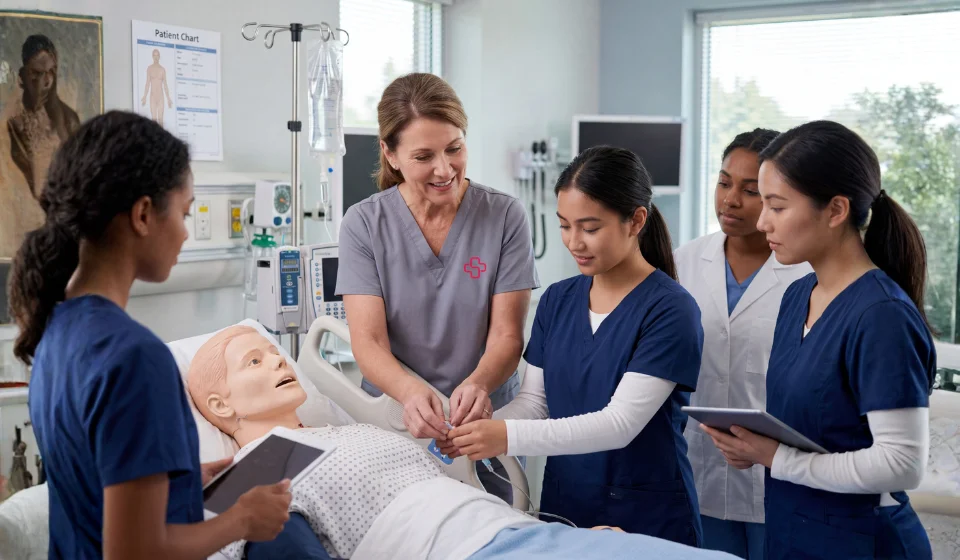
The demand for skilled nursing educators and mentors continues to grow across Australia as healthcare systems evolve and expand. Clinical Nurse Facilitators play a vital role in bridging the gap between theoretical learning and real-world clinical practice, supporting nursing students, graduate nurses, and healthcare staff. Their contribution is essential in strengthening workforce readiness, enhancing clinical competence, and ultimately improving patient care standards across diverse healthcare settings. What Is A Clinical Nurse Facilitator? A Clinical Nurse Facilitator is a qualified and experienced Registered Nurse who supports the education, training, and professional development of nursing students and clinical staff within healthcare environments. For those exploring what is clinical nurse roles, this position sits at the intersection of clinical practice and education, ensuring that learning translates effectively into safe and competent patient care. Core Responsibilities: Clinical Nurse Facilitators are responsible for supervising and mentoring nursing students and junior staff as they transition from academic learning into clinical practice. They guide learners through practical procedures, ensuring they understand both the technical and ethical aspects of patient care. Another key responsibility involves supporting clinical learning and skill development by providing hands-on training, feedback, and structured learning opportunities. Additionally, they ensure adherence to clinical standards and protocols, helping maintain consistency and safety across healthcare settings. Beyond direct supervision, Clinical Nurse Facilitators act as an important link between academic institutions and healthcare organisations. They help align educational objectives with clinical requirements, ensuring students meet competency standards. Their role also contributes significantly to safe, evidence-based patient care by reinforcing best practices and promoting continuous learning among healthcare teams. Qualifications & Skills Required Becoming a Clinical Nurse Facilitator requires a combination of formal education, clinical experience, and strong interpersonal skills. At a foundational level, individuals must first qualify as Registered Nurses and build a solid understanding of patient care across different clinical settings. For those researching how to become clinical nurse professionals in advanced roles, it is important to recognise that this pathway involves both academic achievement and practical experience. In addition to formal qualifications, aspiring facilitators must demonstrate a strong understanding of clinical education frameworks and competency standards. They must also possess the ability to communicate effectively, guide learners, and adapt to different teaching styles depending on individual needs. Minimum requirement: Registered Nurse (RN) qualification. Bachelor of Nursing or equivalent recognised degree. Postgraduate qualifications such as education or clinical specialisation may be preferred. Relevant clinical experience in hospital or community healthcare settings. Registration with Australian Health Practitioner Regulation Agency. These qualifications are complemented by strong communication, teaching, and interpersonal skills, all of which are essential for effectively supporting and mentoring nursing professionals. Career Pathway: How To Become A Clinical Nurse Facilitator Pursuing a career as a Clinical Nurse Facilitator involves a structured progression that builds both clinical expertise and educational capability. Understanding the steps involved can help aspiring nurses plan their career path with clarity and confidence. Step 1: Complete a Bachelor of Nursing and obtain Registered Nurse (RN) registration. Step 2: Gain hands-on clinical experience in a chosen specialty area. Step 3: Develop an interest in mentoring, teaching, or leadership roles within healthcare. Step 4: Pursue additional certifications or postgraduate study in education or leadership. Step 5: Apply for Clinical Nurse Facilitator or educator roles in healthcare organisations. Step 6: Continue professional development and stay updated with current best practices. This pathway reflects a gradual transition from clinical practice to education-focused roles, enabling nurses to build both confidence and competence in mentoring others. Key Skills That Make An Effective Clinical Nurse Facilitator To succeed in this role, Clinical Nurse Facilitators must possess a high level of clinical expertise and remain up to date with current healthcare practices. Their ability to translate theoretical knowledge into practical application is critical in supporting learners and maintaining patient safety. This also aligns closely with broader nursing roles, such as understanding what does clinical nurse specialist do, where advanced clinical knowledge is central to delivering high-quality care. Strong communication and teaching abilities are equally important. Facilitators must be able to explain complex concepts clearly, provide constructive feedback, and adapt their approach based on individual learning styles. Their role often involves guiding diverse groups of learners, making flexibility and clarity essential. Leadership and mentoring skills play a significant role in shaping the effectiveness of a Clinical Nurse Facilitator. They are responsible for fostering a supportive learning environment, encouraging confidence, and promoting professional growth. Critical thinking and problem-solving abilities are also vital, particularly in fast-paced clinical settings where decisions must be made quickly and accurately. Additionally, emotional intelligence and empathy are key qualities. Facilitators must understand the challenges faced by learners and provide support in a way that builds trust and confidence. Their role extends beyond technical training, encompassing professional development and wellbeing. These skills are closely related to the broader duties of a clinic nurse, where patient care, communication, and adaptability are fundamental. Work Environment & Opportunities In Australia Clinical Nurse Facilitators work across a range of healthcare settings, contributing to education and patient care in both clinical and academic environments. Employment Settings: Public and private hospitals. Universities and training institutions. Community healthcare and aged care services. In Australia, there are growing opportunities in specialised areas such as acute care, mental health, and aged care. The increasing demand for skilled healthcare professionals has created a strong need for experienced facilitators who can support workforce development and training. This demand also opens pathways for career progression into roles such as Nurse Educator, Clinical Nurse Specialist, or healthcare management. The role of Clinical Nurse Facilitators is integral to improving healthcare quality and patient safety across the country. By ensuring that nurses are well-trained and confident in their practice, facilitators contribute to better patient outcomes and more efficient healthcare systems. Key Takeaways Clinical Nurse Facilitators play a crucial role in shaping the future of healthcare by supporting education, improving clinical skills, and enhancing patient care quality. A strong combination of clinical experience and teaching ability is essential for success in this role, along with continuous
Emerging Trends In Healthcare & Their Impact On Nurses
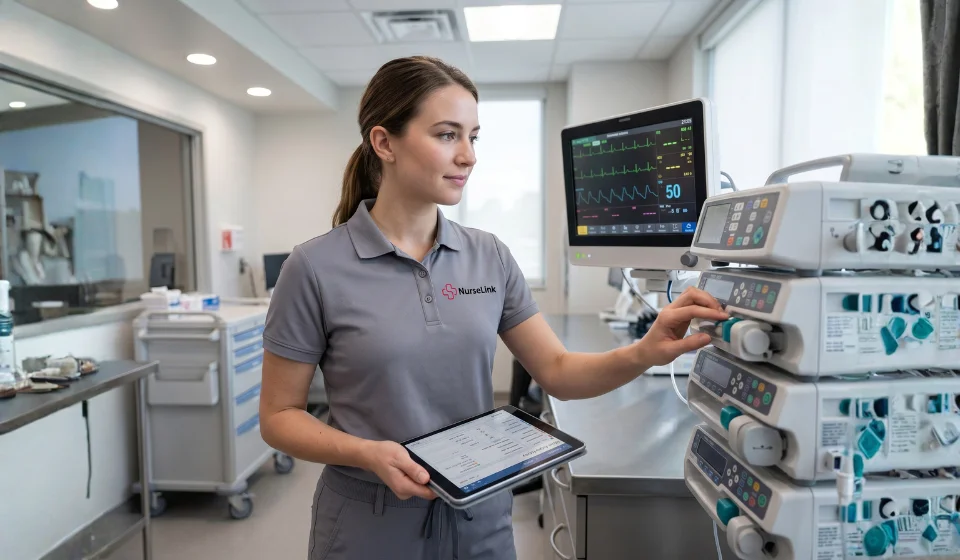
Healthcare is evolving at a rapid pace, shaped by innovation, changing patient needs, and broader societal shifts. For nurses, staying informed about these emerging trends in healthcare is no longer optional but essential to delivering safe and effective care. Today’s patient care environments are more complex than ever, requiring a balance of clinical expertise, adaptability, and compassion. Understanding these changes provides a clearer perspective on how nursing roles are transforming and what is required to meet the expectations of modern healthcare systems. The Rise Of New Healthcare Technologies Technology continues to redefine how care is delivered, documented, and experienced across healthcare settings. From digital records to advanced monitoring systems, the integration of technology is one of the most significant current healthcare industry trends influencing nursing practice. These advancements aim to improve efficiency, accuracy, and patient outcomes while reducing administrative burden. At the same time, the adoption of the latest trends in healthcare technology requires nurses to continuously update their skills. The ability to confidently use digital tools is now a core part of clinical competence, making ongoing learning an essential part of professional development. Increasing use of electronic health records for streamlined documentation. Expansion of telehealth services to support remote consultations. Remote patient monitoring to track health conditions in real time. Integration of AI and automation in clinical decision-making processes. Growing need for digital literacy and adaptability among nurses. Changing Population Needs & Ageing Trends Population demographics are shifting, with a growing ageing population placing increased demand on healthcare systems. This change is one of the most influential current trends in nursing, particularly in aged care and community health settings. Older adults often present with complex health needs, requiring coordinated and long-term care approaches. In addition, there is a noticeable rise in chronic conditions such as diabetes, cardiovascular disease, and respiratory illnesses. These conditions require ongoing management rather than short-term treatment. As a result, healthcare is moving towards preventive and community-based care models, where nurses play a central role in supporting long-term wellbeing and improving quality of life. Growing Cultural Diversity In Care Healthcare environments are becoming increasingly diverse, reflecting broader social and cultural changes. Providing care that is respectful and responsive to different cultural backgrounds is now a fundamental aspect of modern nursing practice. This aligns closely with social work practice in healthcare advanced approaches and emerging trends, where holistic and person-centred care is prioritised. For nurses, cultural diversity presents both opportunities and challenges. It requires a deeper understanding of individual beliefs, communication styles, and expectations, while also ensuring that care remains inclusive and equitable. Promoting culturally safe and inclusive healthcare environments. Understanding diverse health beliefs and personal values. Addressing language barriers through interpreters or simplified communication. Supporting patients with varying levels of health literacy. Building trust and rapport with individuals from different backgrounds. Evolving Policies & Funding Models Healthcare policies and funding structures continue to evolve, influencing how services are delivered and accessed. In Australia, reforms such as the NDIS and changes in aged care funding have significantly impacted care delivery models. These shifts are part of broader trends and issues in nursing, where compliance and accountability are increasingly emphasised. For nurses, navigating these changes requires not only clinical expertise but also an understanding of regulatory frameworks and funding requirements. Administrative responsibilities are becoming more integrated into daily practice, requiring careful balance to maintain quality patient care. Ongoing Workforce Challenges Workforce pressures remain one of the most pressing future nursing issues. Nursing shortages, increased demand for services, and high workloads are contributing to stress and burnout across the profession. These challenges highlight the need for sustainable workforce strategies and supportive work environments. At the same time, the demand for specialised skills continues to grow. Nurses are expected to adapt to new technologies, complex care needs, and evolving patient expectations. Continuous training and professional development are essential to keep pace with these changes. Ongoing nursing shortages impacting service delivery. Increased workload and time pressures in clinical settings. Rising concerns around burnout and mental health. Growing need for specialised skills and advanced training. Importance of retention and supportive workplace cultures. How These Changes Affect Nurses The combined impact of these trends is reshaping the role of nurses in significant ways. Today’s nurses are not only caregivers but also educators, coordinators, and technology users. This shift reflects the broader trends in nursing practice, where versatility and adaptability are key. Balancing these expanding responsibilities can be challenging. Nurses must manage clinical tasks alongside administrative and technical duties, all while maintaining a high standard of compassionate care. This highlights the importance of resilience, ongoing education, and strong support systems within healthcare organisations. Expanding roles that go beyond traditional bedside care. Greater emphasis on adaptability and continuous learning. Managing both clinical and administrative responsibilities. Integrating technology into everyday nursing practice. Maintaining empathy and patient-centred care in busy environments. Key Insights Healthcare is undergoing continuous transformation, and these changes are redefining how care is delivered across all settings. Despite these shifts, nurses remain at the heart of patient care, playing a critical role in outcomes and experiences. Adapting to these evolving expectations is essential, and with the right support, training, and focus on wellbeing, the nursing workforce can continue to provide high-quality, compassionate care in an increasingly complex environment. Latest Post