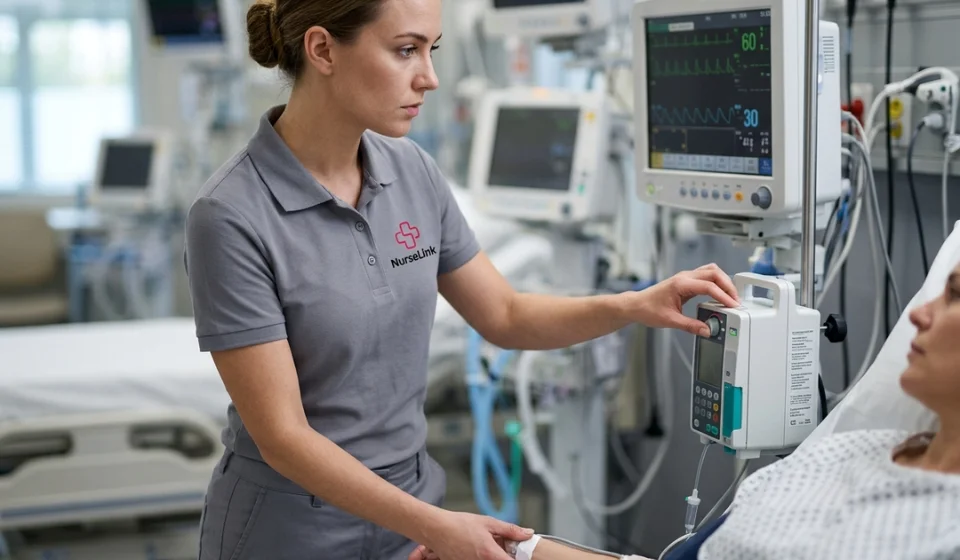
The demand for skilled nursing educators and mentors continues to grow across Australia as healthcare systems evolve and expand. Clinical Nurse Facilitators play a vital role in bridging the gap between theoretical learning and real-world clinical practice, supporting nursing students, graduate nurses, and healthcare staff. Their contribution is essential in strengthening workforce readiness, enhancing clinical competence, and ultimately improving patient care standards across diverse healthcare settings.
What Is A Clinical Nurse Facilitator?
A Clinical Nurse Facilitator is a qualified and experienced Registered Nurse who supports the education, training, and professional development of nursing students and clinical staff within healthcare environments. For those exploring what is clinical nurse roles, this position sits at the intersection of clinical practice and education, ensuring that learning translates effectively into safe and competent patient care.
Core Responsibilities:
Clinical Nurse Facilitators are responsible for supervising and mentoring nursing students and junior staff as they transition from academic learning into clinical practice. They guide learners through practical procedures, ensuring they understand both the technical and ethical aspects of patient care. Another key responsibility involves supporting clinical learning and skill development by providing hands-on training, feedback, and structured learning opportunities. Additionally, they ensure adherence to clinical standards and protocols, helping maintain consistency and safety across healthcare settings.
Beyond direct supervision, Clinical Nurse Facilitators act as an important link between academic institutions and healthcare organisations. They help align educational objectives with clinical requirements, ensuring students meet competency standards. Their role also contributes significantly to safe, evidence-based patient care by reinforcing best practices and promoting continuous learning among healthcare teams.
Qualifications & Skills Required
Becoming a Clinical Nurse Facilitator requires a combination of formal education, clinical experience, and strong interpersonal skills. At a foundational level, individuals must first qualify as Registered Nurses and build a solid understanding of patient care across different clinical settings. For those researching how to become clinical nurse professionals in advanced roles, it is important to recognise that this pathway involves both academic achievement and practical experience.
In addition to formal qualifications, aspiring facilitators must demonstrate a strong understanding of clinical education frameworks and competency standards. They must also possess the ability to communicate effectively, guide learners, and adapt to different teaching styles depending on individual needs.
- Minimum requirement: Registered Nurse (RN) qualification.
- Bachelor of Nursing or equivalent recognised degree.
- Postgraduate qualifications such as education or clinical specialisation may be preferred.
- Relevant clinical experience in hospital or community healthcare settings.
- Registration with Australian Health Practitioner Regulation Agency.
These qualifications are complemented by strong communication, teaching, and interpersonal skills, all of which are essential for effectively supporting and mentoring nursing professionals.
Career Pathway: How To Become A Clinical Nurse Facilitator
Pursuing a career as a Clinical Nurse Facilitator involves a structured progression that builds both clinical expertise and educational capability. Understanding the steps involved can help aspiring nurses plan their career path with clarity and confidence.
- Step 1: Complete a Bachelor of Nursing and obtain Registered Nurse (RN) registration.
- Step 2: Gain hands-on clinical experience in a chosen specialty area.
- Step 3: Develop an interest in mentoring, teaching, or leadership roles within healthcare.
- Step 4: Pursue additional certifications or postgraduate study in education or leadership.
- Step 5: Apply for Clinical Nurse Facilitator or educator roles in healthcare organisations.
- Step 6: Continue professional development and stay updated with current best practices.
This pathway reflects a gradual transition from clinical practice to education-focused roles, enabling nurses to build both confidence and competence in mentoring others.
Key Skills That Make An Effective Clinical Nurse Facilitator
To succeed in this role, Clinical Nurse Facilitators must possess a high level of clinical expertise and remain up to date with current healthcare practices. Their ability to translate theoretical knowledge into practical application is critical in supporting learners and maintaining patient safety. This also aligns closely with broader nursing roles, such as understanding what does clinical nurse specialist do, where advanced clinical knowledge is central to delivering high-quality care.
Strong communication and teaching abilities are equally important. Facilitators must be able to explain complex concepts clearly, provide constructive feedback, and adapt their approach based on individual learning styles. Their role often involves guiding diverse groups of learners, making flexibility and clarity essential.
Leadership and mentoring skills play a significant role in shaping the effectiveness of a Clinical Nurse Facilitator. They are responsible for fostering a supportive learning environment, encouraging confidence, and promoting professional growth. Critical thinking and problem-solving abilities are also vital, particularly in fast-paced clinical settings where decisions must be made quickly and accurately.
Additionally, emotional intelligence and empathy are key qualities. Facilitators must understand the challenges faced by learners and provide support in a way that builds trust and confidence. Their role extends beyond technical training, encompassing professional development and wellbeing. These skills are closely related to the broader duties of a clinic nurse, where patient care, communication, and adaptability are fundamental.
Work Environment & Opportunities In Australia
Clinical Nurse Facilitators work across a range of healthcare settings, contributing to education and patient care in both clinical and academic environments.
Employment Settings:
- Public and private hospitals.
- Universities and training institutions.
- Community healthcare and aged care services.
In Australia, there are growing opportunities in specialised areas such as acute care, mental health, and aged care. The increasing demand for skilled healthcare professionals has created a strong need for experienced facilitators who can support workforce development and training. This demand also opens pathways for career progression into roles such as Nurse Educator, Clinical Nurse Specialist, or healthcare management.
The role of Clinical Nurse Facilitators is integral to improving healthcare quality and patient safety across the country. By ensuring that nurses are well-trained and confident in their practice, facilitators contribute to better patient outcomes and more efficient healthcare systems.
Key Takeaways
Clinical Nurse Facilitators play a crucial role in shaping the future of healthcare by supporting education, improving clinical skills, and enhancing patient care quality. A strong combination of clinical experience and teaching ability is essential for success in this role, along with continuous learning and professional development. Effective communication and leadership skills further strengthen their impact, making them valuable contributors to healthcare teams. With diverse opportunities and clear pathways for growth, this career offers long-term potential and meaningful contributions to the healthcare sector.