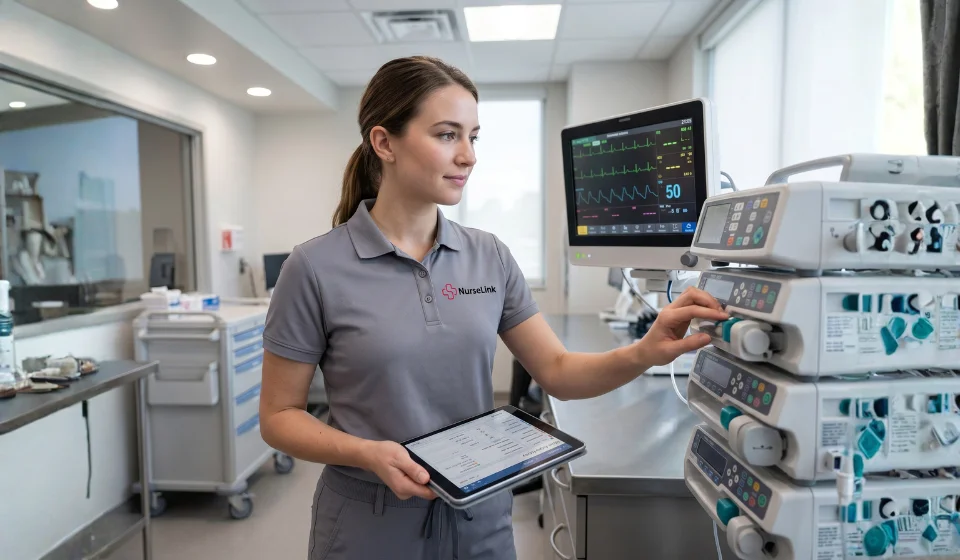
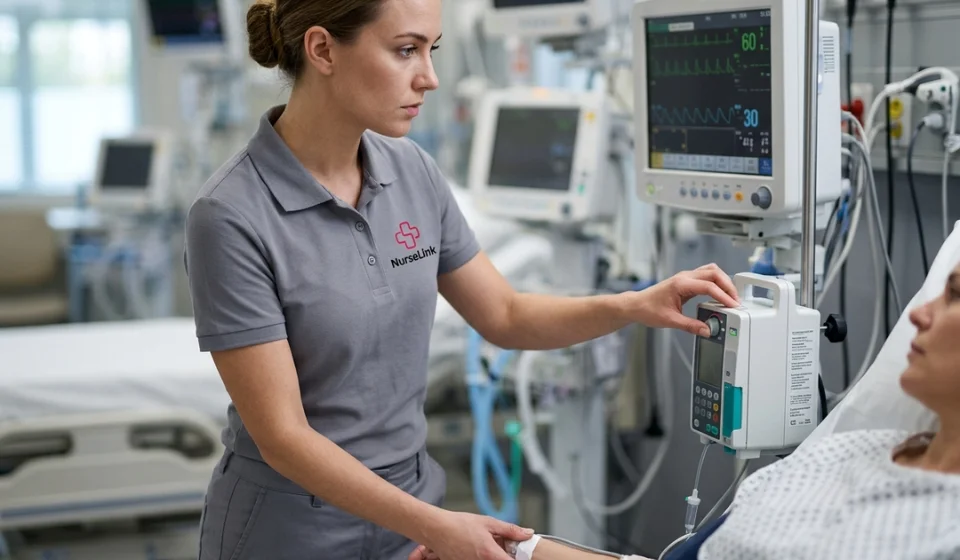
Pediatric nursing is a specialised field focused on caring for infants, children, and adolescents, with an emphasis on supporting healthy growth, development, and overall wellbeing. This area of healthcare requires a strong commitment to child-centred care, ensuring that young patients receive treatment in a safe, supportive, and understanding environment. Pediatric nurses work across hospitals, clinics, and community settings, playing a crucial role in modern healthcare systems where the demand for skilled professionals continues to grow. In this guide, you will gain a clear understanding of the roles, skills, education pathways, and career opportunities associated with pediatric nursing.
What Does A Pediatric Nurse Do?
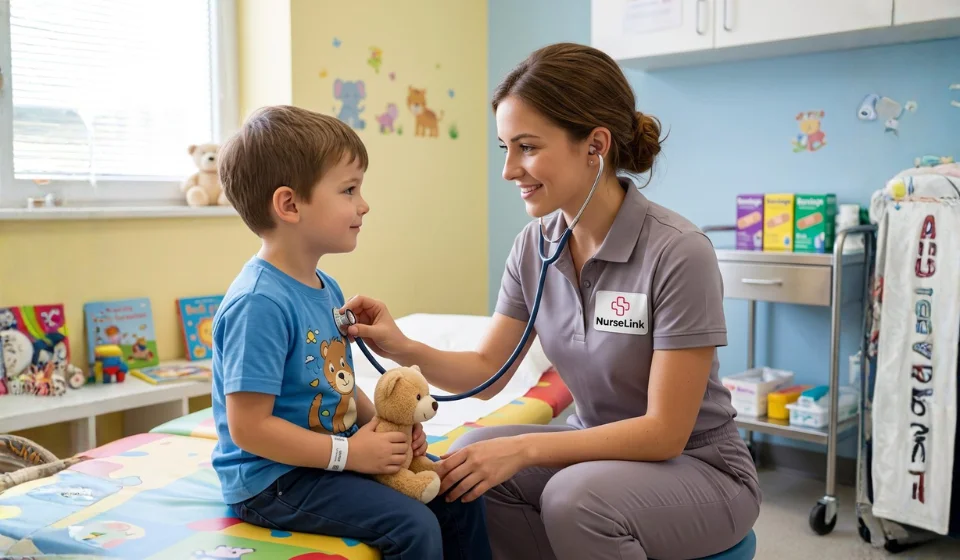
Pediatric nurses are responsible for delivering specialised care tailored to the unique needs of children at different developmental stages. Their work involves close monitoring of a child’s physical and emotional health, ensuring that treatments are appropriate and effective. The duties and responsibilities of pediatric nurse roles extend beyond clinical tasks, as they also involve building trust with young patients and their families.
In addition to providing medical care, pediatric nurses collaborate with doctors and other healthcare professionals to ensure comprehensive treatment. They also play a key role in educating families, helping them understand care plans, medications, and lifestyle considerations that support a child’s recovery and long-term health.
- Deliver age-appropriate care to infants, children, and adolescents.
- Monitor vital signs, symptoms, and developmental milestones.
- Administer medications, treatments, and vaccinations.
- Assist in diagnosis and work closely with healthcare teams.
- Educate and support families on care, nutrition, and wellbeing.
Types Of Pediatric Nursing Roles
Pediatric nursing offers a wide range of career pathways, allowing professionals to work in different environments and specialise in specific areas of child health. Understanding the different types of pediatric nurses helps aspiring professionals choose a path that aligns with their interests and strengths.
Each role requires a combination of clinical expertise and emotional intelligence, as nurses often work with vulnerable patients and families. From hospital-based care to community outreach, pediatric nurses contribute to improving health outcomes across various settings.
- General pediatric nurses working in hospital wards and outpatient clinics.
- Neonatal nurses caring for newborns, including premature infants.
- Pediatric critical care nurses in intensive care units.
- Community health nurses focusing on preventive care.
- School nurses supporting children’s health in educational settings.
- Pediatric oncology nurses caring for children with cancer.
- Pediatric mental health nurses supporting emotional wellbeing.
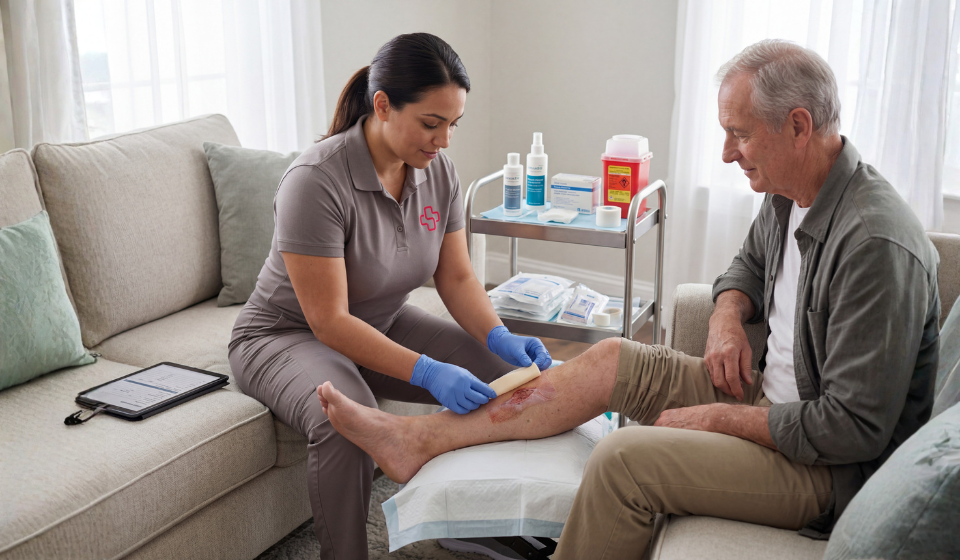
- Home care pediatric nurses assisting patients in their own homes.
- Rehabilitation nurses supporting recovery and development.
- Specialised roles based on healthcare needs and patient conditions.
Skills & Qualities Of A Successful Pediatric Nurse
To succeed in this field, pediatric nurses must combine strong clinical abilities with compassionate care. The essentials of pediatric nursing include not only technical knowledge but also the ability to connect with children and provide reassurance during stressful situations.
Working with children requires patience, adaptability, and emotional strength. Pediatric nurses must be able to communicate effectively with both young patients and their families, ensuring clarity and trust in every interaction.
- Strong clinical knowledge and attention to detail.
- Excellent communication skills with children and families.
- Patience, empathy, and compassion.
- Emotional resilience in challenging situations.
- Critical thinking and quick decision-making abilities.
Education & Qualifications Needed
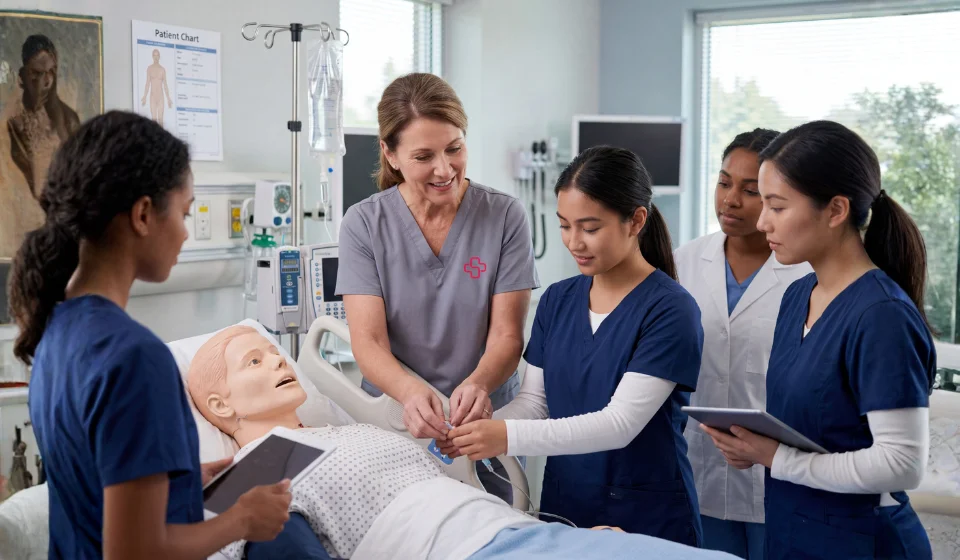
Becoming a pediatric nurse requires a structured educational pathway and ongoing professional development. The education needed to be a pediatric nurse typically begins with completing a recognised nursing degree, such as a Bachelor of Nursing. This foundational training provides essential clinical knowledge and prepares individuals for professional practice.
After completing a degree, nurses must register with the appropriate regulatory body, such as AHPRA in Australia. Gaining experience through clinical placements in paediatric settings is also an important step, as it helps build practical skills and confidence in working with children.
Further specialisation may involve postgraduate study or certifications in paediatric nursing. The qualifications needed to be a pediatric nurse also include a commitment to continuous learning, as healthcare standards and practices evolve over time. For those wondering how long does it take to become a pediatric nurse, the process generally takes several years, depending on education, training, and specialisation choices. Understanding how to become a pediatric nurse involves planning a clear pathway that includes education, registration, and hands-on experience.
Career Opportunities
Pediatric nursing offers diverse career opportunities across multiple healthcare settings. Nurses can work in hospitals, paediatric clinics, and specialised care centres, providing direct support to children with varying health needs. There are also opportunities in community health, schools, and home care services, where nurses play a key role in preventive care and long-term support.
Career progression is another advantage of this field. With experience and additional training, nurses can move into advanced roles, leadership positions, or specialised areas of practice. While there are many rewards, it is also important to consider the pros and cons of pediatric nurse careers, as the role can be both emotionally demanding and highly fulfilling. Overall, the profession offers strong job stability and opportunities across both public and private healthcare sectors.
Conclusion
Pediatric nurses play a vital role in supporting the health and development of children, making a lasting impact on both patients and their families. The profession requires a balance of clinical expertise, compassion, and resilience, offering a rewarding yet responsible career path. For those considering this field, understanding the education, skills, and opportunities involved is essential in making an informed decision. Ultimately, pediatric nursing is a meaningful career that contributes significantly to the wellbeing of future generations.