Healthcare is evolving at a rapid pace, shaped by innovation, changing patient needs, and broader societal shifts. For nurses, staying informed about these emerging trends in healthcare is no longer optional but essential to delivering safe and effective care. Today’s patient care environments are more complex than ever, requiring a balance of clinical expertise, adaptability, and compassion. Understanding these changes provides a clearer perspective on how nursing roles are transforming and what is required to meet the expectations of modern healthcare systems.
The Rise Of New Healthcare Technologies
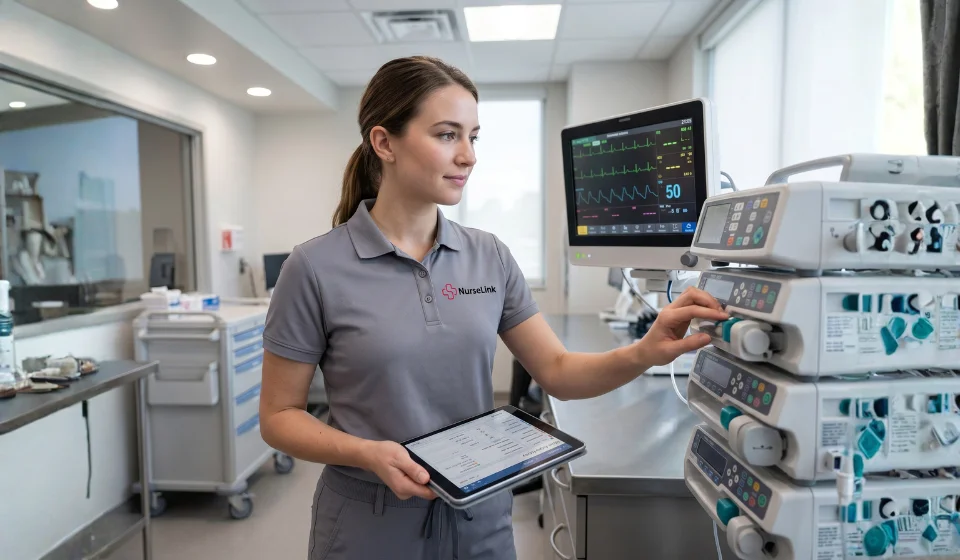
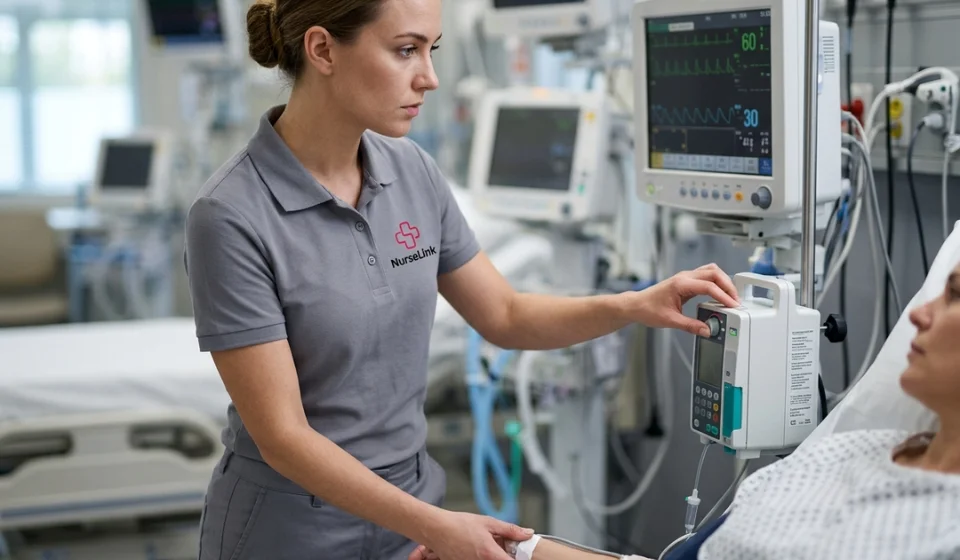
Technology continues to redefine how care is delivered, documented, and experienced across healthcare settings. From digital records to advanced monitoring systems, the integration of technology is one of the most significant current healthcare industry trends influencing nursing practice. These advancements aim to improve efficiency, accuracy, and patient outcomes while reducing administrative burden.
At the same time, the adoption of the latest trends in healthcare technology requires nurses to continuously update their skills. The ability to confidently use digital tools is now a core part of clinical competence, making ongoing learning an essential part of professional development.
- Increasing use of electronic health records for streamlined documentation.
- Expansion of telehealth services to support remote consultations.
- Remote patient monitoring to track health conditions in real time.
- Integration of AI and automation in clinical decision-making processes.
- Growing need for digital literacy and adaptability among nurses.
Changing Population Needs & Ageing Trends
Population demographics are shifting, with a growing ageing population placing increased demand on healthcare systems. This change is one of the most influential current trends in nursing, particularly in aged care and community health settings. Older adults often present with complex health needs, requiring coordinated and long-term care approaches.
In addition, there is a noticeable rise in chronic conditions such as diabetes, cardiovascular disease, and respiratory illnesses. These conditions require ongoing management rather than short-term treatment. As a result, healthcare is moving towards preventive and community-based care models, where nurses play a central role in supporting long-term wellbeing and improving quality of life.
Growing Cultural Diversity In Care
Healthcare environments are becoming increasingly diverse, reflecting broader social and cultural changes. Providing care that is respectful and responsive to different cultural backgrounds is now a fundamental aspect of modern nursing practice. This aligns closely with social work practice in healthcare advanced approaches and emerging trends, where holistic and person-centred care is prioritised.
For nurses, cultural diversity presents both opportunities and challenges. It requires a deeper understanding of individual beliefs, communication styles, and expectations, while also ensuring that care remains inclusive and equitable.
- Promoting culturally safe and inclusive healthcare environments.
- Understanding diverse health beliefs and personal values.
- Addressing language barriers through interpreters or simplified communication.
- Supporting patients with varying levels of health literacy.
- Building trust and rapport with individuals from different backgrounds.
Evolving Policies & Funding Models
Healthcare policies and funding structures continue to evolve, influencing how services are delivered and accessed. In Australia, reforms such as the NDIS and changes in aged care funding have significantly impacted care delivery models. These shifts are part of broader trends and issues in nursing, where compliance and accountability are increasingly emphasised.
For nurses, navigating these changes requires not only clinical expertise but also an understanding of regulatory frameworks and funding requirements. Administrative responsibilities are becoming more integrated into daily practice, requiring careful balance to maintain quality patient care.
Ongoing Workforce Challenges
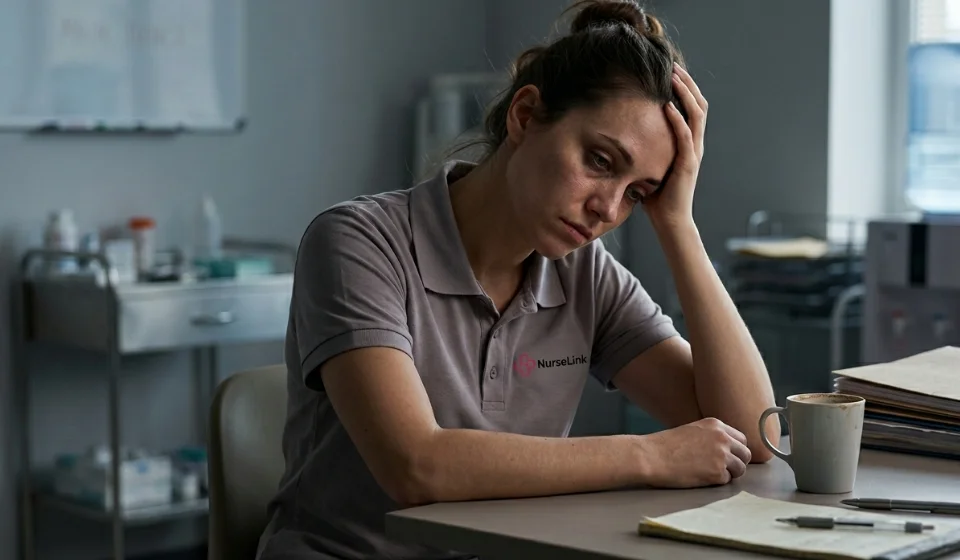
Workforce pressures remain one of the most pressing future nursing issues. Nursing shortages, increased demand for services, and high workloads are contributing to stress and burnout across the profession. These challenges highlight the need for sustainable workforce strategies and supportive work environments.
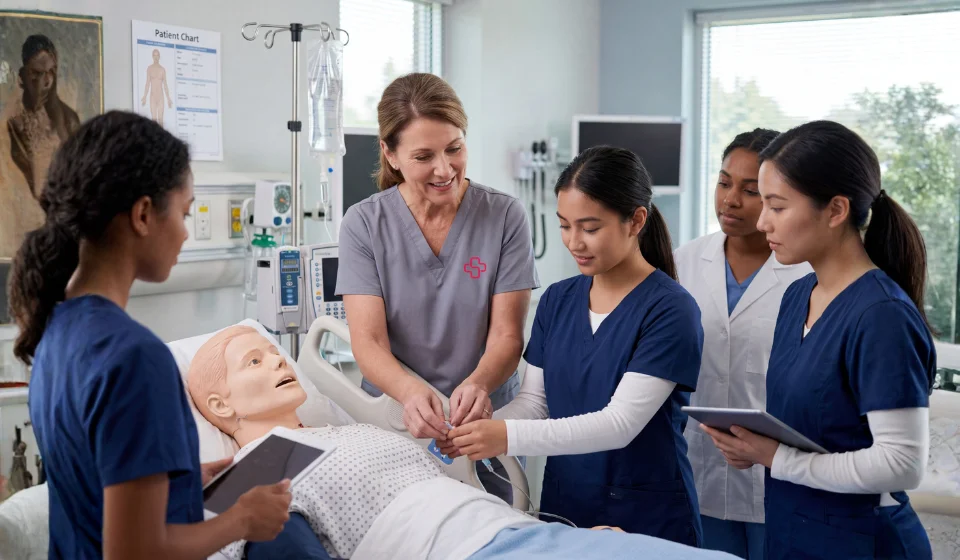
At the same time, the demand for specialised skills continues to grow. Nurses are expected to adapt to new technologies, complex care needs, and evolving patient expectations. Continuous training and professional development are essential to keep pace with these changes.
- Ongoing nursing shortages impacting service delivery.
- Increased workload and time pressures in clinical settings.
- Rising concerns around burnout and mental health.
- Growing need for specialised skills and advanced training.
- Importance of retention and supportive workplace cultures.
How These Changes Affect Nurses
The combined impact of these trends is reshaping the role of nurses in significant ways. Today’s nurses are not only caregivers but also educators, coordinators, and technology users. This shift reflects the broader trends in nursing practice, where versatility and adaptability are key.
Balancing these expanding responsibilities can be challenging. Nurses must manage clinical tasks alongside administrative and technical duties, all while maintaining a high standard of compassionate care. This highlights the importance of resilience, ongoing education, and strong support systems within healthcare organisations.
- Expanding roles that go beyond traditional bedside care.
- Greater emphasis on adaptability and continuous learning.
- Managing both clinical and administrative responsibilities.
- Integrating technology into everyday nursing practice.
- Maintaining empathy and patient-centred care in busy environments.
Key Insights
Healthcare is undergoing continuous transformation, and these changes are redefining how care is delivered across all settings. Despite these shifts, nurses remain at the heart of patient care, playing a critical role in outcomes and experiences. Adapting to these evolving expectations is essential, and with the right support, training, and focus on wellbeing, the nursing workforce can continue to provide high-quality, compassionate care in an increasingly complex environment.