Midwifery has been an essential part of maternal healthcare for centuries, supporting women through pregnancy, childbirth, and the early stages of parenthood. While the profession has deep historical roots, modern maternity care has evolved significantly through research, technology, and evidence-based practice. Today, changing healthcare needs have expanded the role of midwives beyond labour and birth, allowing them to provide more personalised, collaborative, and holistic care that supports healthier outcomes for both mothers and babies.
Why Modern Midwifery Is More Personalised Than Ever
One of the most significant developments in maternity care is the move towards individualised support. Rather than following a one-size-fits-all approach, modern midwifery focuses on understanding each woman’s unique circumstances, preferences, and healthcare needs throughout pregnancy and birth.
Woman-Centred Care
At the heart of modern midwifery is woman-centred care. This approach recognises that every pregnancy is different and that women should play an active role in decisions about their maternity care.
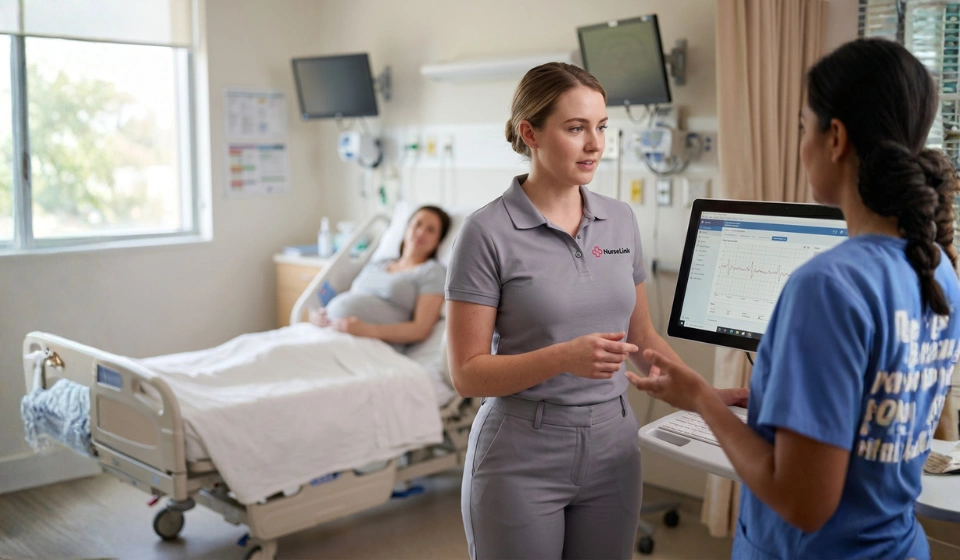
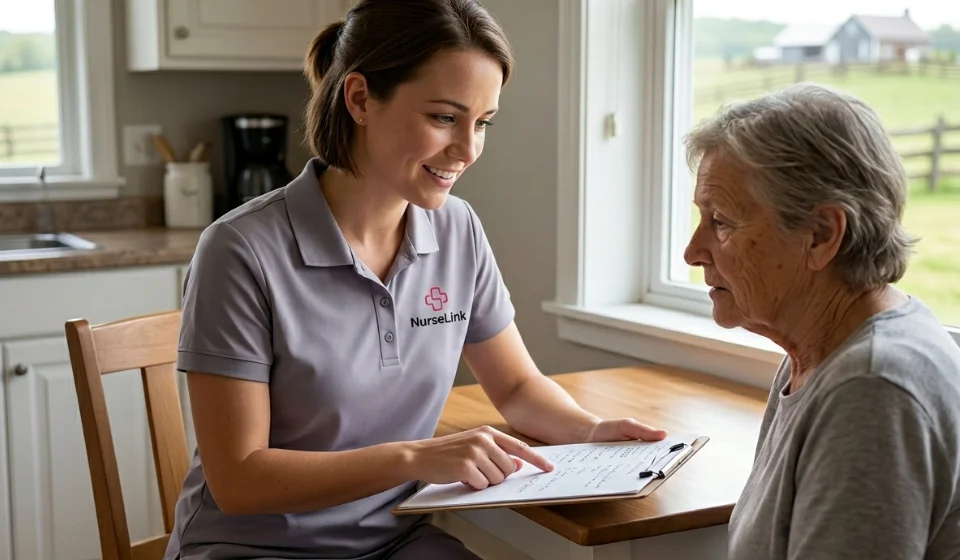
Midwives work closely with expectant mothers to understand their preferences, discuss birth plans, and provide clear, evidence-based information that supports informed decision-making. Rather than directing care, they encourage open conversations that allow women to ask questions, express concerns, and make choices that align with their personal values and medical needs.
Shared decision-making also strengthens communication between healthcare professionals and families. By involving women throughout pregnancy, labour, and postnatal care, midwives help create positive birth experiences built on trust, respect, and confidence.
Individualised Pregnancy & Birth Support
Modern maternity care increasingly recognises that every pregnancy presents different opportunities and challenges.
Factors such as existing medical conditions, previous pregnancies, cultural background, family circumstances, and personal preferences all influence the type of support required. Midwives tailor their care accordingly, ensuring each woman receives appropriate guidance throughout her pregnancy journey.
For women experiencing low-risk pregnancies, midwives often provide comprehensive antenatal care while promoting healthy pregnancies and normal birth where appropriate. For women with higher-risk pregnancies, midwives collaborate closely with obstetricians and other healthcare professionals to ensure additional monitoring and specialist care are available when needed.
This flexible approach reflects many of the positive current trends in midwifery, where personalised care is becoming central to improving maternal outcomes.
Building Trust Through Continuity Of Care
Continuity of care has become one of the most valued models within modern maternity services.
Rather than meeting different healthcare professionals at every appointment, many women now have the opportunity to see the same midwife or small team throughout pregnancy, birth, and postnatal care.
This consistency allows stronger relationships to develop over time. Midwives gain a deeper understanding of each woman’s medical history, preferences, and concerns, while expectant parents become more comfortable asking questions and discussing sensitive issues.
Research continues to show that continuity of care can improve communication, increase confidence, reduce anxiety, and contribute to more positive birth experiences for many women.
The Biggest Trends Influencing Midwifery Today
Healthcare continues to evolve rapidly, and maternity services are adapting alongside it. Several important developments are shaping how midwives deliver care while improving accessibility, safety, and patient experience.
Greater Use Of Technology In Maternity Care
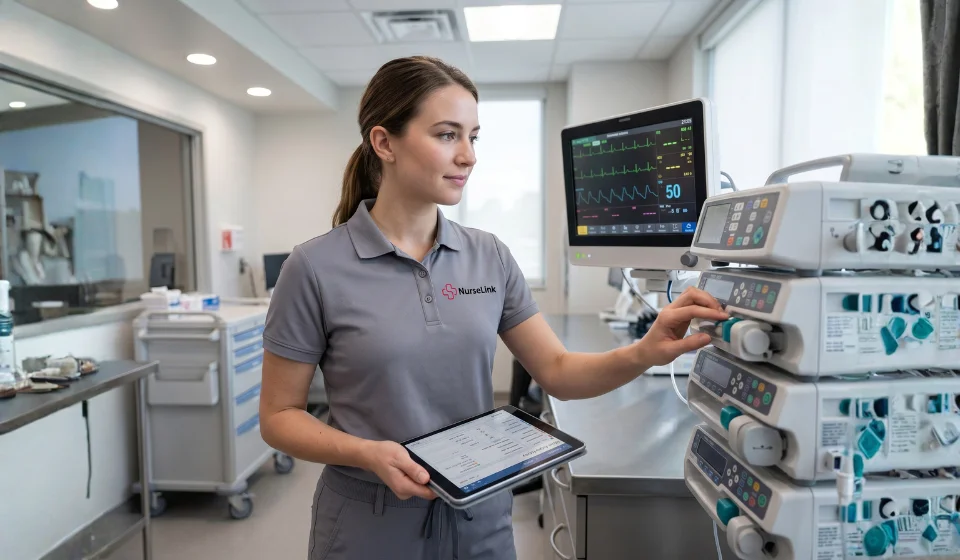
Technology has become an increasingly valuable part of maternity care without replacing the personal relationships that remain central to midwifery.
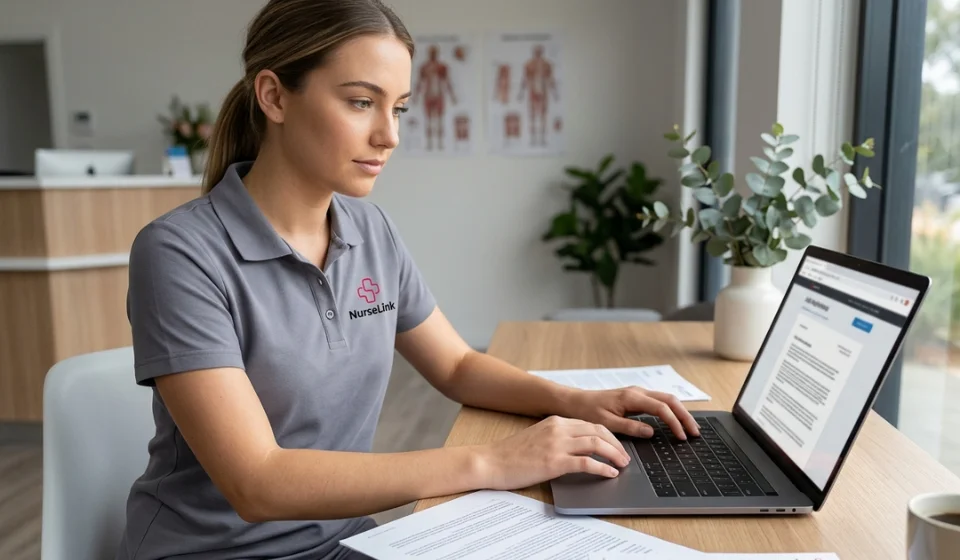
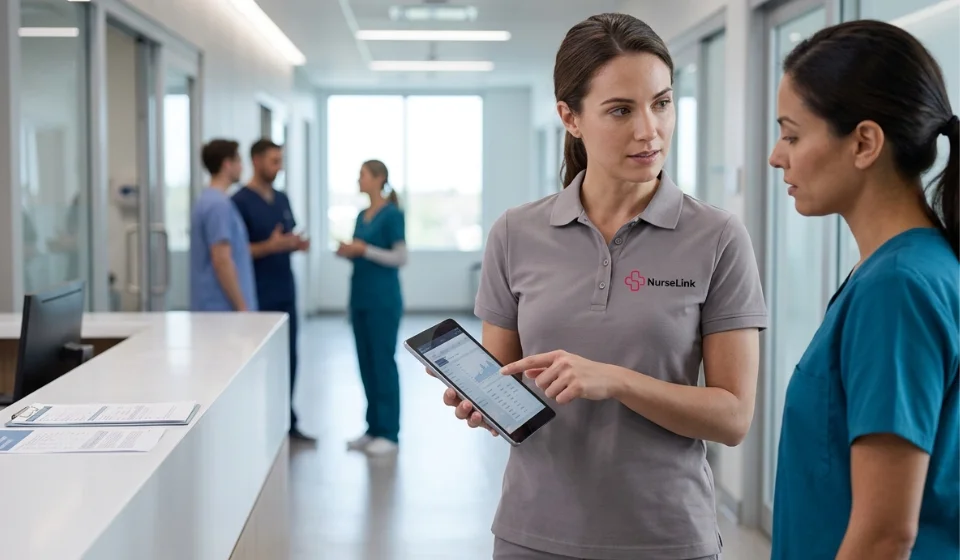
Telehealth consultations now allow many women to attend suitable antenatal appointments from home when clinically appropriate, improving access for families living in rural or regional communities or those with busy schedules.
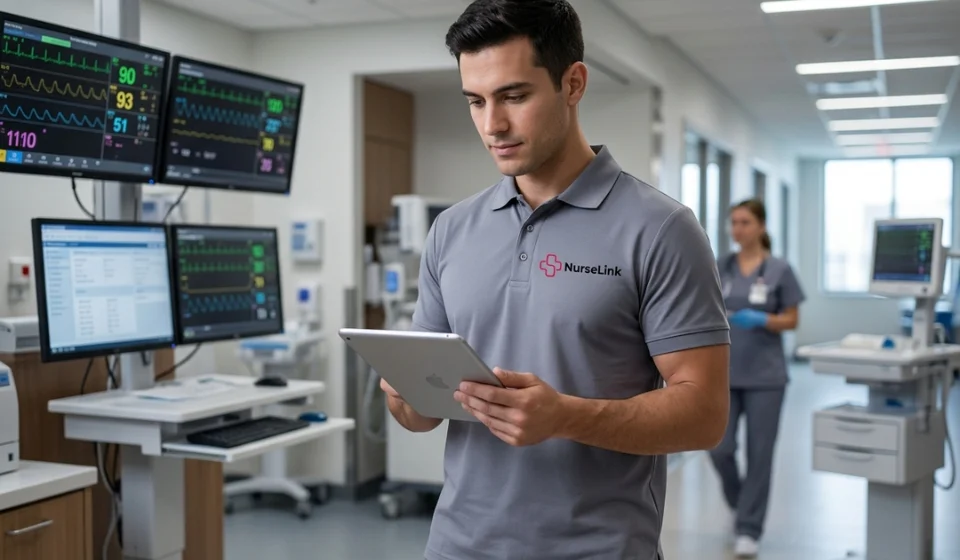
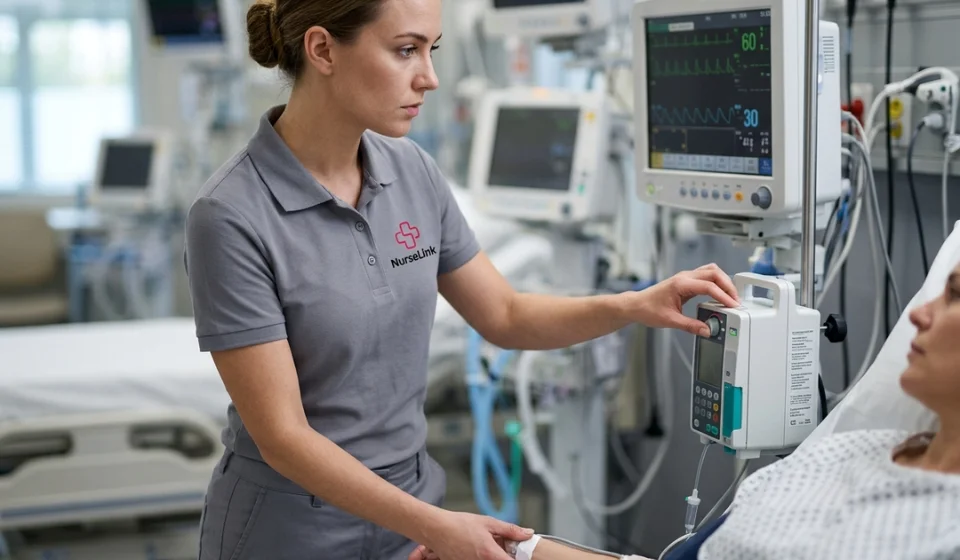
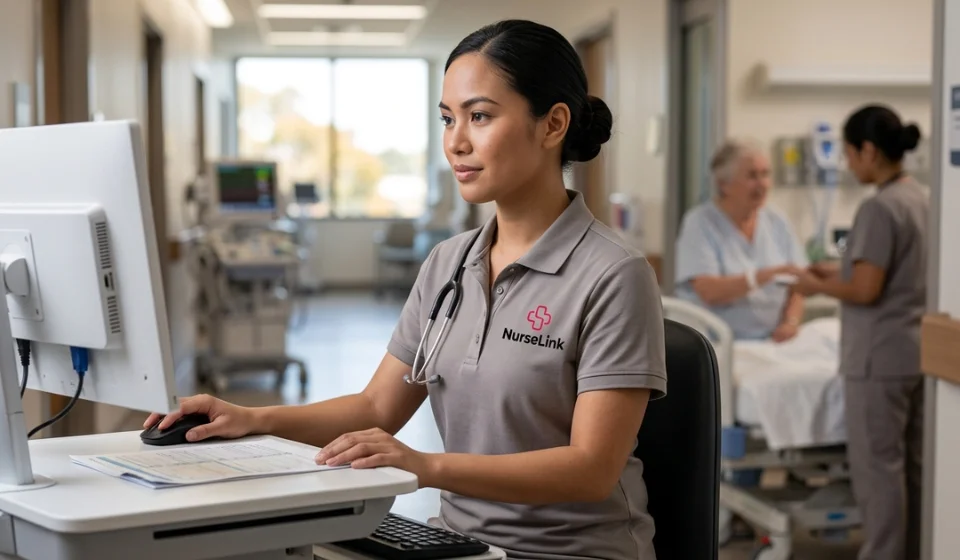
Digital fetal monitoring provides healthcare professionals with more accurate information about a baby’s wellbeing during labour, while electronic health records improve communication between hospitals, GPs, specialists, and community healthcare providers.
Mobile applications and online pregnancy education platforms have also become valuable resources. Expectant parents can access reliable information about fetal development, nutrition, exercise, labour preparation, breastfeeding, and newborn care from trusted healthcare sources whenever they need it.
These technological advances represent important midwifery trends that enhance care while maintaining a strong focus on safety and personalised support.
A Stronger Focus On Preventive & Holistic Care
Modern midwifery extends far beyond monitoring pregnancy alone. There is growing recognition that overall health before, during, and after pregnancy significantly influences outcomes for both mother and baby.
Midwives now place greater emphasis on health education, helping women understand nutrition, physical activity, sleep, smoking cessation, alcohol avoidance, and emotional wellbeing throughout pregnancy.
Mental health has also become an important focus area. Midwives routinely discuss emotional wellbeing, screen for anxiety and depression where appropriate, and provide referrals for additional support when needed.
Preventive care also includes identifying pregnancy complications as early as possible. Regular assessments allow healthcare teams to detect concerns such as gestational diabetes, high blood pressure, fetal growth issues, or other medical conditions before they become more serious.
Improved Collaboration Across Healthcare Teams
Today’s maternity care relies on strong collaboration between multiple healthcare professionals.
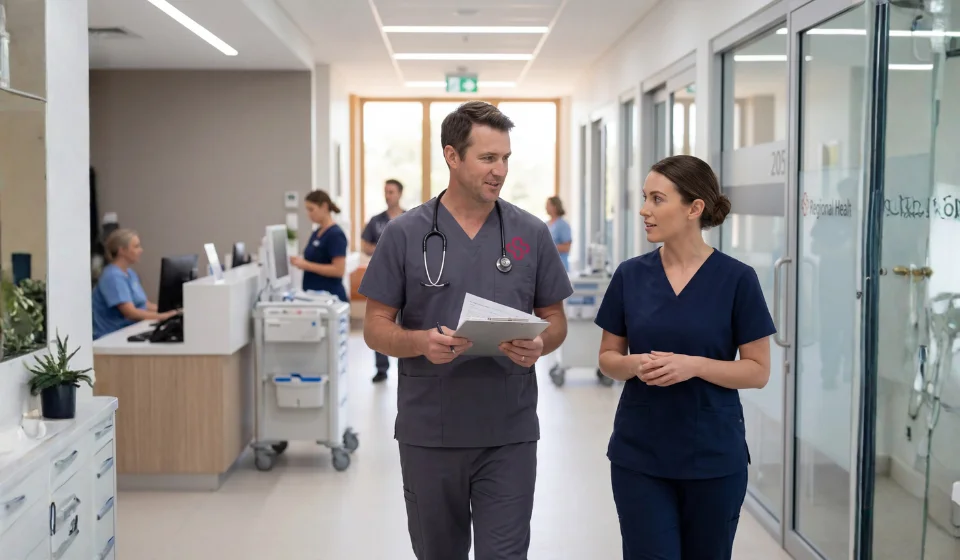
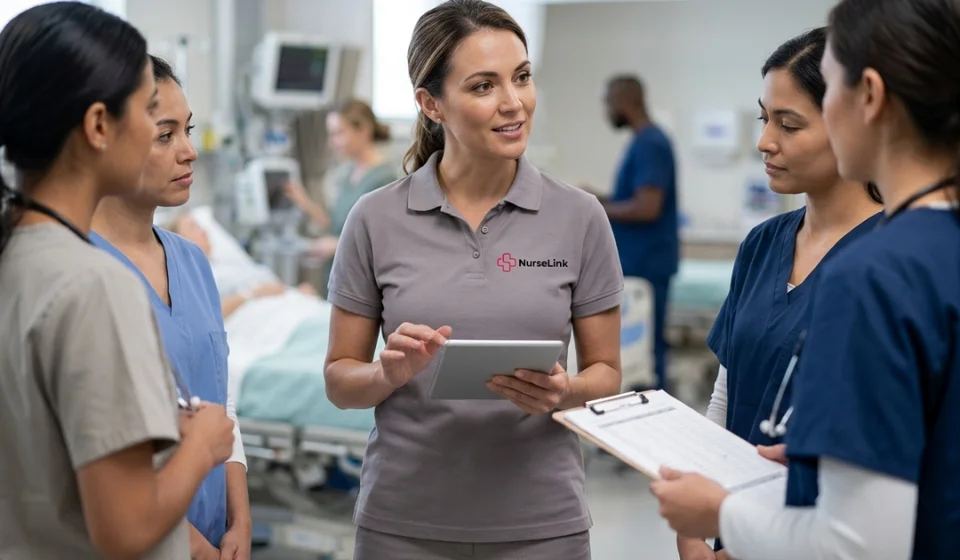
Midwives work alongside obstetricians, general practitioners, nurses, lactation consultants, physiotherapists, dietitians, social workers, mental health professionals, and other allied health practitioners to provide coordinated care.
This multidisciplinary approach is particularly valuable for women managing complex pregnancies or existing medical conditions. Each healthcare professional contributes specialised expertise while ensuring care remains well coordinated throughout pregnancy, birth, and the postnatal period.
Improved communication across healthcare teams reduces unnecessary delays, supports informed decision-making, and creates more comprehensive care plans tailored to individual needs.
Growing Emphasis On Cultural Safety & Inclusive Care
Australia’s diverse population highlights the importance of culturally safe maternity care.
Modern midwives receive increasing education on providing respectful care that recognises cultural beliefs, traditions, languages, and individual preferences throughout pregnancy and childbirth.
Providing culturally appropriate maternity services helps improve communication, build trust, and encourage greater engagement with healthcare services among women from diverse backgrounds.
Inclusive care also involves respecting different family structures, supporting women with disabilities, and ensuring maternity services remain accessible to everyone regardless of their personal circumstances.
The Expanding Role Of Midwives Beyond Childbirth
Although many people associate midwives primarily with labour and delivery, their responsibilities now extend well beyond the birth itself.
Modern midwives provide continuous support throughout pregnancy, childbirth, postnatal recovery, and early parenting, helping families navigate each stage with confidence.
Supporting Women Throughout Pregnancy
Pregnancy involves much more than preparing for labour.
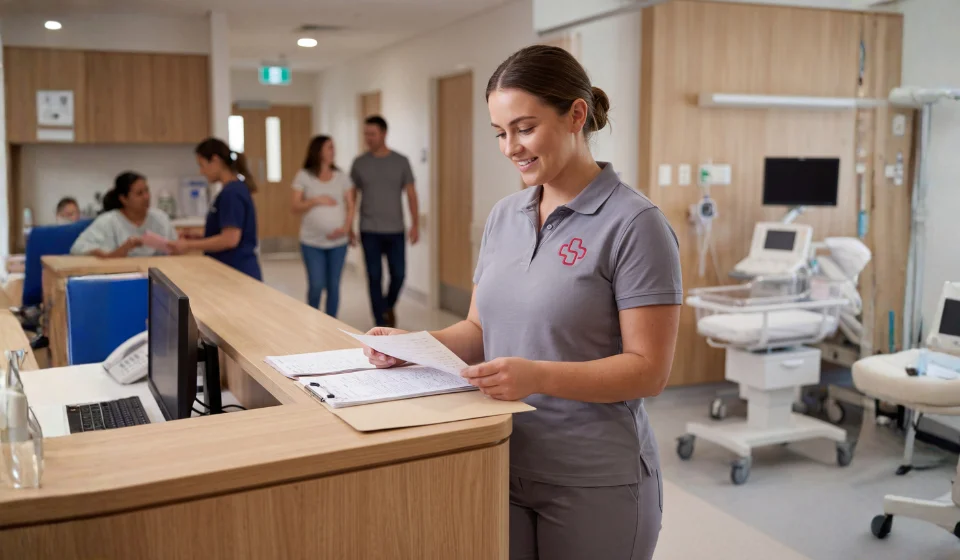
Midwives perform regular antenatal assessments to monitor both maternal and fetal health while identifying potential concerns that may require additional care.
They also provide education covering pregnancy changes, labour preparation, pain management options, birth planning, infant feeding, newborn care, and emotional preparation for parenthood.
By supporting families well before birth, midwives help reduce uncertainty while empowering expectant parents to make informed decisions throughout their pregnancy journey.
Postnatal Care For Mothers & Babies
The weeks following birth are a significant period of adjustment for both parents and newborns.
Midwives continue providing valuable support by assessing maternal recovery, monitoring newborn health, assisting with breastfeeding, and answering questions about infant care.
They also assess emotional wellbeing, recognising that some women may experience anxiety, low mood, or postnatal depression during the transition to parenthood. Early support and referral when necessary contribute to better long-term outcomes for both mothers and babies.
This broader scope of practice reflects the future of midwifery, where ongoing family-centred care extends well beyond delivery.
What These Trends Mean For Expecting Families
The continued evolution of midwifery is creating more positive experiences for families while improving access to high-quality maternity care.
Better Pregnancy & Birth Experiences
Personalised maternity care allows women to feel more informed, respected, and involved throughout pregnancy and childbirth.
Clear communication, continuity of care, and shared decision-making help reduce anxiety while increasing confidence in the healthcare journey. Expectant parents are better equipped to prepare for labour, birth, and the early weeks of parenthood.
Improved Health Outcomes
Evidence-based care allows healthcare professionals to identify concerns earlier and respond more effectively when complications arise.
Regular monitoring, preventive care, collaborative healthcare teams, and improved communication all contribute to healthier pregnancies, safer births, and better outcomes for both mothers and newborns.
Early intervention also supports faster treatment when additional care is required, reducing the likelihood of avoidable complications.
Greater Access To Flexible Maternity Care
Families today have access to a wider range of maternity care options than ever before.
Depending on individual circumstances, women may receive care through hospitals, birth centres, community-based maternity services, or shared care arrangements involving multiple healthcare providers.
Virtual consultations have also improved access for some antenatal appointments, particularly for women living in regional areas or those requiring greater flexibility. While face-to-face care remains essential for many aspects of maternity services, technology continues to improve accessibility where appropriate.
Key Takeaways
Modern midwifery continues to evolve through innovation, evidence-based practice, personalised care, and strong multidisciplinary collaboration. Today’s midwives provide far more than support during labour and birth, offering comprehensive care throughout pregnancy, postnatal recovery, and early parenting. As maternity services continue to develop, these advancements are helping families experience safer pregnancies, more positive birth outcomes, and greater confidence throughout their journey into parenthood.