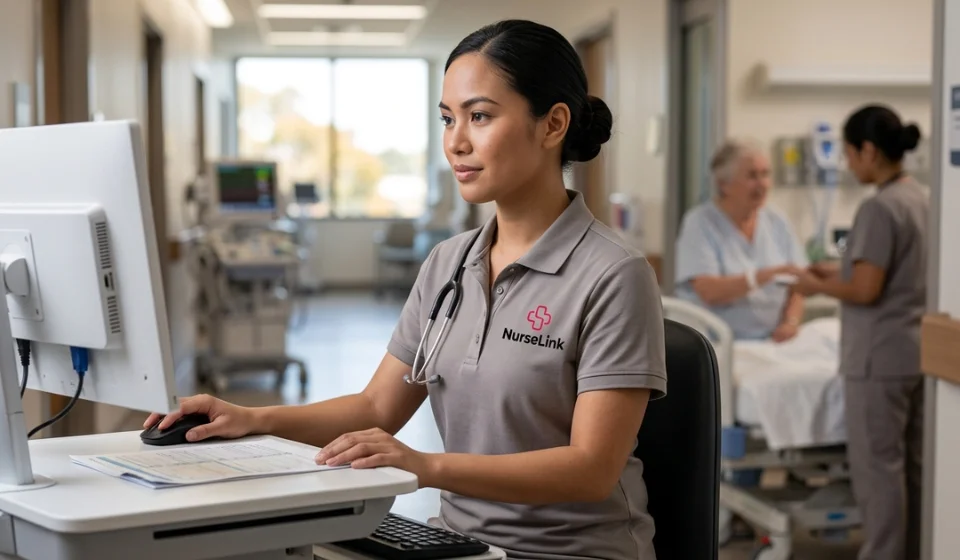
Chronic diseases are among the most significant ongoing health challenges, requiring people to manage symptoms, treatments and lifestyle changes over long periods. Unlike short-term illnesses that may resolve after treatment, chronic conditions often require regular monitoring and coordinated care. This can place practical and emotional demands on individuals, families and healthcare teams.
Nurses play a central role in this ongoing process because they often have regular contact with patients and can provide continuity between different aspects of care. They monitor changes, support treatment plans, explain health information and help patients develop practical skills for managing their condition. This article explores the role of nurses in chronic disease management and how their contribution can support better health outcomes and quality of life.
Understanding Chronic Disease Management
When considering what is a chronic disease management approach, it involves more than treating symptoms when they appear. Chronic disease management is a coordinated process focused on monitoring a long-term condition, reducing complications, supporting treatment adherence and helping people maintain their health and independence. It may involve medical treatment, lifestyle changes, regular assessments, education and ongoing communication between healthcare professionals.
Common chronic conditions include diabetes, cardiovascular disease, chronic obstructive pulmonary disease (COPD), arthritis and some long-term neurological conditions. Each condition has different requirements, but many involve regular appointments, medication, symptom monitoring and lifestyle adjustments. Continuous care helps healthcare professionals identify changes earlier and adjust treatment when necessary, while coordinated support helps prevent gaps between different healthcare services.
Key Responsibilities Of Nurses In Chronic Care
Nurses contribute to chronic care in several practical ways. Their responsibilities can change according to the patient’s condition, care setting and treatment plan, but regular assessment, treatment support and individualised planning remain important components of their work.
Monitoring & Assessing Patient Health
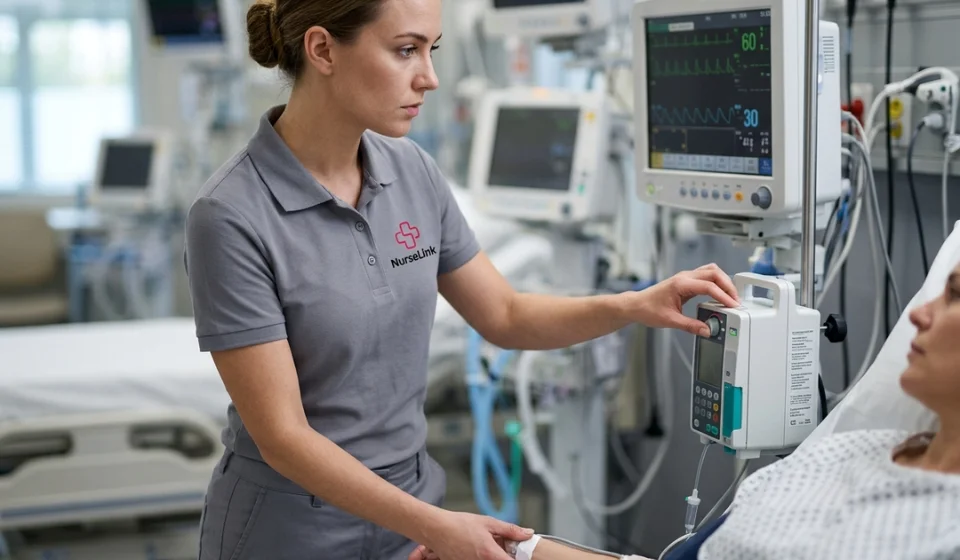
Regular monitoring allows nurses to identify changes in a patient’s health and communicate relevant concerns to the wider healthcare team. Depending on the condition, this may involve checking vital signs, reviewing symptoms, observing physical changes and discussing how the patient has been managing at home.
Consistent symptom tracking can help identify patterns that may otherwise be overlooked. Nurses can also encourage patients to report changes promptly rather than waiting until symptoms become more difficult to manage. This ongoing observation supports informed clinical decision-making and can contribute to earlier intervention when concerns arise.
Administering Treatments & Medications
Nurses may administer prescribed treatments, support medication routines and monitor how patients respond to treatment. They can explain when and how medicines should be taken, discuss potential concerns and reinforce instructions provided by doctors or other authorised healthcare professionals.
Medication management is particularly important when patients take several medicines or have complex treatment schedules. Nurses can help identify practical difficulties, such as confusion about instructions or challenges following a routine, and communicate these concerns to the appropriate healthcare professional.
Developing Individualised Care Plans
Chronic conditions affect people differently, so care should reflect individual circumstances rather than relying on a standard approach. Nurses can contribute to care planning by considering a patient’s symptoms, abilities, lifestyle, preferences and personal goals.
An effective care plan may include treatment routines, monitoring requirements, education, lifestyle goals and follow-up arrangements. Involving patients in these decisions can make plans more realistic and encourage greater participation in their own care.
How Nurses Support Patient Education & Self-Management
Education is one of the most valuable aspects of long-term nursing care. Patients may receive information from several healthcare professionals, and nurses can help translate that information into practical steps that make sense in everyday life.
Teaching Disease Management Skills
Nurses can explain the nature of a condition, common symptoms, treatment requirements and warning signs that may require medical attention. They can also demonstrate practical skills relevant to a patient’s care and check whether the person feels confident performing them independently.
Clear communication is particularly important when health information is complex. Nurses can adapt explanations to the patient’s level of understanding and encourage questions rather than assuming that instructions have been understood.
Encouraging Lifestyle & Behavioural Changes
Lifestyle choices can influence the management of many chronic conditions. Nurses may provide guidance within their scope of practice around areas such as nutrition, physical activity, sleep, smoking cessation and medication adherence, while working alongside other healthcare professionals when specialised advice is required.
Small, achievable changes are often easier to maintain than unrealistic goals. Nurses can help patients identify practical strategies that fit their routines and circumstances, then review progress during follow-up care.
Building Patient Confidence & Independence
Long-term care should not mean that patients become dependent on healthcare professionals for every decision. Nurses can help individuals develop the knowledge and confidence needed to manage appropriate aspects of their condition day to day.
Encouraging patients to recognise symptoms, follow agreed treatment routines, prepare for appointments and communicate concerns can strengthen self-management. Greater confidence can also help people become active participants in decisions about their health.
Coordinating Care Across The Healthcare Team
Chronic disease management often involves several professionals, including general practitioners, specialists, allied health professionals, pharmacists and community care teams. Nurses can help connect these different parts of the care pathway and reduce the risk of important information being missed.
Liaising With Doctors & Specialists
Nurses communicate relevant observations and patient concerns to doctors and specialists, helping ensure that treatment decisions reflect current information. They may also reinforce agreed recommendations and monitor whether patients are experiencing difficulties with the treatment plan.
Consistent communication can be particularly valuable when a patient sees multiple specialists. Sharing appropriate information helps support continuity and reduces unnecessary duplication or confusion.
Involving Family & Caregivers
Family members and caregivers can provide valuable practical support, particularly when a person has complex care needs or requires assistance at home. With the patient’s consent and where appropriate, nurses can help caregivers understand relevant routines, warning signs and care requirements.
Keeping support networks informed can create greater consistency between professional care and daily routines. It can also help caregivers recognise when additional professional assistance may be required.
Managing Referrals & Follow-Up Care
Patients may move between hospitals, clinics, community services and home-based care. Nurses can contribute to smoother transitions by helping coordinate referrals, follow-up appointments and relevant information between services.
Good follow-up can help ensure that recommendations made in one setting are understood and acted upon in another. This continuity is especially important after hospital discharge or changes to a long-term treatment plan.
Challenges Nurses Face In Managing Chronic Conditions
Providing chronic care can be rewarding, but it also presents challenges. Nurses must balance clinical responsibilities with education, communication and emotional support while responding to patients whose needs may change over time.
Balancing Workload & Patient Numbers
High workloads and staffing pressures can make it difficult to provide every patient with as much individual attention as nurses would ideally like. Chronic care requires time for assessment, education and communication, not just completion of clinical tasks.
Effective prioritisation and teamwork can help nurses focus on patients with the greatest immediate needs while maintaining essential monitoring and follow-up for others.
Managing Patient Non-Compliance
Patients may find it difficult to follow treatment plans for many reasons. Cost, side effects, limited health literacy, competing responsibilities, emotional concerns or difficulty changing established habits can all create barriers.
Rather than simply labelling a patient as non-compliant, nurses can explore why a recommendation is difficult to follow. Understanding the underlying barrier may make it possible to identify a more practical solution with the wider healthcare team.
Emotional & Mental Load Of Long-Term Care
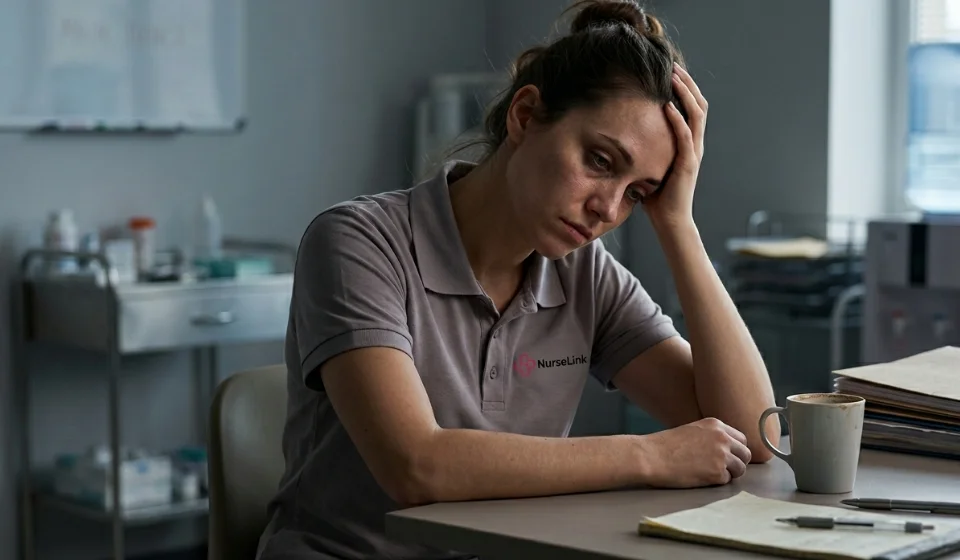
Nurses may develop ongoing relationships with people who require care over many years. Supporting patients through periods of deterioration, uncertainty and lifestyle adjustment can create an emotional burden.
Maintaining professional boundaries, accessing workplace support and communicating with colleagues can help nurses manage the emotional demands of long-term care. Looking after their own wellbeing is also important for sustaining compassionate and effective practice.
Key Takeaways