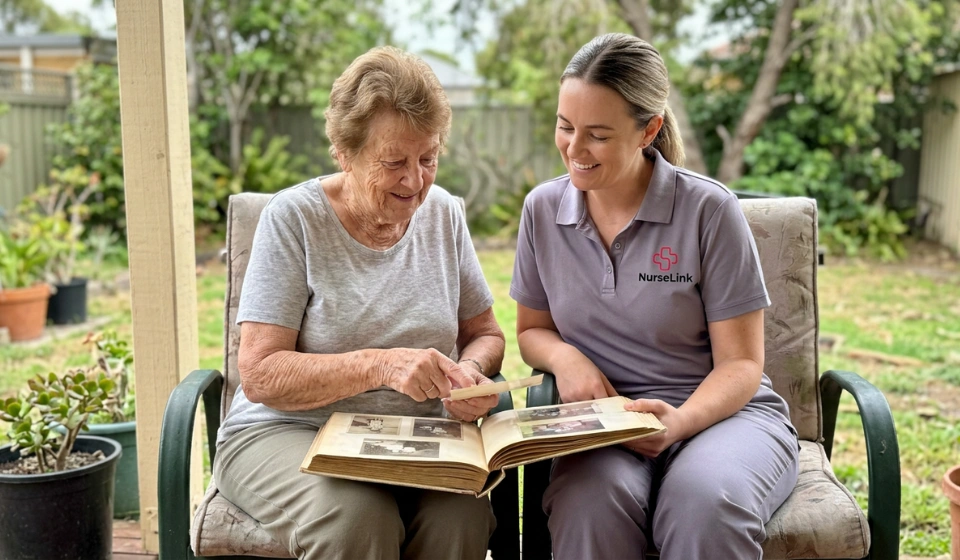
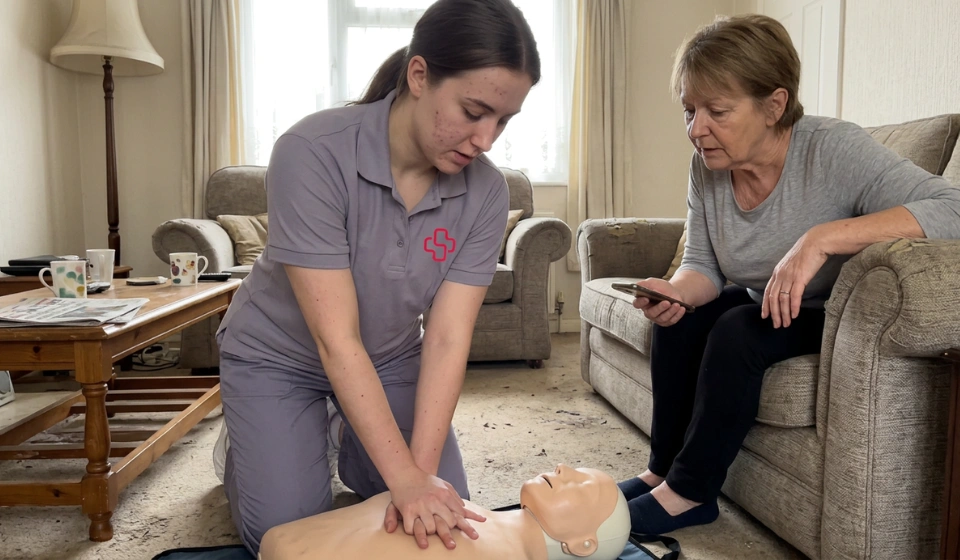
Palliative care provides specialised support for people living with serious or life-limiting illness, while hospice care generally focuses on comfort and quality of life towards the end of life. The difference between hospice and palliative care can be confusing because both involve symptom management, emotional support and family assistance. Understanding their differences helps individuals make informed care decisions. The five key differences involve timing, treatment goals, eligibility, scope of support and service delivery.
What Is Palliative Care & Who Can Benefit From It?
Palliative care is specialised healthcare that helps people manage symptoms, improve quality of life and cope with the physical, emotional, social and spiritual effects of serious illness. It can begin at different stages and may be provided alongside treatment for the underlying condition.
What is palliative care and why is it important? It is important because it considers the whole person rather than focusing only on a diagnosis. People living with cancer, advanced heart or lung disease, neurological conditions and other serious illnesses may benefit. Palliative care does not automatically mean that disease-directed treatment has stopped.
Palliative care may include:
- Pain and symptom management.
- Emotional and psychological support.
- Social and practical assistance.
- Spiritual support where appropriate.
- Coordination between healthcare professionals, patients, families and carers.
Care may be provided in hospitals, clinics, residential aged care facilities or at home. What does palliative care do? It helps address the effects of serious illness while supporting comfort, personal goals and quality of life.
What Is Hospice Care & When Is It Appropriate?
Hospice care is supportive care primarily focused on comfort, dignity and quality of life for people approaching the end of life. Instead of concentrating mainly on disease-directed treatment, hospice generally prioritises relief from distressing symptoms and support for the individual and family.
Understanding the concept of hospice care helps explain its role. Hospice may become appropriate when an illness has progressed and care goals have shifted towards comfort and end-of-life support. Exact eligibility and service arrangements vary between providers and circumstances.
Hospice care may involve:
- Managing pain and other distressing symptoms.
- Providing emotional and practical support.
- Respecting personal preferences and maintaining dignity.
- Supporting family members and informal carers.
- Coordinating nurses, doctors, allied health professionals and other services.
Hospice care may be provided in a dedicated facility, hospital, residential setting or, where available, at home. What does hospice care do? It supports comfort and quality of life when end-of-life needs become the central focus of care.
Palliative Care vs. Hospice Care: 5 Crucial Differences
Palliative care vs hospice care can be understood through five practical differences. Although the approaches overlap considerably, their timing, goals, eligibility, support and delivery can differ.
Timing of Care
Timing is a major difference between palliative and hospice care. Palliative care can begin at various stages of serious illness and may continue while a person receives treatment for the underlying condition. Hospice care is generally considered when the illness has progressed and comfort becomes the primary care goal.
Treatment Goals
Palliative care may be provided alongside treatments intended to manage, control or slow an illness. Hospice care generally places greater emphasis on comfort rather than disease-directed treatment when a person is nearing the end of life. Care goals can change as health circumstances develop.
Eligibility and Care Requirements
Eligibility depends on the service, provider, clinical circumstances and location. Palliative care may be available to people with serious illnesses who need symptom management and supportive care. Hospice programs can have more specific clinical requirements. Individual assessment is therefore important when determining appropriate services.
Scope of Support
Both approaches can address physical symptoms as well as emotional, social and practical needs. Palliative care may provide support throughout serious illness, while hospice care commonly addresses these needs during end-of-life care. Family and carer support can form an important part of both approaches.
Care Setting and Service Delivery
Palliative care may be delivered in hospitals, clinics, residential aged care facilities and homes. Hospice services may operate through dedicated facilities, hospitals, residential settings or home-based programs. Nurses, doctors, allied health professionals and other providers can work together to coordinate person-centred care.
How Palliative & Hospice Care Support Patients 7 Families
Palliative and hospice care support patients and families by addressing physical symptoms alongside emotional, social, practical and, where appropriate, spiritual needs. This whole-person approach recognises that serious illness can affect everyone involved in care.
Patients may receive help with pain, breathlessness, nausea and other symptoms while maintaining dignity, comfort and personal preferences. Families and informal carers can receive information, guidance and practical support as needs change.
Communication is particularly important. Healthcare professionals can explain available options, discuss care goals and support advance care planning. Depending on the service, family support may also extend into bereavement. Coordinated care can help keep the person’s priorities central while reducing confusion between different providers.
Choosing The Right Type Of Care For Your Needs
Choosing between palliative and hospice care should be based on the person’s medical circumstances, care goals, preferences and available services. A doctor, nurse or other qualified healthcare professional can help explain which options may be suitable.
Consider:
- The person’s diagnosis, symptoms and treatment goals.
- Whether symptom management can occur alongside ongoing treatment.
- Preferred care environments, including home-based care where available.
- Eligibility, services, costs and care coordination.
- Changing needs and the preferences of the person receiving care.
Families should also consider their own support needs. Care plans may need to change as a person’s condition develops. Is hospice and palliative care the same? No. They overlap, but their usual timing and goals can differ. Does palliative care mean someone is dying? Not necessarily, because it can begin while someone is receiving treatment for a serious illness.
Key Takeaways
Palliative care and hospice care both prioritise comfort, dignity and quality of life, but they can differ in timing, goals, eligibility, scope and delivery. Palliative care may accompany treatment for serious illness, while hospice generally focuses more specifically on end-of-life comfort. Both can support patients, families and carers. The appropriate option depends on individual clinical circumstances, preferences and available services, making discussion with qualified healthcare professionals important.
Frequently Asked Questions
How Is Palliative Care Different From Hospice?
Palliative care can be provided at different stages of serious illness and may occur alongside treatment for the underlying condition. Hospice care generally focuses more specifically on comfort and quality of life towards the end of life. Eligibility and timing vary between services, so individual circumstances should be discussed with a healthcare professional.
What Does Hospice Care Do?
Hospice care focuses on comfort, dignity and quality of life for people approaching the end of life. It can manage symptoms such as pain and breathlessness while providing emotional and practical support. Nurses, doctors and other professionals may coordinate care according to the person’s needs, preferences and individual care plan.
Is Hospice Always End Of Life?
Hospice care is generally associated with end-of-life care, although eligibility and terminology vary between providers. Its main focus is usually comfort rather than treatment intended to control the underlying illness. People considering hospice should discuss eligibility, expected services and care goals with the relevant healthcare provider.
Is Hospice Only For Dying People?
Hospice care is intended for people whose needs have shifted towards comfort and end-of-life support. It is not necessarily limited to the final moments of life. Hospice teams can provide symptom management, emotional support and assistance to families and carers during this stage, with timing determined according to individual clinical circumstances.
What Are The Benefits Of Hospice Care?
Hospice care can provide symptom management, emotional support, practical assistance and coordinated care focused on comfort and dignity. It can also help family members and informal carers understand changing needs and access appropriate support. The services available depend on the provider, care setting and individual circumstances.
Is Hospice And Palliative Care The Same?
No. Palliative care can begin earlier during serious illness and may be provided alongside disease-directed treatment. Hospice care generally has a stronger focus on comfort and end-of-life support. Both can provide symptom management, emotional assistance, family support and coordinated multidisciplinary care, but their timing and eligibility can differ.
What Does Palliative Care Do?
Palliative care helps people with serious illness manage symptoms and maintain quality of life. It can address pain and other physical symptoms while providing emotional, social, practical and spiritual support where appropriate. It may be delivered alongside treatment for the underlying illness and can involve healthcare professionals, families and carers.
Does Palliative Care Mean Someone Is Dying?
No. Palliative care does not necessarily mean that someone is dying. It can be introduced at different stages of serious illness and provided alongside treatment intended to manage the condition. Its purpose is to improve comfort, manage symptoms and support quality of life according to the person’s needs and care goals.