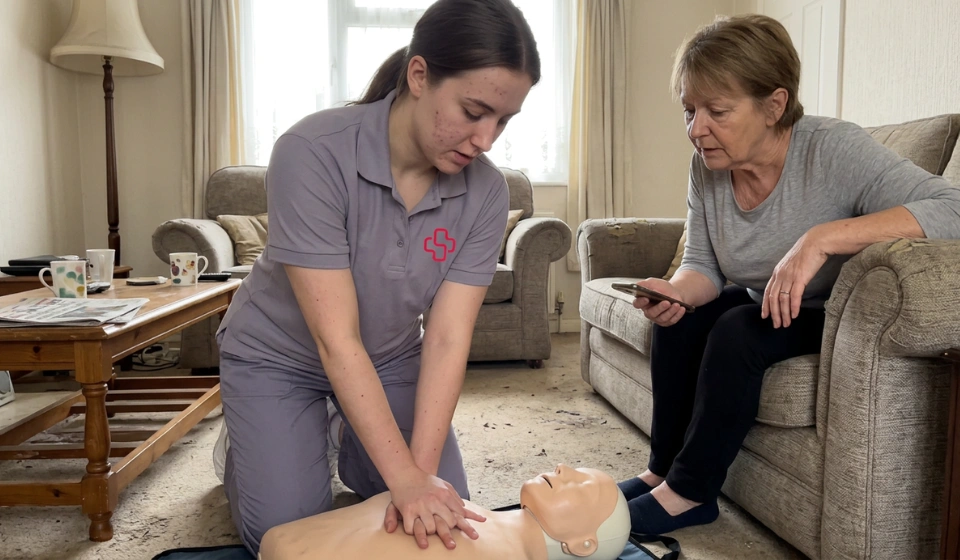
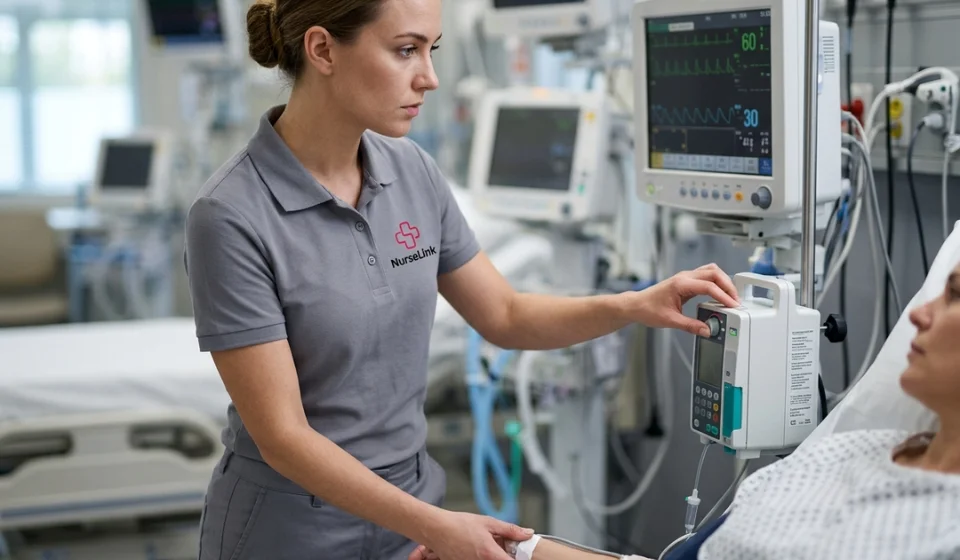
Cardiac arrest is a life-threatening emergency in which the heart suddenly stops pumping blood effectively. Recognising the signs, calling 000, starting CPR and using an automated external defibrillator (AED) quickly can help maintain circulation and improve the chance of survival while emergency medical care is on the way.
What Is Cardiac Arrest & How Does It Affect The Body?
Cardiac arrest occurs when the heart suddenly stops pumping blood effectively. As circulation stops, the brain and other organs are deprived of oxygen. The person usually becomes unconscious and stops breathing normally. Without rapid treatment, cardiac arrest can cause severe organ damage and may be fatal.
During cardiac arrest:
- Effective blood circulation stops.
- The brain loses its oxygen supply.
- The person loses consciousness.
- Normal breathing stops or becomes abnormal.
- CPR and defibrillation may help restore circulation.
CPR helps maintain blood flow until professional help arrives, while an AED can analyse the heart rhythm and deliver a shock when appropriate. Cardiac arrest is different from a heart attack, although a heart attack can sometimes trigger cardiac arrest.
What Causes Cardiac Arrest? Understanding The Risk Factors
Cardiac arrest causes are often associated with a dangerous electrical disturbance in the heart and underlying cardiovascular disease. Coronary artery disease, previous heart attacks, abnormal heart rhythms, cardiomyopathy, heart failure and certain inherited heart conditions can increase the risk.
Other possible causes and risk factors include:
- Severe breathing problems or lack of oxygen
- Electrocution, poisoning or drug overdose
- Major trauma or severe blood loss
- High blood pressure, high cholesterol or diabetes
- Smoking, older age and family history of heart disease
Risk factors increase the likelihood of cardiac arrest but do not mean it will definitely occur. Some people experience sudden cardiac arrest without knowing they have an underlying heart condition. Medical assessment can help identify potential causes and contributing conditions.
What Are The Early Signs & Symptoms Of Cardiac Arrest?
The main cardiac arrest symptoms are sudden collapse, unresponsiveness and abnormal or absent breathing. Unlike many medical conditions, cardiac arrest can happen with little or no warning. Gasping or irregular breaths should not be mistaken for normal breathing.
Possible warning symptoms before cardiac arrest can include:
- Chest discomfort
- Shortness of breath
- Palpitations
- Dizziness or fainting
- Sudden weakness
These symptoms do not always occur, and they can have many other causes. If a person suddenly collapses, does not respond and is not breathing normally, call 000 immediately and begin CPR. Acting quickly is critical because prolonged interruption of blood flow can cause serious brain and organ damage.
Cardiac Arrest Vs Heart Attack: What Is The Difference?
The difference between sudden cardiac arrest and a heart attack is primarily what causes each condition. A heart attack involves restricted blood flow to the heart muscle, while cardiac arrest occurs when the heart suddenly loses effective pumping activity. Although they are different conditions, a heart attack can sometimes lead to cardiac arrest.
What Is A Heart Attack?
A heart attack occurs when blood flow through a coronary artery becomes blocked, preventing sufficient oxygen from reaching part of the heart muscle. The heart usually continues beating. Symptoms can include chest pressure or discomfort, shortness of breath, sweating, nausea and pain that may spread to the arm, back, neck or jaw.
What Is Cardiac Arrest?
Cardiac arrest occurs when the heart suddenly stops pumping effectively, usually because of a dangerous electrical rhythm. Blood circulation stops, causing the person to become unconscious and stop breathing normally. Immediate CPR, an AED when available and emergency medical assistance are essential.
Can A Heart Attack Cause Cardiac Arrest?
Yes. A heart attack can damage the heart muscle and interfere with its electrical system. This can produce a dangerous rhythm that results in cardiac arrest. Therefore, serious symptoms of a heart attack also require immediate emergency attention.
What Should You Do During Cardiac Arrest? First Aid & CPR Steps
During suspected cardiac arrest, check the person, call 000, start CPR and use an AED if one is available. These first aid steps can help maintain circulation until emergency professionals arrive.
Check For Responsiveness
Speak to the person and check whether they respond. If they are unresponsive and not breathing normally, treat the situation as cardiac arrest. Gasping or occasional abnormal breaths should not be considered normal breathing.
Call Emergency Services
Call triple zero, or 000, and request an ambulance. If someone else is present, ask them to make the call while you begin CPR. Put the phone on speaker if possible and follow the emergency operator’s instructions.
Start CPR
Begin chest compressions in the centre of the chest. Push hard and fast and allow the chest to recoil between compressions. Continue CPR until emergency professionals take over, the person shows clear signs of recovery or an AED instructs you to stop.
Use An AED
An automated external defibrillator analyses the person’s heart rhythm and can deliver an electric shock when appropriate. Turn the device on, attach the pads as directed and follow its voice or visual instructions. Do not touch the person while the AED is analysing the rhythm or delivering a shock.
Continue Care Until Help Arrives
Continue CPR and follow the AED’s instructions until professional help arrives. If another trained person is available, they can take over chest compressions when necessary. Suspected cardiac arrest always requires emergency medical care.
Conclusion
Cardiac arrest is a life-threatening emergency involving the sudden loss of effective heart function. Recognising collapse, unresponsiveness and abnormal or absent breathing is essential. Calling 000, beginning CPR and using an AED quickly can provide critical support while emergency services respond. Learning basic CPR and knowing where AEDs are located can help people respond confidently when immediate action is needed.
Frequently Asked Questions
How Quickly Do You Lose Consciousness After Cardiac Arrest?
Consciousness is usually lost very quickly after cardiac arrest because blood flow to the brain stops. A person may collapse within seconds and become unresponsive. Gasping is not normal breathing. If someone is unresponsive and not breathing normally, call 000 immediately and start CPR while following emergency operator instructions.
Is Cardiac Arrest Painful?
Once cardiac arrest causes unconsciousness, the person generally cannot experience pain normally. However, some people may experience warning symptoms such as chest discomfort or breathlessness before the arrest. Severe or new chest symptoms should never be ignored because they may indicate a heart attack or another serious medical condition requiring urgent assessment.
Can Cardiac Arrest Be Prevented?
Not every cardiac arrest can be prevented, particularly when it results from an unexpected electrical or inherited heart condition. However, managing cardiovascular risk factors may reduce the likelihood of some causes. Avoiding smoking, maintaining physical activity, eating a balanced diet and managing conditions such as high blood pressure, cholesterol and diabetes can support heart health.
Can Cardiac Arrest Be Treated?
Yes, cardiac arrest can sometimes be successfully treated when CPR and defibrillation begin quickly. The immediate response is to call 000, start CPR and use an AED when available. Emergency medical teams provide advanced treatment and investigate the underlying cause. Survival depends on several factors, including the initial rhythm and how quickly treatment begins.
Can Drugs Cause Cardiac Arrest?
Yes. Drug overdose, poisoning and substances that severely affect breathing or heart function can contribute to cardiac arrest. If someone becomes unresponsive and is not breathing normally after suspected poisoning or overdose, call 000 immediately and begin CPR. Follow the emergency operator’s instructions while waiting for professional medical assistance.
Can You Come Back From Cardiac Arrest?
Yes, some people survive cardiac arrest and recover, particularly when CPR and defibrillation are provided promptly. Recovery depends on factors such as the underlying cause, how long circulation was interrupted and how quickly resuscitation began. Survivors may require hospital treatment, monitoring and rehabilitation to address the effects of the cardiac arrest.
Can Cardiac Arrest Happen For No Reason?
Cardiac arrest can appear to happen without a clear reason, including in someone without a previously diagnosed heart condition. However, an underlying electrical, structural or inherited problem may be present. Other causes can include poisoning, severe breathing problems, trauma or blood loss. Medical investigation after resuscitation can help identify possible causes.