The Restorative Care Pathway is a short-term Australian aged care program that helps older adults regain or maintain independence through nursing and allied health services. It supports recovery after illness or injury, improves daily functioning and helps older people continue living safely at home.
What Is The Restorative Care Pathway & How Does It Work?
The Restorative Care Pathway is a short-term care program designed to help older Australians maintain or regain their functional abilities. It provides coordinated clinical support to address health and mobility challenges and reduce the risk of further decline.
The program can last up to 16 weeks, depending on individual needs and goals. Participants work with healthcare professionals to develop a personalised care plan. The process generally involves:
- Assessment: An aged care assessor evaluates health, mobility and daily living needs.
- Goal Setting: The participant identifies achievable goals, such as walking independently or managing personal care.
- Care Planning: A provider develops a plan outlining the required services and expected outcomes.
- Coordinated Support: Nurses and allied health professionals deliver appropriate services, including physiotherapy and occupational therapy.
- Progress Monitoring: The care team reviews progress and recommends further support where necessary.
Unlike ongoing aged care services, restorative care focuses on improving or maintaining abilities over a defined period. Its purpose is to help older adults become more independent rather than simply provide long-term assistance.
Who Is Eligible For The Restorative Care Pathway?
Eligibility for the Restorative Care Pathway depends on an individual’s assessed care needs and potential to improve or maintain independence. An aged care assessment determines whether the program is suitable.
Generally, older Australians aged 65 and over, or Aboriginal and Torres Strait Islander people aged 50 and over, may qualify for an aged care assessment. People experiencing reduced mobility, recovering from illness or struggling with everyday activities may benefit from discussing restorative care.
The pathway may be suitable for older adults who:
- Have experienced an illness, injury, fall or hospital admission.
- Need short-term support to improve mobility or daily functioning.
- Have experienced a decline in their ability to perform everyday tasks.
- Could benefit from nursing or allied health interventions.
- Are willing to participate in a goal-based care program.
Eligibility also depends on whether the person can continue living at home with their existing support arrangements. An assessor considers individual circumstances rather than relying on a particular diagnosis. The assessment identifies whether restorative interventions are likely to help the person achieve meaningful improvements.
What Services & Support Are Included In The Restorative Care Pathway?
The Restorative Care Pathway provides clinical and practical services to help older adults improve physical abilities and maintain independence. Services are tailored to individual needs, goals and approved care plans.
Common services include:
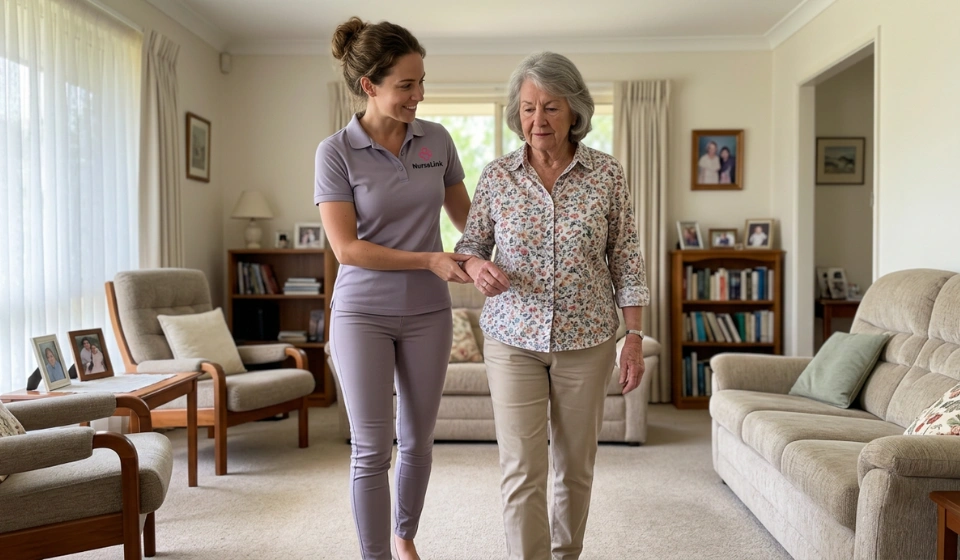
- Physiotherapy & Mobility Support: Physiotherapists provide exercises to improve strength, balance, flexibility and mobility, particularly after illness or injury.
- Occupational Therapy: Occupational therapists help seniors manage everyday activities, such as dressing, bathing and cooking. They may recommend assistive equipment or home modifications.
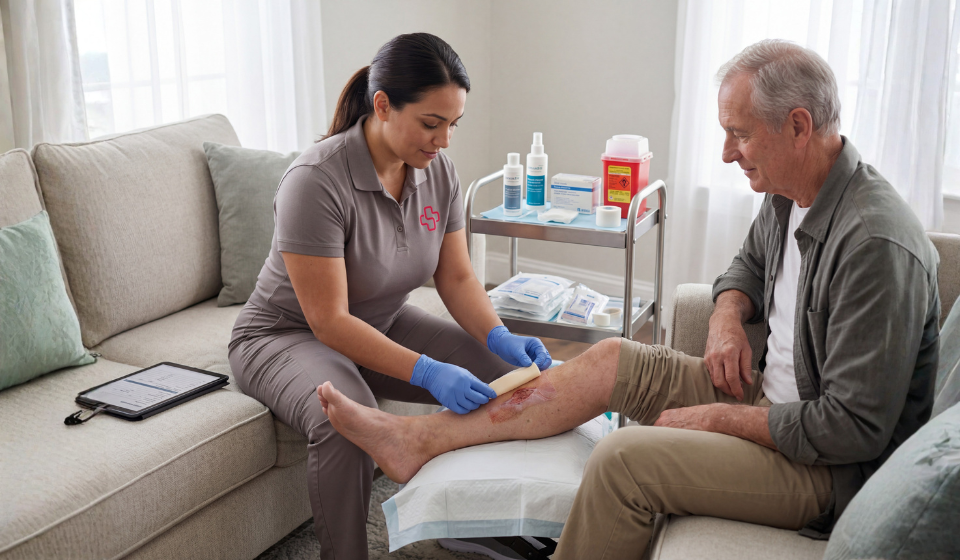
- Nursing Care & Health Monitoring: Nurses provide clinical support, monitor health conditions and assist with medication management.
- Personal Care: Older adults may receive assistance with showering, dressing and other daily activities while working towards greater independence.
- Allied Health & Rehabilitation: Other suitable services may address specific functional needs and support recovery.
Individualised care planning and progress monitoring are also important. The restorative care provider coordinates services, reviews progress and helps participants work towards their personal goals.
What Are The Benefits Of The Restorative Care Pathway For Older Adults?
The Restorative Care Pathway helps older adults maintain or improve functional abilities, build confidence and continue living independently. Outcomes vary according to individual health conditions, goals and participation.
Key benefits include:
- Improved Mobility & Strength: Targeted exercises can help older adults improve balance, muscle strength and movement, making everyday activities easier.
- Greater Independence: Occupational therapy and practical support can help seniors manage tasks such as dressing, preparing meals and moving safely around their homes.
- Increased Confidence: Achieving personal goals, such as walking independently or returning to favourite activities, can improve confidence and self-esteem.
- Reduced Risk Of Falls: Balance training, mobility exercises and home safety recommendations can help address factors associated with falls.
- Improved Emotional Wellbeing: Regaining abilities can make it easier to participate in hobbies, visit friends and engage in community activities.
Restorative care may also help older adults remain at home for longer. By addressing functional difficulties, it can support familiar routines and potentially delay the need for additional ongoing assistance. However, some participants may still require further care after completing the program.
How To Access The Restorative Care Pathway In Australia
Older Australians can access the Restorative Care Pathway through My Aged Care and an aged care assessment. The assessment determines whether the program is appropriate and identifies the support required.
The process generally involves these steps:
- Contact My Aged Care: Call 1800 200 422 or visit the My Aged Care website to discuss care needs and arrange an assessment.
- Complete An Assessment: An assessor evaluates health, mobility and daily living abilities through the Single Assessment System.
- Receive An Outcome: Eligible individuals receive a support plan outlining approved services and funding.
- Choose A Provider: Participants can select an approved restorative care provider to coordinate services and develop a personalised goal plan.
- Begin Care: Once arrangements are finalised, participants can start receiving approved services.
The pathway provides funding of approximately $6,000 for an episode of up to 16 weeks. Eligible participants may receive additional funding for a second episode, subject to assessment and program rules.
Families and carers can help older adults prepare for assessments, communicate their goals and attend appointments. They can also encourage participation in exercises and everyday activities throughout the program.
Conclusion
The Restorative Care Pathway provides short-term, goal-based support to help older Australians regain or maintain independence. Through nursing, physiotherapy, occupational therapy and personalised care planning, it can improve mobility, support everyday activities and contribute to quality of life. Understanding eligibility and accessing suitable services can help older adults and their families make informed care decisions.
Frequently Asked Questions
What Is The Restorative Care Pathway?
The Restorative Care Pathway is a short-term aged care program under Australia’s Support at Home program. It provides coordinated nursing and allied health services to help older adults regain or maintain independence. The program can last up to 16 weeks and focuses on personal goals, such as improving mobility and managing everyday activities.
What Is The Purpose Of Restorative Care?
The purpose of restorative care is to help older adults maintain or regain physical abilities and independence. It provides targeted support following illness, injury or functional decline. The program aims to improve everyday functioning, support recovery and potentially delay the need for ongoing aged care services.
Who Is Eligible For The Restorative Care Pathway?
Older Australians may be eligible if an aged care assessment identifies that they could benefit from short-term nursing or allied health services. Eligibility depends on their care needs, potential to achieve personal goals and ability to participate in the program.
What Services Are Available Through The Restorative Care Pathway?
Services may include physiotherapy, occupational therapy, nursing care, personal assistance and other approved allied health interventions. Participants may also receive suitable assistive technology or home modifications. The services depend on assessed needs, the approved support plan and individual goals.
How Long Does The Restorative Care Pathway Last?
A restorative care episode can last up to 16 weeks. Eligible participants may access a second episode within 12 months, subject to assessment and funding rules. The duration and services depend on individual goals, care needs and progress throughout the program.