Cough etiquette refers to hygiene practices that help prevent the spread of respiratory infections when people cough or sneeze. For healthcare workers, following proper cough etiquette protects patients, colleagues and visitors, particularly vulnerable individuals, while supporting a safer healthcare environment.
What Is Cough Etiquette & Why Is It Important In Healthcare Settings?
Cough etiquette refers to practices that help contain respiratory secretions when coughing or sneezing. Respiratory hygiene is the broader approach to managing respiratory symptoms through appropriate hygiene, tissue disposal, mask use and infection prevention measures.
The importance of cough etiquette is particularly clear in healthcare environments, where people may have different levels of immunity and underlying health conditions. Older adults, people with disabilities and individuals with weakened immune systems may face greater risks from respiratory infections. Healthcare workers can protect these groups by consistently following recommended precautions.
Cough etiquette supports safer care in several ways:
- Protects Vulnerable Patients: Reduces avoidable exposure to infectious respiratory secretions.
- Supports Staff Safety: Helps limit the risk of acquiring or transmitting infections.
- Promotes Good Hygiene: Encourages appropriate coughing, sneezing and tissue disposal.
- Strengthens Infection Prevention: Complements hand hygiene and personal protective equipment.
- Improves Public Awareness: Helps patients and visitors understand their responsibilities.
A cough etiquette sign in waiting rooms and treatment areas can remind staff, patients and visitors to follow these practices.
How Do Respiratory Infections Spread Through Coughing & Sneezing?
Respiratory infections can spread when an infected person releases particles containing infectious microorganisms through coughing, sneezing or talking. Other people may become infected by inhaling these particles or, for some infections, by touching contaminated hands or surfaces before touching their eyes, nose or mouth.
Common respiratory infections include influenza, COVID-19, respiratory syncytial virus (RSV) and the common cold. Transmission risks can increase in crowded indoor spaces, particularly when ventilation is inadequate. Important precautions include:
- Recognising Symptoms: Coughing, sneezing, fever and a runny nose may indicate infection.
- Identifying Risks: Close contact and poorly ventilated spaces can increase exposure.
- Assessing Patients: People with respiratory symptoms may need masks or additional precautions.
- Following Protocols: Healthcare workers should apply standard and transmission-based precautions when indicated.
- Responding Early: Reporting symptoms promptly helps support appropriate infection control.
It is important to understand that a cough is a symptom, not a respiratory disease itself. It may result from infections, asthma, allergies or other conditions. Healthcare workers should assess symptoms appropriately rather than assuming every cough has the same cause.
Essential Cough Etiquette Practices Every Healthcare Worker Should Follow
Proper cough etiquette involves practical actions that contain respiratory secretions, maintain hand hygiene and reduce infection transmission. Healthcare workers should incorporate these practices into routine patient care.
What Does ACAT Stand For In Aged Care?
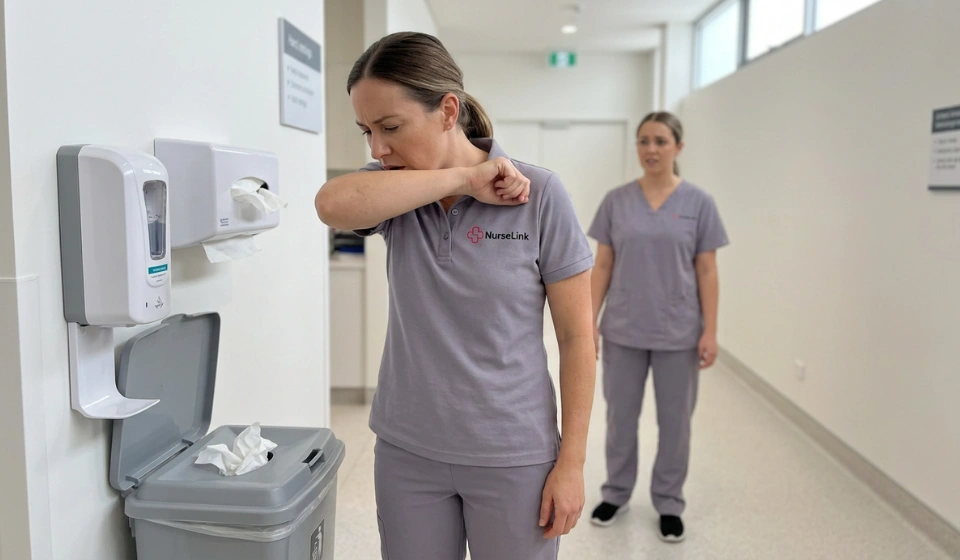
Cover the mouth and nose with a tissue when coughing or sneezing. If a tissue is unavailable, use the bent elbow rather than bare hands. This helps reduce the spread of respiratory secretions onto nearby people and surfaces.
Dispose Of Tissues Safely
Place used tissues in an appropriate waste bin immediately. Avoid leaving tissues on bedside tables or shared equipment. Perform hand hygiene after disposal to reduce contamination risks.
Perform Hand Hygiene
Hand hygiene is a fundamental part of infection control cough etiquette. Clean hands after coughing, sneezing, handling used tissues or contacting respiratory secretions. Alcohol-based hand rub is suitable for many routine situations when hands are not visibly soiled. Use soap and water when hands are visibly dirty and whenever required by relevant guidance.
Wear A Mask When Appropriate
Masks can help reduce exposure to infectious respiratory particles when selected and used correctly. Healthcare workers should follow workplace policies and risk assessments when caring for patients with respiratory symptoms.
Maintain Appropriate Distance
Reducing close contact with people who have respiratory symptoms can limit exposure when clinically appropriate. Healthcare facilities should also consider patient placement and ventilation. Distance alone cannot prevent every respiratory infection.
Recognise & Report Symptoms
Healthcare workers should recognise respiratory symptoms in themselves and their patients. Staff who become unwell should follow workplace reporting and attendance procedures. New or worsening patient symptoms should be reported to the appropriate clinical team.
Follow Healthcare Facility Protocols
Healthcare facilities should have clear infection prevention procedures covering respiratory symptoms, PPE and patient placement. Staff must follow standard precautions and additional transmission-based precautions, including isolation when indicated.
The Role Of Masks, Hand Hygiene, & Respiratory Hygiene In Infection Prevention
Masks, hand hygiene and respiratory hygiene work together to reduce respiratory infection risks. Their effectiveness depends on correct use and combining them with other appropriate precautions.
- Medical Masks: Help reduce exposure to respiratory droplets and particles, depending on their design, fit and use.
- Respirators: P2 or N95 respirators provide higher respiratory protection when appropriately selected and fitted. Fit testing and training may be required.
- Hand Hygiene: Alcohol-based hand rub is suitable for many routine situations, while soap and water are preferred when hands are visibly dirty.
- Ventilation & Cleaning: Adequate ventilation can reduce airborne particle concentrations, while appropriate cleaning helps manage contamination on shared surfaces and equipment.
- Correct PPE Use: Masks should be worn, removed and replaced according to manufacturer instructions and workplace procedures.
These measures complement infection control cough etiquette by addressing different routes of transmission. Healthcare workers should follow current Australian health guidance and facility policies when selecting precautions for specific infections.
Common Cough Etiquette Mistakes Healthcare Workers Should Avoid
Common mistakes include failing to cover coughs, neglecting hand hygiene and wearing masks incorrectly. These actions can create avoidable opportunities for respiratory secretions to spread in healthcare environments.
Healthcare workers should avoid:
- Coughing or sneezing into bare hands.
- Reusing tissues or leaving used tissues on shared surfaces.
- Skipping hand hygiene after contact with respiratory secretions.
- Wearing damaged or incorrectly positioned masks.
- Touching the eyes, nose or mouth with unclean hands.
- Ignoring symptoms or failing to report concerns.
- Overlooking ventilation and additional precautions when required.
- Assuming cough etiquette alone prevents every respiratory infection.
Regular staff training, clear workplace policies and accessible hygiene supplies can help prevent these mistakes. Providing tissues, waste bins, hand hygiene facilities and visible cough etiquette signs makes recommended practices easier to follow.
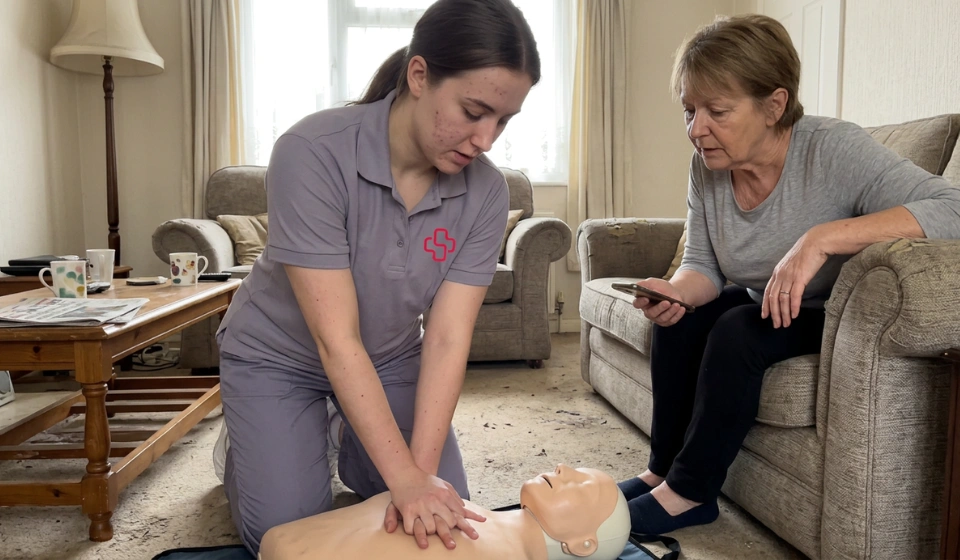
Healthcare organisations should reinforce these habits through practical demonstrations and routine reviews of infection prevention procedures. Consistent implementation helps make respiratory hygiene a normal part of safe patient care.
Conclusion
Cough etiquette is a fundamental part of infection prevention in healthcare settings. Covering coughs and sneezes, disposing of tissues safely, practising hand hygiene, using appropriate masks and following workplace protocols help protect patients, healthcare workers and visitors. Incorporating these practices into everyday care supports safer environments across hospitals, aged care facilities, clinics and homecare settings.
Frequently Asked Questions
What Is Cough Etiquette?
Cough etiquette is a set of hygiene practices designed to reduce the spread of respiratory secretions when coughing or sneezing. It includes covering the mouth and nose, disposing of used tissues safely and performing hand hygiene. Healthcare workers should also follow appropriate mask-use requirements and workplace infection prevention procedures.
Why Is Cough Etiquette Important In Healthcare Settings?
Cough etiquette helps reduce respiratory infection transmission between patients, healthcare workers and visitors. It is particularly important when caring for older adults and people with weakened immune systems. Consistent hygiene practices, appropriate PPE and additional precautions help reduce avoidable exposure and support safer patient care.
What Is Proper Cough Etiquette For Healthcare Workers?
Proper cough etiquette involves covering coughs and sneezes with a tissue or bent elbow, disposing of tissues immediately and cleaning hands afterwards. Healthcare workers should wear appropriate masks when indicated, recognise respiratory symptoms and follow workplace infection prevention procedures to minimise transmission risks.
How Is Cough Etiquette Used To Stop Infection Spreading?
Cough etiquette helps contain respiratory secretions and reduces contamination of hands and nearby surfaces. Covering coughs, disposing of tissues correctly and performing hand hygiene limit opportunities for infectious material to reach other people. Combined with appropriate masks and ventilation, these practices support infection prevention.
Is A Cough A Respiratory Disease?
A cough is a symptom or protective reflex rather than a disease itself. It can occur because of respiratory infections, asthma, allergies and other conditions. A new, persistent or worsening cough should be assessed appropriately, especially when accompanied by fever or breathing difficulties.
What Are The Five Elements Of Respiratory Hygiene & Cough Etiquette?
Five practical elements are covering coughs and sneezes, disposing of used tissues safely, performing hand hygiene, wearing a mask when appropriate and maintaining suitable distance when respiratory symptoms are present. Healthcare workers should also follow facility protocols and additional precautions when required.