
Holding The Line
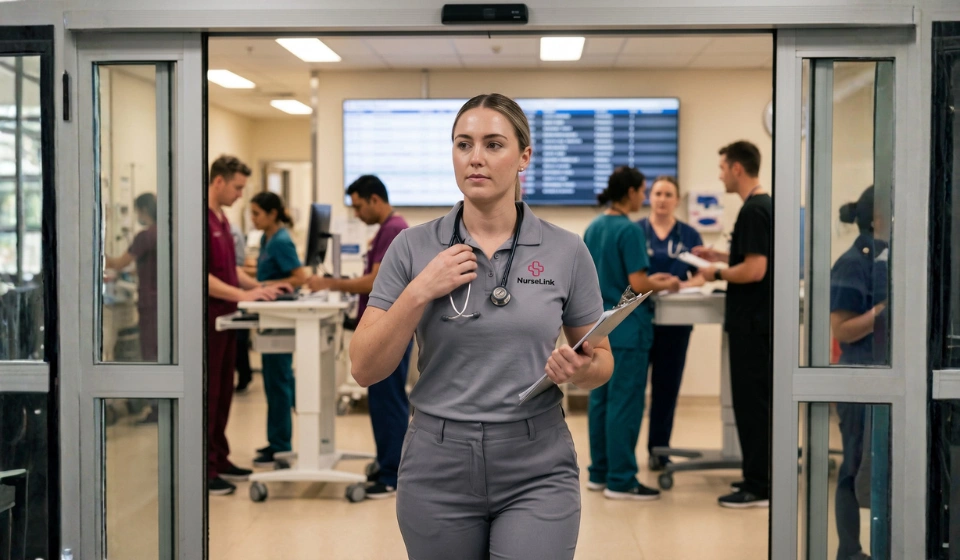
How NurseLink Saved A Geelong Emergency Department After Mass Resignations
A Case Study In Emergency Triage Nursing Deployment During A Workforce Crisis
Introduction
An emergency department does not get to close. It does not get to pause operations while a staffing crisis is resolved, reschedule its patients to a more convenient time or ask the community it serves to come back when things have settled down. The doors stay open because the alternative is not an option, and every person who walks or is carried through them deserves to be assessed, triaged and treated by someone who knows what they are doing.
This is what makes a sudden and significant loss of triage nursing staff in an emergency department one of the most operationally dangerous events a hospital can face. Triage is the first clinical decision in the emergency pathway. It determines who is seen first, who can safely wait and who cannot wait at all. When the nurses who perform that function are gone, not reduced or stretched but gone, the consequences reach every patient who presents to the department until the gap is filled.
Mass resignations in healthcare are not common, but they happen. They happen when workplace conditions deteriorate beyond what a workforce is willing to absorb, when a specific incident acts as a catalyst for a collective decision that has been building for some time, or when a combination of circumstances aligns in a way that produces an outcome no one anticipated and no one had a contingency plan for.
When an emergency department in Geelong, Victoria found itself facing exactly this situation, the pressure on its leadership team was immediate, intense and without an obvious solution within the facility’s own resources. NurseLink Healthcare was contacted within hours.
To protect the privacy of the facility and the individuals involved, all identifying details have been kept confidential throughout this case study.
The Facility & Its Situation
The emergency department at the centre of this case study serves a significant catchment area in Geelong and its surrounds, managing a high volume of presentations across the full spectrum of emergency acuity, from minor injuries and illness to time-critical presentations requiring immediate clinical intervention. It operates around the clock, across a rostered nursing workforce that includes triage-credentialled registered nurses whose role is to assess every patient who presents, assign an Australasian Triage Scale category and ensure that the flow of patients through the department reflects clinical priority rather than arrival order.
The resignation event that triggered this engagement was the result of a workplace dispute that had been simmering for some time and that reached a breaking point in a way that the department’s management had not anticipated in its timing or its scale. Within a short period, a significant number of the department’s triage-credentialled nurses had tendered their resignations, with notice periods that varied but left the department facing an immediate and severe reduction in its triage nursing capacity.
The Director of Nursing, who had managed complex staffing situations before but had not encountered one of this magnitude or this speed, was working through the implications within hours of the resignations being received. The department could not function safely at the triage point without qualified triage nurses. Redistributing existing staff from other roles within the department could provide a partial bridge but not a complete one, and doing so would create secondary gaps elsewhere in the clinical workflow. Asking permanent staff to cover additional shifts was possible for a day or two but not for the weeks that lay ahead while the recruitment of permanent replacements was initiated and pursued.
NurseLink Healthcare received the call that evening.
Understanding What The Department Actually Needed
The conversation between NurseLink Healthcare and the Director of Nursing was direct and efficient, because the situation demanded both. She needed triage-credentialled registered nurses, experienced in emergency department settings, available to begin shifts within days and capable of functioning at the triage point of a busy metropolitan-adjacent emergency department without a significant orientation period.
She was specific about what triage credentialling meant in this context. The Australasian Triage Scale is the framework, but applying it in a busy emergency department requires clinical experience that goes beyond familiarity with the categories. It requires the capacity to assess a patient rapidly and accurately under pressure, to make decisions that have immediate consequences for clinical outcomes and to do so consistently across a shift that may involve hundreds of presentations of varying complexity and acuity. A nurse without genuine emergency department experience, however clinically competent in other settings, was not what this situation required.
She also raised something that she acknowledged was harder to specify but that mattered enormously. The department was in a difficult moment. The remaining permanent staff were managing the aftermath of a significant workplace event alongside their clinical responsibilities, and the atmosphere in the department was tense. The nurses NurseLink Healthcare sent needed to be professionals who could read that environment, integrate without creating additional friction and bring a steadying presence to a team that was under pressure from multiple directions simultaneously.
NurseLink Healthcare confirmed it could meet the brief and began mobilising immediately.
The NurseLink Healthcare Solution
Triage-Credentialled Nurses Identified & Deployed Within Days
NurseLink Healthcare’s response prioritised finding the right nurses over finding the fastest available nurses. The requirement for genuine triage credentialling and emergency department experience narrowed the relevant pool significantly, and NurseLink Healthcare drew on its specialist emergency nursing network to identify registered nurses whose backgrounds matched what the department needed.
Within days of the initial call, the first NurseLink Healthcare nurses were rostered onto triage shifts at the department. Every nurse placed had verified AHPRA registration, confirmed triage credentialling and a clinical background that included substantive emergency department experience. None arrived at the triage point without having demonstrated, through their credentials and their history, that they were qualified to be there.
Each nurse received a focused orientation to the department’s specific protocols, systems and escalation pathways before their first shift, delivered efficiently and without the extended orientation processes that a lower acuity setting might require. Experienced emergency nurses do not need to be taught what triage is. They need to know how this particular department does it, and that is a significantly smaller and faster knowledge transfer.
Covering The Roster Without Gaps
NurseLink Healthcare structured the placement to cover the triage nursing roster across all shifts, including nights and weekends, for the duration of the engagement. The Director of Nursing had been clear that partial coverage was not an adequate solution. A triage point that was staffed appropriately on weekday mornings but inadequately on weekend nights had not solved the problem. It had relocated it.
The roster NurseLink Healthcare built covered the full shift cycle, with sufficient nurses in the placement pool to manage the natural variability of a several-week engagement, including the occasional shift change required when a placed nurse was unavailable. The department’s management had a clear view of the upcoming roster at all times and a direct contact at NurseLink Healthcare who could resolve any rostering question promptly.
Nurses Who Integrated Without Adding To The Pressure
The nurses NurseLink Healthcare placed understood, without needing to be briefed explicitly, that they were arriving into a department that had been through something difficult. They brought to the role the professional composure of experienced emergency nurses who had worked in demanding environments before and who were not rattled by the particular intensity of an emergency department managing a workforce crisis alongside its clinical workload.
They integrated with the permanent team with the particular combination of clinical confidence and interpersonal attentiveness that the situation called for. They did not arrive with opinions about the circumstances that had produced the vacancy they were filling. They arrived to do the clinical work, to do it well and to be the kind of steady, capable colleagues that a stressed permanent team could rely on rather than manage.
Ward managers noted, within the first fortnight, that the triage point was functioning with the consistency and quality that patient safety required, and that the presence of the NurseLink Healthcare nurses had contributed to a gradual stabilisation of the department’s overall atmosphere.
Supporting The Permanent Recruitment Process
With the immediate triage nursing gap covered, the department’s nursing leadership was able to pursue the permanent recruitment process with the focus and deliberateness it required. Advertising positions, reviewing applications, conducting interviews and completing the credentialling and onboarding process for new permanent triage nurses takes time, and that time needs to be available. With NurseLink Healthcare holding the triage roster, the Director of Nursing and her management team were not spending their days managing a daily staffing crisis. They were building toward a permanent solution.
As new permanent nurses were recruited and onboarded progressively across the later weeks of the engagement, NurseLink Healthcare’s nurses supported their orientation and integration, transferring the operational knowledge they had built in the department in a way that smoothed the transition from agency supported to permanently staffed.
Outcomes & Impact
The Emergency Department Did Not Close Or Reduce Its Service
Throughout the four to six weeks of NurseLink Healthcare’s involvement, the emergency department maintained full operational capacity. Triage was staffed appropriately across every shift. Patient presentations were assessed and categorised without delay. The community that depends on that department for emergency care did not experience any reduction in access or any deterioration in the standard of assessment at the point of entry. The department held its line.
Patient Safety Was Maintained Throughout
The triage point, which is the clinical gateway through which every patient’s emergency journey begins, operated without the gaps or compromises in assessment quality that an understaffed triage nursing roster would have produced. No patient waited without triage assessment beyond the clinically acceptable timeframe for their presentation category. No clinical incident attributable to triage staffing inadequacy occurred during the engagement period.
The Permanent Team Stabilised
The presence of competent, steady and professionally grounded agency nurses alongside the remaining permanent staff had an effect on the department’s internal atmosphere that the Director of Nursing described as meaningful and measurable. A team that had been managing clinical workload alongside the emotional aftermath of a significant workplace event began, over the weeks of the engagement, to find its footing again. The work was still demanding. The circumstances were still difficult. But the triage point was covered, the shifts were manageable and the sense of operating in perpetual crisis began to recede.
Permanent Recruitment Was Completed On A Sensible Timeline
Because the immediate staffing crisis was resolved rather than merely contained, the permanent recruitment process proceeded at a pace that allowed proper evaluation of candidates rather than desperate acceptance of whoever was available. The permanent triage nurses who were ultimately appointed were appointed because they were the right people, not because the department had run out of time to look for better ones.
A Reflection From The Director Of Nursing
In her feedback to NurseLink Healthcare following the conclusion of the engagement, the Director of Nursing reflected on what the support had meant:
“I have been in nursing management for a long time and I have never had a week quite like the one that started this engagement. What I needed was people I could trust at the most critical point in the department, the triage desk, immediately and consistently. NurseLink delivered that. The nurses they sent were experienced, professional and exactly what a department under pressure needed. We kept the doors open, we kept patients safe and we came out of it with a permanent team in place. That is the outcome. I am genuinely grateful.”
Key Takeaways From This Case Study
Emergency department triage requires specialised placement, not generalised nursing cover. The clinical decisions made at the triage point of an emergency department have immediate and direct consequences for patient safety. Filling a triage nursing gap with nurses who lack emergency department experience and triage credentialling is not a solution. It is a substitution of one risk for another.
Speed and quality are not mutually exclusive in emergency placements. The urgency of a mass resignation event can create pressure to accept whoever is available rather than whoever is appropriate. NurseLink Healthcare’s specialist emergency nursing network made it possible to respond quickly without compromising on the clinical standards the placement required.
Agency nurses who integrate well reduce the burden on permanent staff. A placement that requires the permanent team to supervise, guide or manage agency nurses adds to a stressed team’s workload rather than relieving it. Nurses who arrive with the experience and professional composure to function independently from the first shift are what a department in crisis actually needs.
Covering the gap properly creates space for the permanent solution. An agency placement that addresses only part of the roster gap, or that covers the most visible shifts while leaving others exposed, does not give the department’s leadership the operational stability needed to pursue permanent recruitment properly. Complete coverage is what makes the permanent solution possible.
Conclusion
Emergency departments carry a responsibility that most healthcare services do not. They cannot defer, reschedule or redirect. They exist to be there, for whoever comes through the doors, whenever they come.
When the triage nursing workforce that makes that possible is suddenly and significantly reduced, the pressure that falls on the department’s leadership is unlike almost any other staffing challenge in healthcare. The margin for delay is measured in hours, not weeks, and the consequences of an inadequate response are borne directly by patients.
NurseLink Healthcare responded to exactly that situation in Geelong with the speed, the clinical rigour and the professionalism that a busy emergency department deserved. The triage point was staffed. The department stayed open. The patients who came through the doors were assessed and treated without interruption to the standard of care they had every right to expect.
If your emergency department, or any acute clinical service you lead, is facing a sudden and significant nursing shortage, we welcome the call. NurseLink Healthcare is here to respond when the situation does not allow for anything less.
Latest Post
Holding The Line
Open On Day One

When The Wards Couldn’t Wait
Burnout Across An Entire Healthcare Team
When The Roster Falls Apart At Midnight

When The Ambulance Left, The Real Work Started.

One Sick Call, One Struggling Ward
Reliable Nursing Support At Home

Ensuring Continuity Of Care With Nursing Agency Support

Restoring Stability In Aged Care