
When The Cycle Cannot Wait
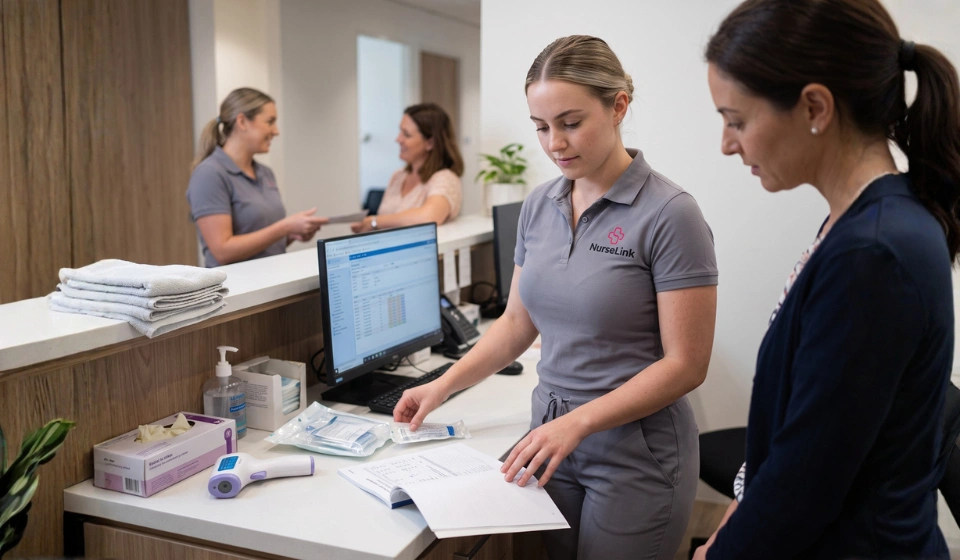
How NurseLink Kept A Fertility Clinic Running Through A Critical IVF Period.
A Case Study In Specialist Fertility Nursing Support That Protected Patients At The Most Important Moment Of Their Treatment
Introduction
An IVF cycle does not pause for staffing problems. From the moment a woman begins her stimulation medication, the clinical timeline is set. Monitoring appointments happen on specific days because the follicles being tracked are developing on a biological schedule that does not negotiate with administrative challenges. Egg collection is performed at a window measured in hours, not days. Embryo transfer follows its own precise sequence. And the patients moving through this process, many of whom have been trying to have a child for years and for whom this cycle represents an enormous investment of hope, money and emotional courage, are depending on the clinic to be fully operational for every step of it.
A fertility clinic that loses a significant portion of its nursing team in the weeks before an active IVF cycle faces a clinical and ethical challenge that is unlike almost any other staffing crisis in healthcare. The patients whose cycles are already underway cannot simply be told that the clinic is managing a restructure and that their treatment will need to wait. Their biology is not waiting. Their medication protocols are already in progress. And the consequences of a gap in nursing coverage at a critical point in an IVF cycle, a missed monitoring appointment, a delayed trigger injection, a collection procedure that cannot proceed because the right clinical support is not present, are not merely inconvenient. They can end a cycle that cannot be easily restarted and that a patient may not have the financial or emotional capacity to repeat.
At NurseLink Healthcare, we understand that fertility nursing is a specialist discipline that sits at the intersection of clinical precision and profound human vulnerability. This case study documents how our team supported a private fertility clinic in Sydney, New South Wales, through four to six weeks of active IVF cycle nursing coverage after an unexpected team restructure left the clinic without adequate specialist nursing staff at the worst possible moment.
To protect the privacy of the clinic and the individuals involved, all identifying details have been kept confidential throughout this case study.
The Clinic & Its Situation
The clinic at the centre of this case study is a well-regarded private fertility centre in Sydney, providing IVF, egg freezing, fertility assessment and related reproductive medicine services to patients from across New South Wales and beyond. It operates with a team of reproductive endocrinologists, embryologists and specialist fertility nurses whose combined clinical expertise covers the full spectrum of assisted reproductive technology that the clinic’s patient population requires.
The nursing team at a fertility clinic occupies a role that is both clinically demanding and deeply relational. Fertility nurses manage the monitoring appointments that track a patient’s response to stimulation medication, administer injections, coordinate the precise timing of trigger medications and collection procedures, provide the patient education that allows women to manage complex medication protocols at home and are, in many cases, the clinical professional that patients have most contact with across the duration of their cycle. They know their patients’ histories, their anxieties and the specific emotional weight that each appointment carries for a person who has often been through a great deal to get there.
The restructure that precipitated the clinic’s nursing staffing crisis had been the result of an internal organisational change that had not been expected to produce the staffing outcome it produced. The details were the clinic’s own, and they are not relevant here. What is relevant is that within a short period, the clinic found itself with an active cohort of patients mid-cycle and a nursing team that was insufficient to provide the monitoring, coordination and procedural support that those patients required.
The clinic’s nurse manager, who had been managing fertility nursing teams for many years and who understood with painful clarity what the timing of this gap meant for the patients currently in cycle, contacted NurseLink Healthcare within days of the restructure outcome becoming clear.
Understanding What The Clinic Actually Needed
The conversation NurseLink Healthcare had with the clinic’s nurse manager was one that moved quickly from context to specifics, because the timeline did not allow for a lengthy assessment process. She knew exactly what she needed and she communicated it with the precision of a clinician who understood that imprecision in this context had direct patient consequences.
She needed registered nurses with specific fertility and reproductive medicine nursing experience. Not nurses who had worked in gynaecology and felt they could adapt, and not nurses whose familiarity with reproductive medicine was theoretical. She needed nurses who had worked in IVF clinics, who understood the monitoring protocols, who could read an ultrasound scan report in the context of a stimulation cycle and understand what it meant for the patient’s clinical management, who could administer trigger injections with the timing precision that the procedure required and who could provide the patient education and emotional support that fertility patients needed from the nursing staff around them at every point in their cycle.
She was also specific about the patient population context. The women currently in cycle at the clinic were at various stages of their treatment, some in early stimulation monitoring, some approaching collection and some in the luteal phase following embryo transfer. Each stage carried its own clinical requirements and its own emotional register, and the nurses placed needed to be able to move between patients at different points in their cycle without losing the specific clinical focus that each stage required.
She raised something that she said she always raised when discussing fertility nursing placements, because she had learned from experience that not every nurse understood it without being told. Fertility patients are not hospital patients. They are, in most cases, otherwise healthy people who are going through a medically intensive process voluntarily, in pursuit of something they want more than almost anything else. The vulnerability they bring to every interaction is not clinical vulnerability in the conventional sense. It is the vulnerability of hope, and it deserves to be treated with a specific kind of care that not every nursing background prepares a person for.
NurseLink Healthcare confirmed the placement and began the identification process immediately.
The NurseLink Healthcare Solution
Specialist Fertility Nurses Identified & Confirmed Rapidly
NurseLink Healthcare’s search for appropriate nurses drew on its specialist network with a specific and narrow focus. The pool of registered nurses with genuine fertility clinic experience in Sydney was not large, and identifying nurses within it who were available for the engagement timeline required targeted outreach rather than a broad availability search.
Within days, NurseLink Healthcare had confirmed two registered nurses with specific IVF clinic nursing backgrounds, both of whom had experience covering the full scope of clinical tasks the clinic required across an active cycle period. Their credentials were verified, their fertility nursing backgrounds were confirmed through clinical reference checks and they were briefed comprehensively on the clinic’s specific protocols and patient cohort before their first shifts.
The nurse manager reviewed their profiles before either of them set foot in the clinic and confirmed that both met the clinical standard the placement required. Her confirmation was based on specifics, not reassurance, and NurseLink Healthcare had provided the specifics.
Operational From The First Day
Both nurses began their placements with a focused orientation that the clinic’s nurse manager had designed specifically for agency nurses stepping into an active cycle environment. The orientation covered the clinic’s monitoring protocols, its medication administration procedures, its documentation systems and the specific clinical status of the patients currently in cycle. It was efficient and clinically targeted, designed for nurses who already understood IVF nursing and needed to understand how this particular clinic did it.
From the first day of the placement, the clinic’s monitoring schedule ran as planned. Patients who had early morning ultrasound appointments for follicle tracking were seen on time, by nurses who understood what they were looking at and who could communicate the findings to the patient in a way that was both clinically accurate and appropriately sensitive to the anxiety that a monitoring appointment in an IVF cycle almost always carries.
Medication administration proceeded correctly and on time. The precise timing requirements of trigger injections were managed without compromise. The clinical documentation that the clinic’s patient records required was completed accurately and consistently. The reproductive endocrinologists found, from the first days of the placement, that the nursing support they were working alongside was competent and reliable in a way that allowed them to focus on their own clinical work rather than managing the uncertainty of an inadequate nursing team.
Managing Patients Through The Most Sensitive Phase Of Their Cycle
The nurses NurseLink Healthcare placed brought to every patient interaction the specific combination of clinical precision and human attentiveness that fertility nursing requires. They understood that the woman sitting in the monitoring chair at seven in the morning had probably not slept well, was administering injections to herself each evening in a process that was both medically significant and emotionally exhausting and was measuring every piece of clinical information she received against the enormous hope that had brought her to this clinic.
They delivered clinical information clearly and honestly, because fertility patients deserve honesty and because vague reassurance from a nurse whose clinical read of a monitoring result is uncertain is worse than useful. They communicated the emotional weight of what their patients were going through without becoming absorbed into it, which is the specific professional balance that experienced fertility nurses develop and that nurses without this background often find difficult to maintain.
Several patients, in the ordinary feedback channels the clinic maintained, commented on the quality of the nursing care they had received during the placement period. Two patients specifically mentioned the manner in which monitoring results had been communicated to them, noting that the nurse had been both clear and kind in a way that had made a difficult piece of information easier to receive. The nurse manager noted these comments and passed them to NurseLink Healthcare, because they reflected exactly the standard the placement had been designed to meet.
Supporting Egg Collection & Embryo Transfer Procedures
The procedural nursing support required for egg collection and embryo transfer procedures was provided across the placement period without interruption to the procedural schedule. Both procedures require nursing involvement that is clinically precise and personally sensitive, and the nurses NurseLink Healthcare placed managed both with the competence and the manner that the clinic’s standard required.
Egg collection, in particular, is a procedure that patients approach with a combination of anticipation and apprehension that requires the nursing team present to be both clinically focused and genuinely attentive to the patient’s comfort and anxiety. The nurses managed this balance as experienced fertility nurses do, which is to say without drawing attention to the balance itself but simply by providing care that was both things simultaneously.
Communication With The Clinic's Clinical Leadership
Throughout the placement, NurseLink Healthcare maintained active communication with the clinic’s nurse manager, providing a responsive account management contact for any operational questions or concerns that arose and ensuring that the placement was functioning as intended from both the clinical and the operational perspective. When a scheduling adjustment was required mid-placement to accommodate a change in the cycle timelines of a cohort of patients, NurseLink Healthcare responded to the adjustment promptly and without disruption to coverage.
Outcomes & Impact
Every Patient In Cycle Received Uninterrupted Clinical Care
The most clinically significant outcome of the engagement was that no patient currently in cycle at the time of the restructure experienced a disruption to their clinical care attributable to the nursing staffing gap. Every monitoring appointment was attended. Every medication administration was managed correctly and on time. Every procedural requirement was met. The patients who were mid-cycle when the restructure occurred completed their cycles with the same standard of nursing support they had received before it.
Cycle Outcomes Were Not Compromised
The clinical outcomes of the cycles managed during the placement period reflected the standard that the clinic’s reproductive endocrinology team and its embryology team produced, without the compromise that a nursing gap at critical clinical points could have introduced. Egg collections proceeded at the clinically optimal time. Embryo transfers were managed according to protocol. The nursing contribution to cycle outcomes, which is genuinely significant across the stages of an IVF cycle where timing and clinical precision matter most, was maintained without interruption.
The Clinic's Reputation With Its Patients Was Protected
A fertility clinic’s relationship with its patients is built on trust, and that trust is particularly fragile at the moment when a patient is mid-cycle and most dependent on the clinic to deliver what it has committed to. A clinic that communicates to mid-cycle patients that a staffing restructure has affected its nursing capacity risks damaging a trust relationship that is difficult to repair. NurseLink Healthcare’s rapid deployment of specialist fertility nurses meant that the clinic did not have to have that conversation. Its patients experienced no disruption and had no reason to question the clinic’s capacity to support them through their cycle.
The Permanent Recruitment Process Was Conducted Properly
With the immediate clinical gap covered, the clinic’s leadership was able to conduct the permanent nursing recruitment process with the care that specialist fertility nursing appointments deserve. The permanent nurses who were subsequently appointed were selected on the basis of their suitability for the role, assessed without the pressure of an active clinical gap making every available candidate look acceptable. The clinic emerged from the restructure with a permanent nursing team that had been properly evaluated and appointed, rather than hastily assembled.
A Reflection From The Nurse Manager
In her feedback to NurseLink Healthcare following the conclusion of the engagement, the clinic’s nurse manager shared the following:
“Fertility nursing is not a specialty that you can improvise your way through. Our patients are in one of the most emotionally and physically demanding experiences of their lives, and the nurses who support them need to understand that and be able to meet it clinically and personally. NurseLink found us nurses who genuinely knew this work. They stepped in during an active cycle period, managed our patients with the standard our clinic is known for and made sure that not one of those patients had reason to feel that anything was less than it should have been. In our specialty, that is everything.”
Key Takeaways From This Case Study
Fertility nursing is a specialist discipline that cannot be substituted with general nursing availability. The clinical scope of IVF cycle nursing, from monitoring interpretation to precise medication timing to procedural support, requires nurses who have worked in fertility settings and understand the specific clinical and emotional context of reproductive medicine. NurseLink Healthcare’s placement process was built on this understanding.
An active IVF cycle cannot be paused for a staffing restructure. The biological timeline of a stimulation cycle waits for no administrative challenge. A clinic that finds itself without adequate nursing coverage mid-cycle has a clinical and ethical obligation to its patients that must be met regardless of the internal circumstances that produced the gap. NurseLink Healthcare’s rapid response to this engagement reflected an understanding of that obligation.
Fertility patients require a specific kind of nursing presence. The vulnerability of a person mid-IVF cycle is unlike most clinical vulnerabilities. It is the vulnerability of hope, and it requires nurses who can hold clinical precision and genuine human sensitivity simultaneously. Experienced fertility nurses bring this capacity as a professional skill, and it is not replicated by clinical competence alone.
Speed of specialist placement depends on the depth of the specialist network. Deploying experienced fertility nurses in days rather than weeks is not possible through a reactive general nursing search. It requires an existing specialist network with pre-verified credentials and known clinical profiles. NurseLink Healthcare’s response time in this engagement was made possible by the network that was already in place before the call came.
Conclusion
An IVF cycle is, for the patients who go through it, one of the most significant clinical and personal undertakings of their lives. It is expensive, physically demanding and emotionally consuming in ways that do not pause for the operational challenges of the clinic providing the care.
When the fertility clinic at the centre of this case study found itself facing an active cycle period without adequate specialist nursing coverage, the consequences for its patients were immediate and unacceptable. NurseLink Healthcare responded with the speed and the clinical precision that the situation required, placing experienced fertility nurses who managed the clinic’s patients through an active IVF period without a single disruption to the clinical care those patients depended on.
The cycles continued. The patients were cared for. The clinic’s standard was protected. And the families that those cycles were working toward had no reason to know that anything had nearly gone differently.
If your fertility clinic or specialist medical practice is facing a nursing staffing gap that cannot wait for a standard recruitment process, we welcome the call. NurseLink Healthcare is here to provide the specialist nursing support that your patients and your clinical team deserve.
Latest Post
When The Cycle Cannot Wait
Keeping The Clinic Running
When The Highway Brought Them In
Holding The Line

Open On Day One

When The Wards Couldn’t Wait
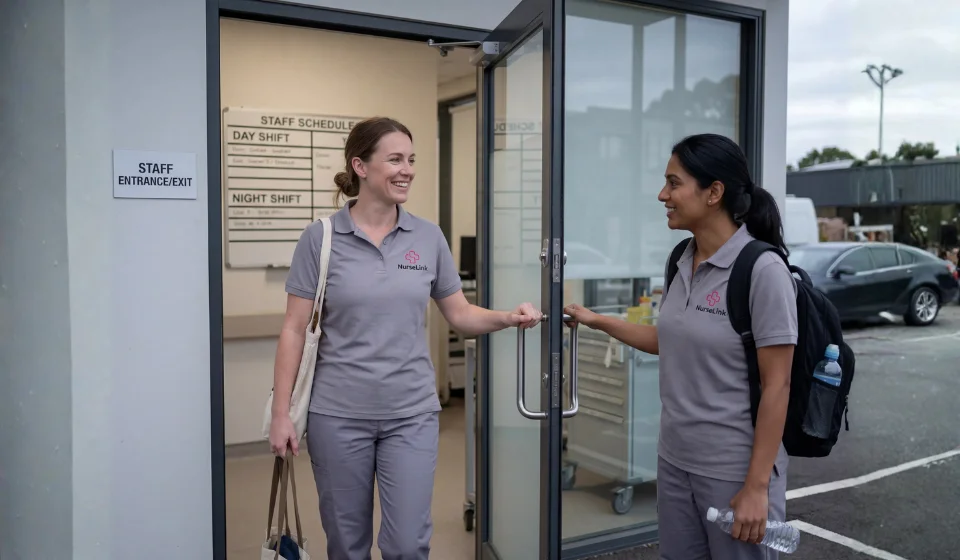
Burnout Across An Entire Healthcare Team

When The Roster Falls Apart At Midnight

When The Ambulance Left, The Real Work Started.

One Sick Call, One Struggling Ward
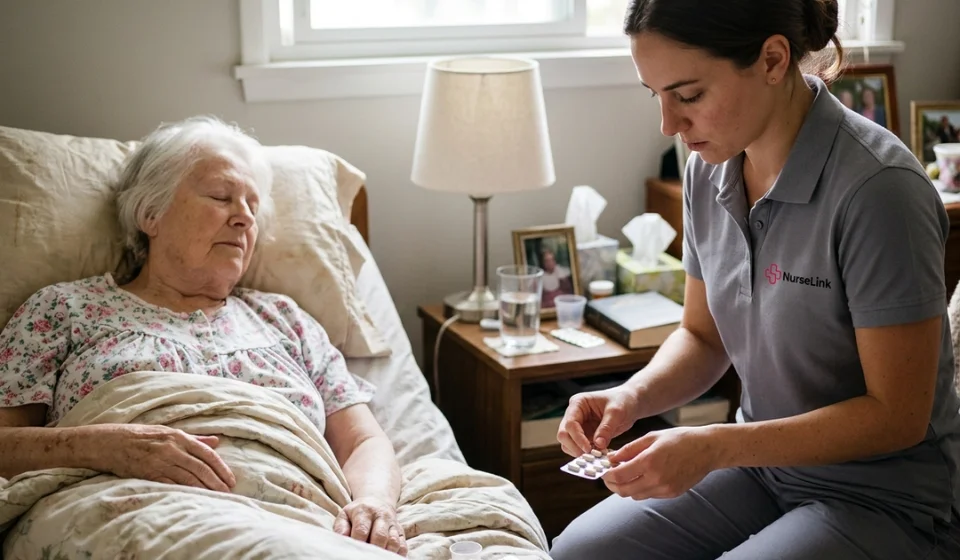
Reliable Nursing Support At Home

Ensuring Continuity Of Care With Nursing Agency Support

Restoring Stability In Aged Care