How NurseLink Healthcare's Palliative Nursing Helped A Glen Waverley Family Bring Their Father Home For The Last Weeks Of His Life
A Case Study In End-Of-Life Nursing That Cared For The Family As Much As The Patient
Introduction
Most people, when asked, say they would like to die at home. Surveys across Australia consistently show it, and so do the quiet conversations families have around kitchen tables. It is a wish that carries a great deal of meaning: familiar surroundings, familiar faces, a sense of closing a life in the place it was lived. And yet, when the time comes, many families find themselves unable to honour it, not because they do not want to, but because they are afraid.
They are afraid of getting something wrong. Afraid of not recognising when something is changing. Afraid of being alone in the house at three in the morning with a person they love and no idea what to do. The promise to a dying parent, made months earlier in a calmer moment, can feel suddenly impossible to keep.
Palliative nursing at home exists to make that promise achievable. It is not only about managing symptoms, though that matters enormously. It is about standing beside a family as they do something they have never done before, explaining what is happening, preparing them for what may come, and being present, competent and unhurried at the moments they need it most.
This case study documents how NurseLink Healthcare provided palliative nursing support to a family in Glen Waverley whose father, in his early seventies, had chosen to spend his final weeks at home, and how a nurse who treated the whole family as her patients helped them keep a promise they had been afraid they could not keep.
To protect the privacy of the client and his family, all names and identifying details have been kept confidential throughout this case study.
The Family & Their Situation
The family consists of a man in his early seventies, his wife of almost fifty years, and their two adult children, a daughter who lived nearby and a son who lived across Melbourne. There was also a granddaughter, aged six, who visited often and adored her grandfather.
He had been diagnosed with advanced cancer the previous year. After treatment that had given the family some good months, his specialist had told them, gently and clearly, that further treatment would no longer help, and that the focus would now be on comfort. He had been under the care of a community palliative care team, and when the question arose of where he wanted to be, he had answered without hesitation: at home, in the house where he had raised his children, in the room that looked out on the garden he had planted.
His family had agreed immediately. But in the days that followed, the practical reality settled in. His wife, in her late sixties, had never nursed anyone and was frightened of doing something that might hurt him. His daughter, who worked in finance and was used to managing things, felt for the first time in her life that she did not know what to do. His son worried that he lived too far away to help properly. And all of them, in different ways, were afraid of what the last days would look like.
The palliative care team provided clinical oversight and visited regularly, but the family quickly recognised that they needed more regular, hands-on support in the home, particularly during the evenings and overnight. Following a recommendation from the community team, they contacted NurseLink Healthcare.
Understanding What The Family Actually Needed
When the NurseLink Healthcare clinical coordinator met the family, the clinical need was clear. The client needed skilled nursing support at home, working under the direction of his palliative care team, to help manage his comfort, monitor changes in his condition and support the administration of medications as prescribed by his doctors.
But the coordinator recognised, within the first conversation, that the family’s greatest need was not clinical. It was reassurance, preparation and a sense that they were not alone. His wife needed someone to tell her, honestly and kindly, what she could expect and what she did not have to do. His daughter needed to feel she was still a daughter, not a project manager. His son needed to be included from a distance. And all three needed to understand the process well enough that, when the end came, it would not feel like an emergency.
They also needed, though none of them said it, permission to be present as family rather than as caregivers. The nurse, the coordinator judged, would need to carry as much of the practical weight as was appropriate, so that the people who loved him could spend the time simply being with him.
The NurseLink Healthcare Solution
A Palliative Nurse Chosen For Experience & Calm
NurseLink Healthcare assigned a registered nurse with extensive palliative care experience, selected for her calm, unhurried manner and her ability to speak plainly and kindly to families. The coordinator judged that this was a family who would want honesty without bluntness, and detail without alarm.
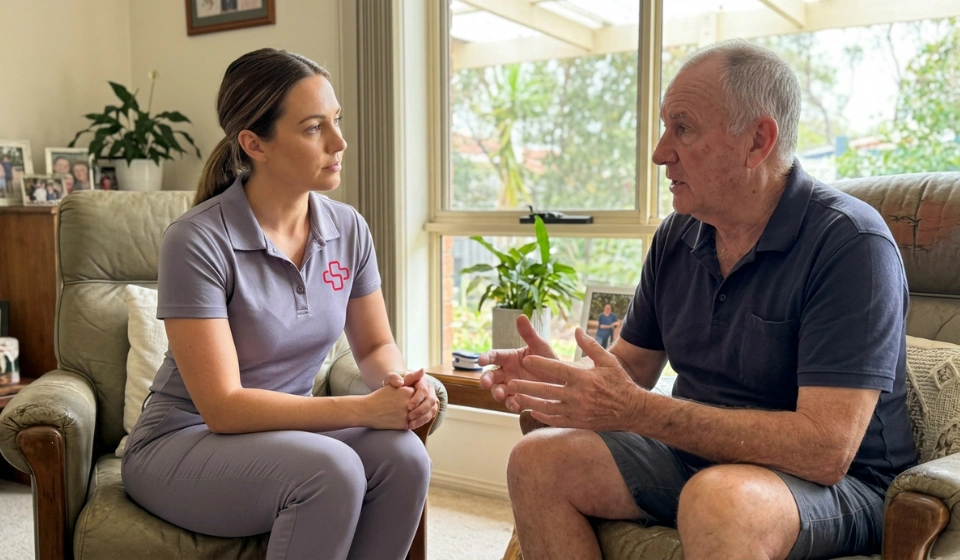
An Honest First Conversation About What To Expect
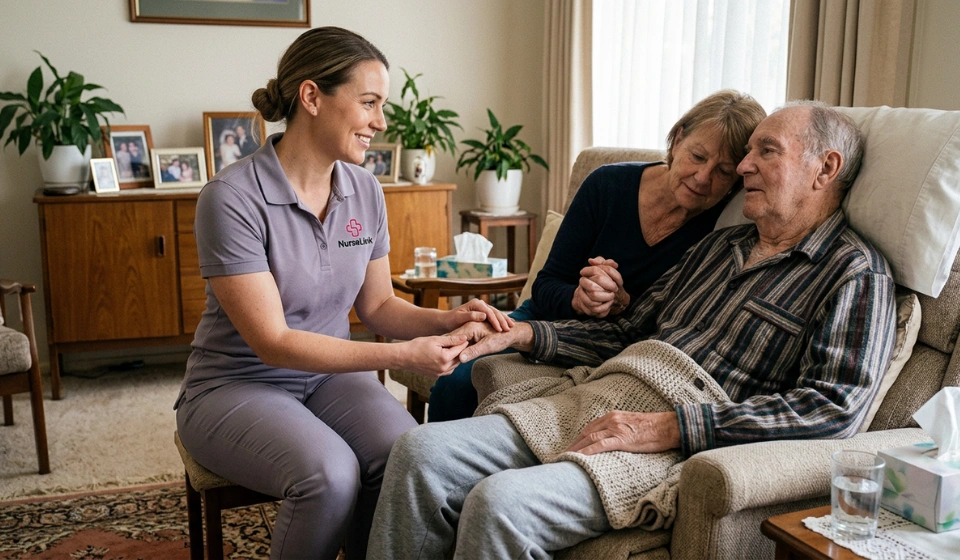
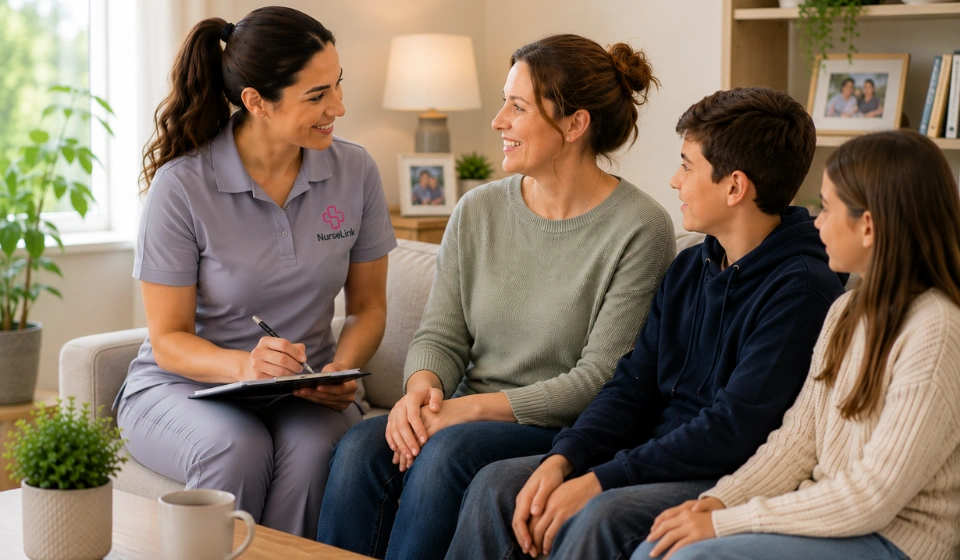
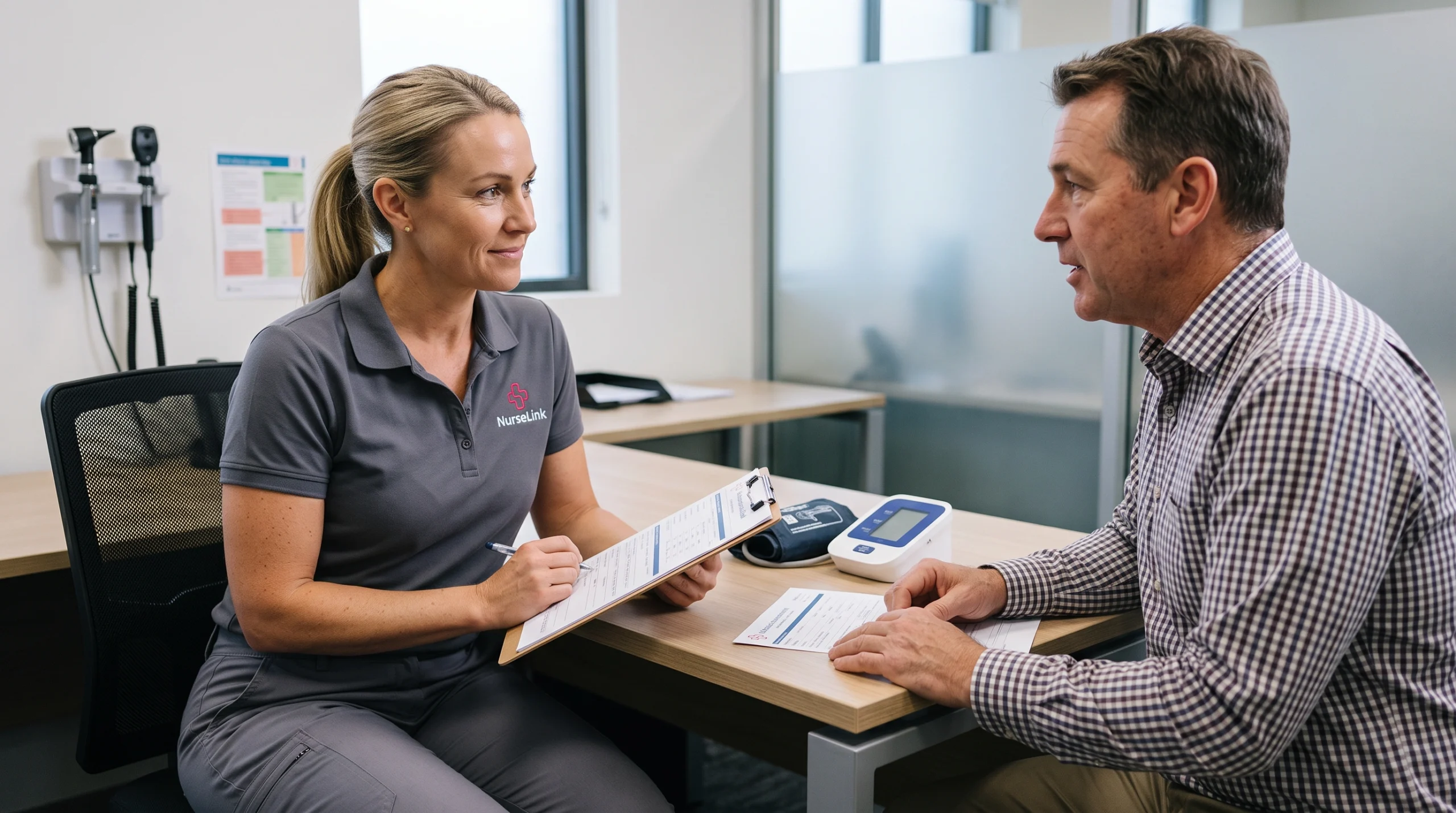
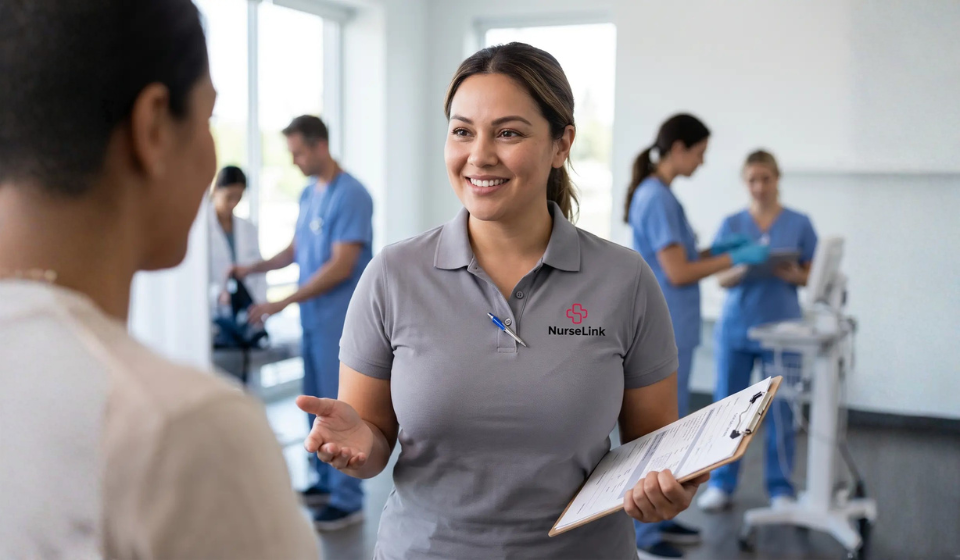
On her first visit, before turning to any clinical task, the nurse sat down with the whole family and asked what they were most afraid of. She listened, then explained, in plain language, what the coming weeks might involve, what changes were normal, what signs might suggest the time was nearer, and who they should call at any hour. She was clear about which things were her responsibility and which were the palliative care team’s, and gave the family a single written page with numbers to call.
Working Closely With The Palliative Care Team
The nurse worked under the direction of the client’s palliative care doctor and community team, communicating regularly and following the care plan they had set. When a change in his comfort needed attention, she contacted the team promptly, and the family could see that decisions were being made in partnership rather than improvised.
Taking On The Practical Load, Not The Relationships
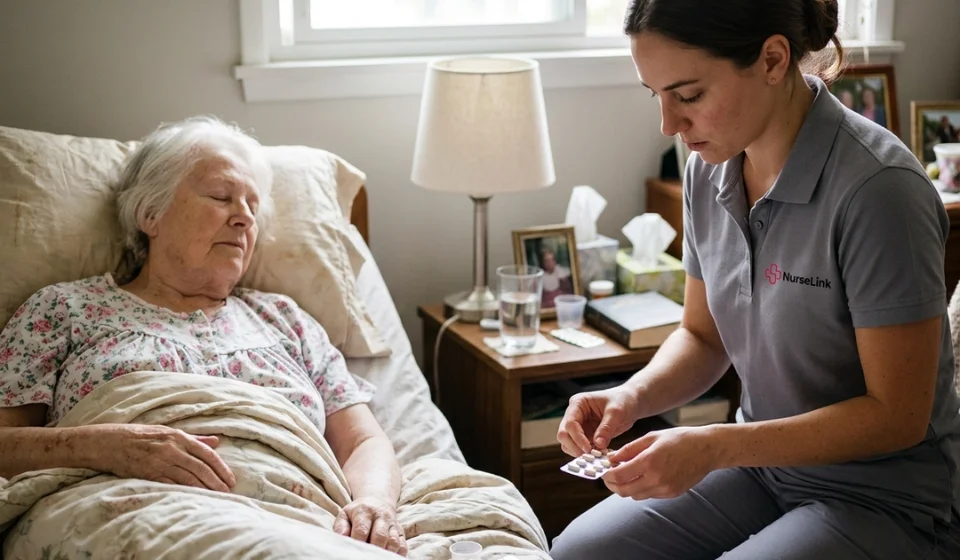
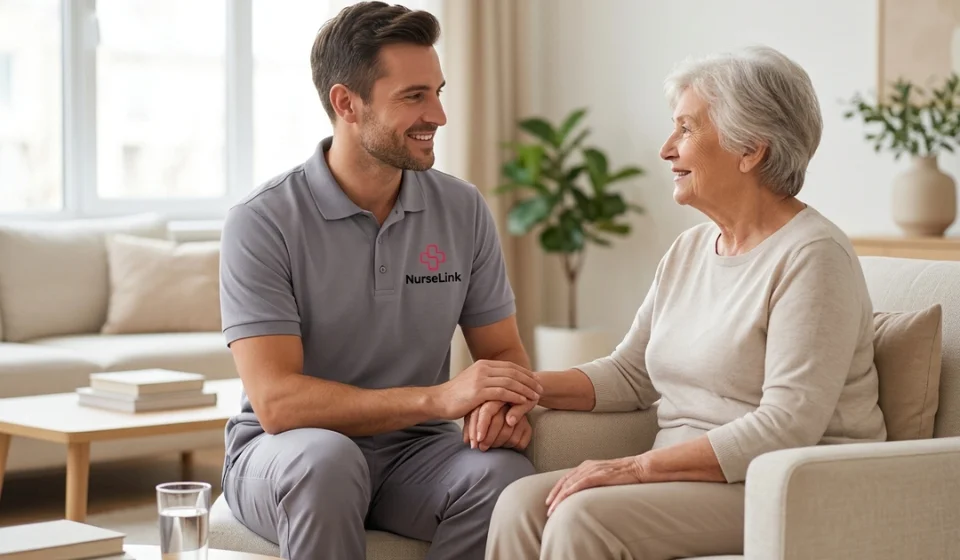
The nurse managed the clinical aspects of his daily comfort, including positioning, mouth care, skin care and the monitoring of his symptoms, in a way that left the family free to sit with him, talk to him and hold his hand. She was careful to involve them where they wanted to be involved, showing his wife how to moisten his lips and settle his pillows, and equally careful not to ask anything of them they did not want to do.
Including The Family At Every Distance
She made a point of calling his son each evening, in the early weeks, to update him in plain terms, and of arranging for him to be present, by phone or in person, at key moments. The son later said that these calls made him feel part of the care rather than a witness to it.
Including The Youngest Member Of The Family
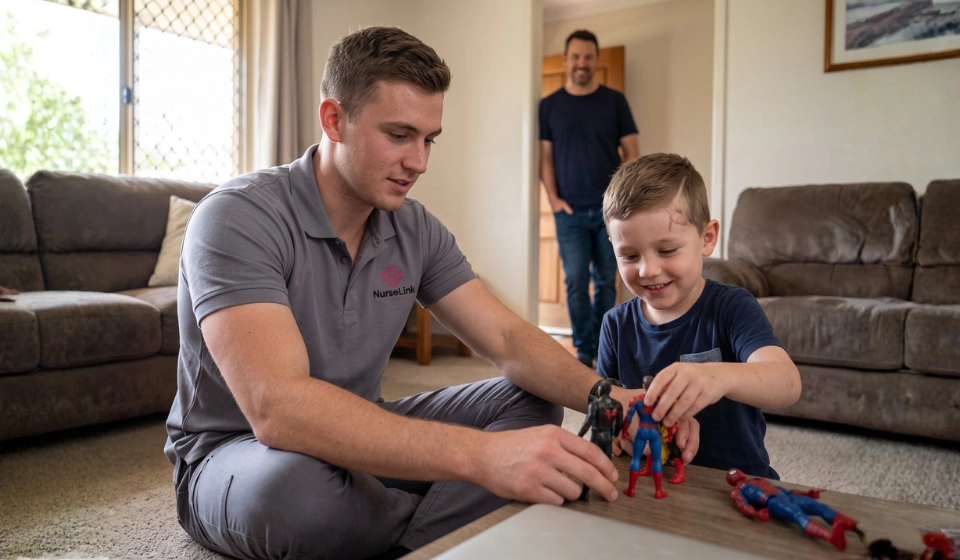
The nurse spoke with the child’s parents about how to talk to a six-year-old about what was happening, and suggested ways she could be present without being frightened. The granddaughter drew pictures for her grandfather’s room and sat on his bed reading to him in the afternoons, a routine that became one of the quiet joys of those weeks.
Being There At The End
In his final days, the nurse was present at the times the family needed her, explaining each change as it came, keeping him comfortable and making sure no one was alone. She helped the family create a calm, quiet atmosphere in the room, and when the time came, she stayed with them, steady and unhurried, until the arrangements had been made.
Outcomes & Impact
He Died At Home, As He Had Wished
Over a period of about five weeks, he remained at home, comfortable and surrounded by family. He died peacefully in his own bed, with his wife, children and the nurse present, a moment the family later described as sad but gentle.
His Comfort Was Carefully Managed
Working with the palliative care team, the nurse ensured that his symptoms were identified and addressed promptly, so that his last weeks were as comfortable as they could be. The family reported that they had never seen him distressed or in pain.
His Family Felt Prepared, Not Overwhelmed
The family later said that the honest conversations in the first week had changed everything. They had known what to expect, what to do and whom to call, and the fear that had hung over the early days had gradually given way to a sense of purpose.
His Wife Was Supported, Not Replaced
His wife described feeling, throughout, like a wife and not a caregiver. She had been able to sit beside her husband, talk to him and be with him, because someone else had taken on the weight of the practical tasks.
The Family Was Supported After He Died
In the weeks that followed, the nurse and the coordinator made contact with the family to see how they were coping, and helped connect them with bereavement support services. His wife said that this follow-up made her feel that she had not been left alone at the moment she needed support most.
A Reflection From The Client's Daughter
Several weeks after her father died, his daughter shared the following with the NurseLink Healthcare clinical coordinator:
She said that when her father first said he wanted to be at home, she had agreed instantly, and then lain awake that night wondering how on earth they would do it. What changed things for her was a nurse who sat down on the first day and asked what she was most afraid of, and then answered every question without flinching. She said the nights were the part she had dreaded most, and that having the nurse in the house meant she could sleep in the next room knowing someone who understood was awake. She added that she had spent her whole career being the person who knew what to do, and that it had been a relief to be allowed, for once, to be only a daughter. She said her father had spent his last weeks in his own bed, looking out at his own garden, with the people he loved around him, and that she would be grateful for that for the rest of her life.
Key Takeaways From This Case Study
Most families want to honour a dying person’s wish to be at home, and fear is usually what stands in the way. Honest preparation and reliable presence turn an overwhelming prospect into one a family can manage.
Palliative nursing at home is care for the whole family, not only the patient. Meeting the family’s fears, questions and need for reassurance is as important as the clinical work.
A clear written plan with numbers to call reduces anxiety in the middle of the night. Knowing exactly who to contact, and when, gave the family confidence they could act if they needed to.
Taking on the practical load allows family members to remain family. The nurse’s clinical competence freed them to be present in ways that mattered most.
Care continues after the death. Follow-up contact and links to bereavement support helped the family feel they were not left alone when the practical work was done.
Conclusion
A family afraid of failing a promise to a dying father found, through skilled and compassionate palliative nursing, that they could keep it. For the family at the centre of this case study, NurseLink Healthcare provided not only clinical care at home, but honesty, presence and the steady reassurance that let them focus on what mattered most.
He spent his last weeks in his own home, in his own room, looking out at his garden. His wife was beside him. His children were with him. And a Glen Waverley family was able to say goodbye in the way he had always wanted.
If someone you love wishes to spend their final weeks at home, we encourage you to reach out to the NurseLink Healthcare team. We will stand beside your family, at every hour, so that the promise you made can be kept.